
Introduction
The tractor brake drum is a critical component of the braking system in agricultural tractors, responsible for converting the rotational energy of the tractor into thermal energy via friction, thereby decelerating or stopping the vehicle. Positioned within the tractor's drivetrain, specifically as part of the wheel end assembly, the brake drum’s performance directly impacts operational safety and efficiency. Typically constructed from cast iron or steel alloys, the drum interfaces with brake shoes or pads actuated by hydraulic or pneumatic systems. Core performance characteristics revolve around heat dissipation capacity, wear resistance, dimensional stability under high thermal stress, and structural integrity to withstand significant mechanical loads. Modern tractor brake drums are increasingly incorporating design features focused on reducing weight without compromising braking performance, and improving corrosion resistance to extend service life in harsh agricultural environments. The industry faces ongoing challenges related to minimizing brake fade, controlling noise, vibration, and harshness (NVH), and adhering to stringent safety standards.
Material Science & Manufacturing
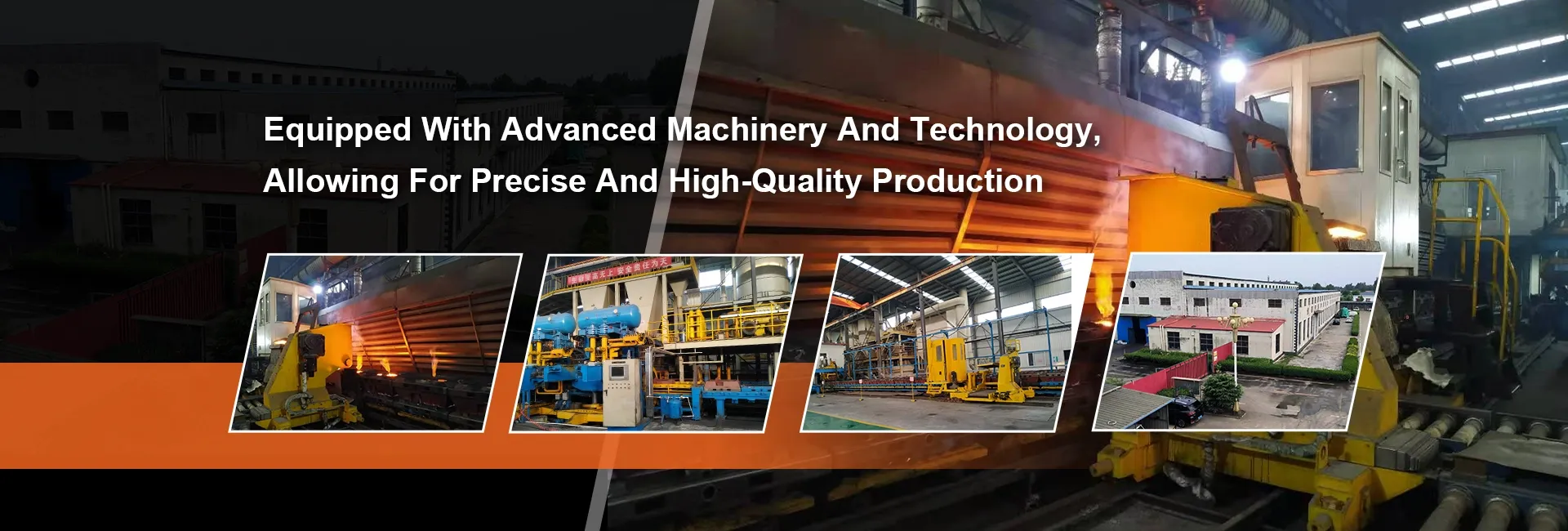
Tractor brake drums are predominantly manufactured from gray cast iron (ASTM A48 Class 30 or higher) due to its excellent thermal conductivity, wear resistance, and inherent damping properties. The composition typically includes 2.5-4.0% carbon, 1.2-2.5% silicon, 0.8-1.5% manganese, and smaller percentages of sulfur and phosphorus. Alloy steels, particularly those containing nickel, chromium, and molybdenum, are utilized in higher-performance applications demanding increased strength and heat resistance. Manufacturing processes primarily involve sand casting, although centrifugal casting is employed for producing drums with enhanced density and structural uniformity. The sand casting process involves creating a mold using a sand mixture, pouring molten metal into the mold cavity, and allowing it to solidify. Key parameter controls include melt temperature (typically 1350-1450°C for cast iron), pouring rate, sand composition (grain size, clay content, moisture levels), and cooling rate. Post-casting operations involve fettling (removing excess material), shot blasting for surface cleaning, and machining to achieve precise dimensional tolerances and surface finish. Heat treatment, such as annealing, may be implemented to relieve residual stresses and improve machinability. For steel drums, forging and subsequent machining are common, resulting in higher material density and mechanical properties but also increased manufacturing costs. Quality control focuses on chemical composition verification, non-destructive testing (NDT) for detecting internal flaws, and dimensional inspection.
Performance & Engineering
The performance of a tractor brake drum is dictated by its ability to safely dissipate the kinetic energy generated during braking. Force analysis reveals that the drum experiences significant radial and tangential stresses due to friction between the brake shoes/pads and the drum’s inner surface. Finite element analysis (FEA) is commonly used to optimize drum geometry and material distribution to minimize stress concentration and prevent premature failure. Environmental resistance is paramount, as agricultural operations expose brake drums to dust, moisture, chemicals (fertilizers, pesticides), and varying temperatures. Corrosion protection is achieved through surface coatings such as zinc plating, electrophoresis, or powder coating. Compliance requirements are defined by international standards such as ISO 2660 (Road vehicles – Braking of vehicles – Functional and geometrical definitions of wheel braking systems) and SAE J1146 (Brake Drum Standards). Brake fade, a reduction in braking performance due to overheating, is a critical concern. Design considerations to mitigate brake fade include optimizing drum fin geometry for enhanced heat dissipation, utilizing materials with high thermal conductivity, and ensuring adequate ventilation. The drum's rotational inertia also plays a role in overall braking efficiency. Furthermore, achieving low NVH levels requires careful balancing of the drum and precise machining of the braking surface to minimize variations in friction coefficient.
Technical Specifications
| Parameter | Cast Iron (Typical) | Steel Alloy (Typical) | Units |
|---|---|---|---|
| Diameter | 300-600 | 300-800 | mm |
| Width | 80-150 | 80-200 | mm |
| Material Density | 7.2-7.4 | 7.8-8.0 | g/cm³ |
| Tensile Strength | 200-300 | 500-800 | MPa |
| Hardness (Brinell) | 180-250 | 250-400 | HB |
| Thermal Conductivity | 40-50 | 30-40 | W/m·K |
Failure Mode & Maintenance
Common failure modes for tractor brake drums include thermal cracking, wear, deformation, and corrosion. Thermal cracking typically occurs due to rapid temperature fluctuations during severe braking events, leading to fatigue failure. Wear is primarily caused by abrasive action of brake shoes/pads, resulting in reduced drum thickness and decreased braking performance. Deformation can occur under excessive loading or prolonged exposure to high temperatures, leading to runout and vibration. Corrosion, particularly in environments with high humidity and exposure to corrosive chemicals, can weaken the drum material and accelerate wear. Fatigue cracking initiates at stress concentration points, such as keyways or bolt holes, and propagates under cyclic loading. Delamination can occur in drums with inadequate bonding between the friction surface and the base material. Oxidation, particularly at elevated temperatures, can alter the material’s microstructure and reduce its mechanical properties. Preventative maintenance includes regular inspection for cracks, wear, and corrosion; measurement of drum thickness to ensure it remains within specified limits; and cleaning of the braking surface to remove debris. Resurfacing of the drum may be performed to remove minor wear and restore surface finish, but exceeding the maximum allowable resurfacing limit will compromise structural integrity. Proper brake adjustment is critical to ensure even contact between the brake shoes/pads and the drum, minimizing uneven wear and maximizing braking efficiency. Lubrication of the braking mechanism, excluding the friction surfaces, is also essential for smooth operation and reduced wear.
Industry FAQ
Q: What is the impact of drum material on braking performance in wet conditions?
A: Cast iron drums exhibit lower friction coefficients when wet, potentially reducing braking effectiveness. However, the rapid heat generation during braking quickly evaporates moisture, restoring friction. Steel alloy drums are generally less affected by moisture, maintaining a more consistent friction coefficient. Surface treatments, such as specialized coatings, can also improve wet braking performance.
Q: How does drum thickness variation affect braking system NVH?
A: Non-uniform drum thickness leads to uneven friction distribution, causing brake judder and vibration. Precise machining and regular inspection to maintain consistent thickness are crucial for minimizing NVH. Runout, even small amounts, can significantly amplify vibration.
Q: What are the primary causes of brake fade in heavy-duty tractor applications?
A: Brake fade is predominantly caused by overheating of the drum and brake shoes/pads, leading to a reduction in the friction coefficient. This is exacerbated by prolonged heavy braking, high ambient temperatures, and inadequate ventilation. The selection of materials with high thermal capacity and efficient heat dissipation is critical.
Q: What is the recommended service life for a typical tractor brake drum?
A: The service life depends heavily on operating conditions and maintenance practices. A well-maintained drum can last for 5,000-10,000 hours of operation. However, regular inspection is essential. Replacement is necessary if the drum reaches its minimum allowable thickness or exhibits significant cracking or deformation.
Q: How do different fin designs influence heat dissipation in brake drums?
A: Fin designs play a critical role in convective heat transfer. Straight fins are simple to manufacture but offer limited surface area. Curved or radial fins provide increased surface area and improved airflow, enhancing heat dissipation. The optimal fin design depends on the application’s specific cooling requirements.
Conclusion
The tractor brake drum remains a fundamental component of agricultural machinery, demanding meticulous attention to material selection, manufacturing precision, and maintenance protocols. Its performance is inextricably linked to overall vehicle safety and operational efficiency. The ongoing drive for improved braking performance, reduced weight, and enhanced durability necessitates a continuous evolution of drum designs and materials, incorporating advanced technologies such as FEA and optimized thermal management strategies.
Future trends indicate a growing emphasis on composite materials and innovative cooling techniques to further enhance brake drum performance and longevity. The integration of sensor technologies for real-time monitoring of drum temperature and wear will enable predictive maintenance and prevent catastrophic failures. Adherence to stringent international standards and rigorous quality control procedures will remain paramount to ensure the reliability and safety of tractor braking systems.