
A high-spec Lightweight Electric Karting Boat illustrates the critical role of precision metallurgy in modern marine propulsion. Engineering high-speed watercraft demands structural components capable of handling high dynamic loads, torsional stress, and relentless exposure to saline environments. Industrial fabricators and marine engineers rely on specialized aerospace-grade aluminum alloys, precision CNC machining, and advanced surface treatments to deliver lightweight hulls and robust drive mounts.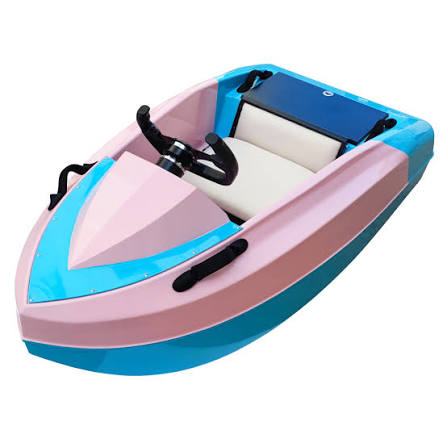
The selection of marine-grade metals, particularly 6061-T6 and 7075 aluminum alloys, forms the backbone of high-performance aquatic machinery. These materials offer an exceptional strength-to-weight ratio, ensuring that structural frames remain rigid during rapid acceleration and tight cornering maneuvers. Advanced anodizing techniques and protective powder coatings create impermeable oxide layers that prevent galvanic corrosion when submerged in seawater.
Precision Engineering and CNC Machining in Electric Propulsion
Internal propulsion assemblies require micron-level tolerances to guarantee watertight integrity and efficient torque transfer. Impeller housings, motor shafts, and heat-sink enclosures are crafted using multi-axis CNC milling machines to minimize hydrodynamic drag and mechanical vibration. These tight manufacturing tolerances reduce energy loss, directly increasing overall motor efficiency and battery endurance on the water.
Thermal management is another core engineering challenge in compact electric vessels. High-power brushless DC motors generate considerable internal heat during sustained full-throttle operations. By utilizing custom-extruded aluminum heat exchangers and liquid-cooling jackets integrated into the metal chassis, heat is efficiently transferred away from critical electronic components into the surrounding water body.
Supply Chain Standards and Global Distribution Networks
Partnering with a recognized hydrofoil electric board exporter ensures that specialized marine equipment incorporates internationally certified metals and electronic housings. Industrial components must comply with stringent structural integrity tests, battery safety certifications (such as UN38.3 and MSDS), and electromagnetic compatibility regulations (CE and FCC) to qualify for commercial deployment in global markets.
High-volume manufacturing facilities employ non-destructive testing methodologies, including ultrasonic flaw detection and X-ray inspection, to verify the internal consistency of welded joints and cast aluminum housings. This meticulous attention to structural quality prevents fatigue failures and extends operational lifespans for commercial rental fleets, resort operators, and private recreational users alike.
The Future of Sustainable Marine Engineering
The industrial shift toward electric propulsion systems represents a major milestone in reducing marine carbon footprints. Aluminum and carbon-reinforced composite structures offer complete recyclability at the end of their service life, supporting sustainable manufacturing initiatives across the global maritime industry.
In summary, the integration of advanced metal fabrication, precision CNC machining, and specialized anti-corrosion coatings drives the evolution of modern electric watercraft. As metallurgical science continues to advance, the marine recreation industry will see even lighter, stronger, and more efficient zero-emission vessels navigating waterways worldwide.