
Stainless Steel Spiral Cage Pulley designs have become a cornerstone in modern metal fabrication facilities, where high-temperature environments and abrasive materials demand components that resist wear and maintain alignment. The efficiency of any metal processing line—from coil handling to stamping, forging, or finishing—depends on seamless material flow between stages. When conveyors fail or stall, the entire production chain suffers costly downtime. This is why leading metalworking plants are rethinking their conveyor specifications, focusing on component durability and ease of maintenance.
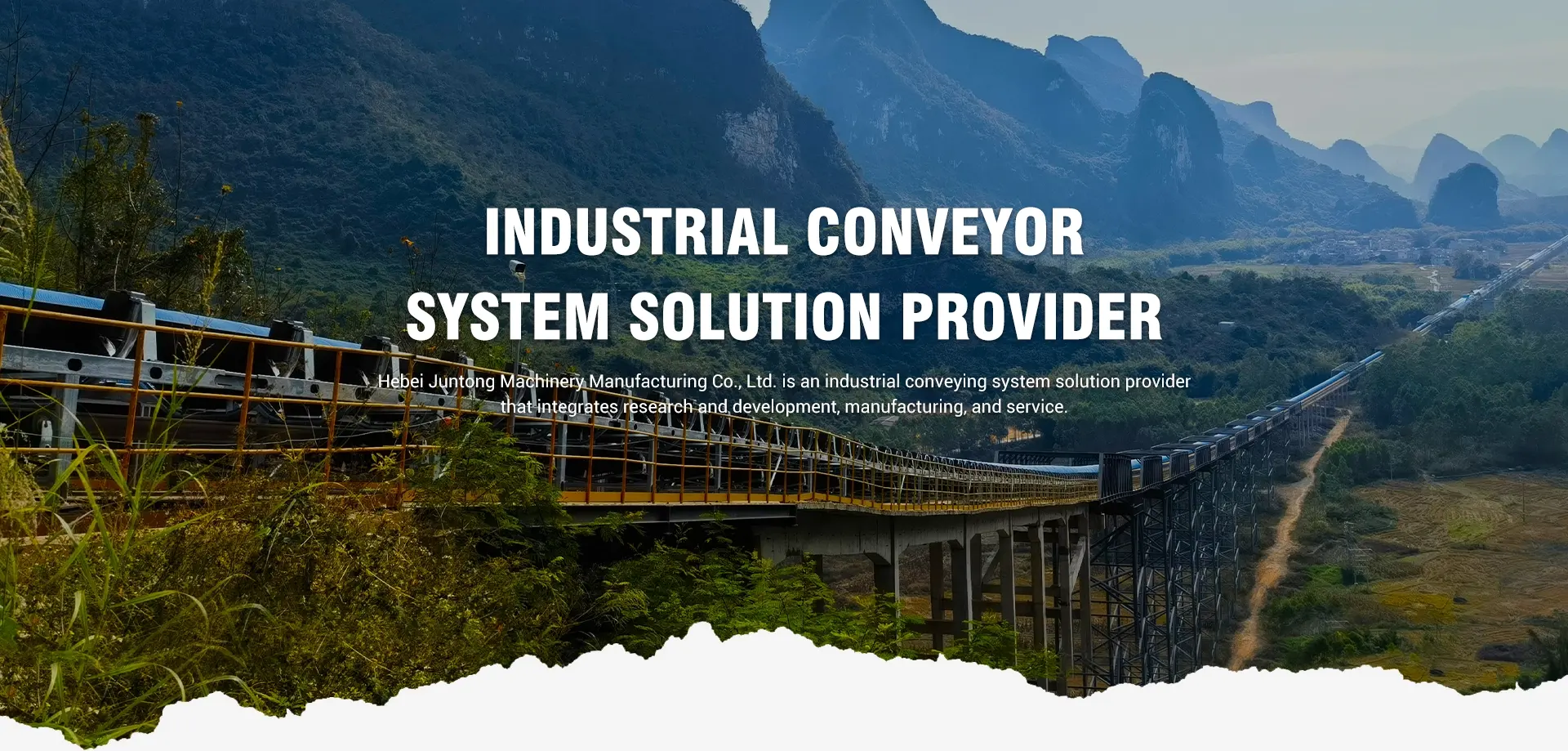
In high‑throughput stamping and forging operations, conveyor belts endure constant impact from heavy metal blanks and sharp edges. Standard idlers and pulleys quickly degrade, causing belt misalignment and premature failure. By contrast, engineered solutions like the spiral cage pulley—with its self‑cleaning action and reduced friction—substantially extend belt life and reduce unplanned stops. The Conveyor Belt itself must be chosen for its resistance to heat, oil, and cuts, often requiring a multi‑ply construction with reinforced covers.
The Hidden Costs of Inadequate Material Handling
Metal processing plants often underestimate the impact of conveyor inefficiency on overall equipment effectiveness (OEE). A single stuck roller or worn pulley can cause a cascade of problems: belt slippage, product damage, and increased energy consumption. In one documented case, a mid‑size forging facility reduced its annual maintenance costs by 18% after switching to a conveyor system with precision‑machined pulleys and impact‑resistant idlers. The key is selecting components that match the specific load profiles and environmental conditions of the line.
Critical Components for Heavy‑Duty Applications
Pulleys – Beyond Simple Cylinders
Pulleys are the heart of any belt conveyor system. In metal processing, where loads can exceed several tons per meter, the pulley must be designed with robust shaft diameters, proper crown profiles, and lagging that protects the belt. The stainless steel spiral cage pulley, for instance, offers a unique advantage: its open structure allows debris to fall through, preventing buildup that can lead to belt tracking issues. This design is particularly valuable in environments with metal chips, scale, or lubricants.
Idlers – Supporting the Belt Under Load
Idlers must be chosen for low rolling resistance and high load capacity. Steel idlers with sealed bearings are standard in heavy‑duty lines, but impact idlers with rubber rings are essential at loading points to absorb shock. Advanced idler frames allow for quick replacement, minimizing downtime during maintenance windows.
Belt Cleaners – Keeping the Material Moving
One often‑overlooked component is the belt cleaner. In metal processing, sticky residues from cutting fluids or fine metal dust can build up on the belt, causing carry‑back that accumulates under the conveyor. A properly installed primary and secondary cleaner system reduces cleaning frequency and protects the belt from premature wear.
Industry Standards and Customization Options
Global metal processing facilities often require components that comply with multiple standards—CEMA, DIN, JIS, or GB. The ability to customize dimensions, materials, and coatings is a decisive factor when selecting a conveyor component supplier. For example, a stainless steel pulley can be specified with a 304 or 316L grade, depending on corrosion resistance needs. Similarly, belt widths and thicknesses are tailored to match the line’s throughput.
Suppliers that invest in research and development, such as those with in‑house labs and partnerships with technical universities, can offer components that improve energy efficiency by 10–15% through optimized idler geometry and lightweight pulley designs. These innovations reduce the motor power required and lower the carbon footprint of the plant.
Quality Assurance as a Performance Driver
Certifications like ISO 9001, CE, and SGS are not just badges—they reflect a manufacturer’s ability to deliver consistent quality. In metal processing, where a single defective component can halt a multi‑million‑dollar line, traceability and testing are paramount. Suppliers that conduct full‑process quality control—from raw material inspection to final assembly—provide peace of mind. Many leading facilities now require component suppliers to provide dimensional reports, material certificates, and dynamic balancing data for pulleys operating above 300 RPM.
Future Trends in Conveyor Technology for Metal Processing
The industry is moving toward intelligent conveyor systems that monitor belt tension, temperature, and vibration in real time. Predictive maintenance algorithms can alert operators before a bearing fails or a pulley cracks. While these systems are still emerging, the foundation remains the physical components—the pulleys, idlers, belts, and cleaners—that must be engineered to withstand the rigors of daily metal processing. Investing in high‑quality components today lays the groundwork for tomorrow’s digital factory.
In conclusion, the choice of conveyor components directly influences the profitability and reliability of a metal processing operation. By focusing on robust designs, compliance with global standards, and customization capabilities, plant managers can achieve the uptime and throughput necessary to compete in a demanding market. Whether upgrading an existing line or designing a new facility, careful attention to pulleys, belts, and idlers will pay dividends for years to come.