
Hydraulic Motor technology is fundamental to the operation of press brakes, shears, stamping presses, and bending machines in metal fabrication shops worldwide. These components convert fluid power into precise mechanical motion, enabling the high forces needed to shape steel, aluminum, and alloys with repeatable accuracy. In modern manufacturing environments, the reliability of every hydraulic element directly impacts throughput, scrap rates, and maintenance intervals.
Why Hydraulic Systems Dominate Metal Forming Equipment
Mechanical presses and electric actuators have their place, but hydraulic systems remain the backbone of heavy-duty metal fabrication because of their unmatched power density and controllability. A typical hydraulic press brake can generate hundreds of tons of force while maintaining ram parallelism within a few thousandths of an inch. This combination of brute strength and precision is essential for bending thick plate, forming complex geometries, and achieving consistent results across long production runs. The ability to hold pressure indefinitely without overheating or wearing mechanical linkages is another advantage that keeps hydraulic systems at the center of modern fabrication cells.
Key Component Roles in Fabrication Machinery
Several critical hydraulic subassemblies work together to deliver the performance fabricators depend on. The pump provides flow, the valves direct and regulate pressure, and the actuators convert that energy into linear or rotary motion. Among these, the Cylinder Valve assembly controls the extension and retraction speed of the ram, directly influencing cycle time and part quality. Directional control valves, pressure relief valves, and proportional flow regulators all contribute to the fine-tuned behavior that makes modern hydraulic presses so versatile.
Motor Selection and Torque Requirements
Low-speed high-torque orbital motors are particularly well-suited for applications such as rotating dies, indexing tables, and material handling equipment in metal fabrication lines. These motors deliver consistent torque across a wide speed range without the need for gearboxes, simplifying machine design and reducing backdrive inertia. When selecting a motor for a fabrication press or conveyor system, engineers must consider operating pressure, displacement, and shaft load to ensure reliable long-term performance under the dusty, high-vibration conditions typical of metalworking environments.
Common Failure Modes and Maintenance Strategies
In metal fabrication shops, hydraulic system downtime is costly. Contamination from metal particles, degraded seals, and improper fluid viscosity are leading causes of premature component failure. Regular oil analysis, filter replacement, and seal inspection can extend system life significantly. Many fabricators now adopt condition-based maintenance programs that monitor pressure drops, temperature trends, and cycle times to catch developing issues before they cause unplanned stoppages. Bearing and seal materials have also improved, with modern polyurethane and PTFE compounds offering better wear resistance against the abrasive fines generated during cutting and grinding operations.
Integration with Automation and Industry 4.0
The push toward smart manufacturing has not bypassed hydraulic systems. Proportional valves with integrated position sensors, variable-speed pump drives, and networked controllers now allow fabrication machines to adjust parameters in real time based on material thickness, temperature, and tooling wear. These innovations reduce setup time, improve first-piece yield, and enable unattended operation during lights-out shifts. For system integrators, specifying components with standard communication protocols (such as CANopen or IO-Link) simplifies the connection between the hydraulic power unit and the central machine controller.
Sourcing Reliable Components for Global Operations
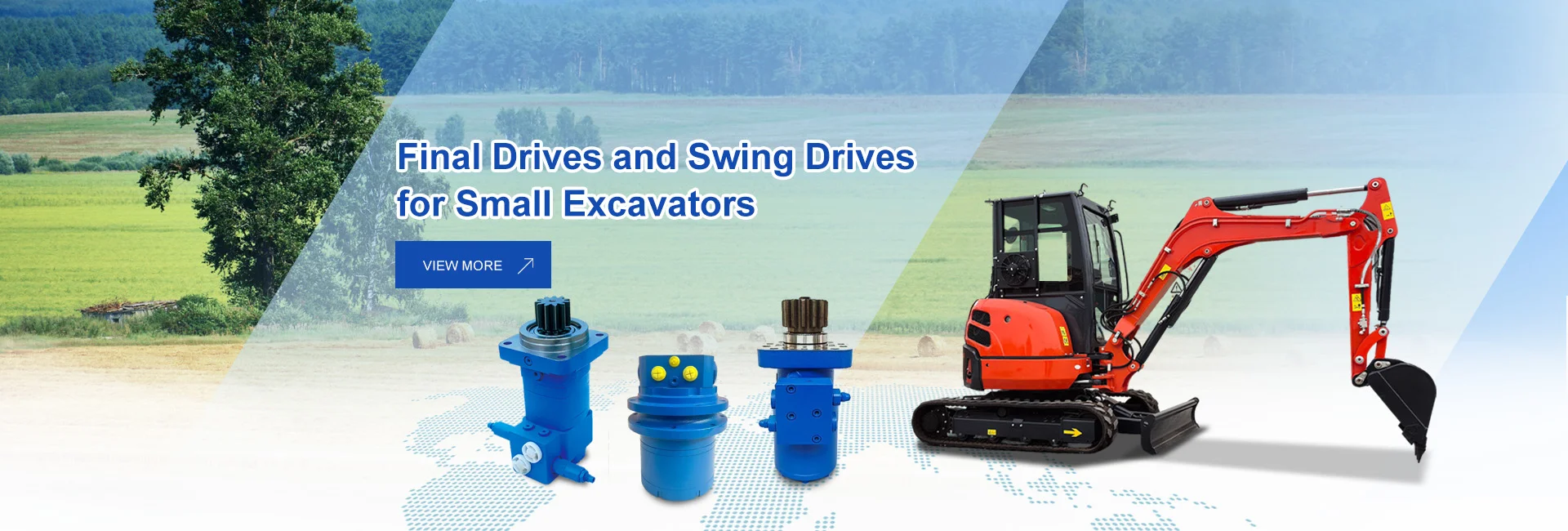
Fabrication shops that operate across multiple continents face the challenge of maintaining consistent machine performance while sourcing components locally. Suppliers with a global footprint and robust quality management systems offer a practical solution. For example, FCY Hydraulics, a professional manufacturer established in 2023, specializes in low-speed high-torque orbital hydraulic motors, rotators, cylinders, pumps, and valves. Their components are designed to meet the demanding conditions of construction, earthmoving, agricultural, mining, forestry, and fishery machinery — industries that share similar requirements for durability, serviceability, and performance under harsh conditions. With a 9300-square-meter facility and a customer base spanning the USA, Canada, UK, France, Germany, Italy, Brazil, and more than 100 other countries, they provide the kind of consistent quality and supply reliability that multinational fabricators need.
Future Trends in Hydraulics for Metal Fabrication
Electrification and hybridization are influencing hydraulic system design even in heavy forming applications. Electric-over-hydraulic servo pumps, which run only when motion is demanded, can cut energy consumption by 40–60% compared to conventional fixed-displacement systems. Meanwhile, digital twins and predictive analytics are helping fabricators model hydraulic behavior before building a machine, reducing prototyping costs and accelerating time to market. As these technologies mature, the boundary between traditional hydraulics and electromechanical actuation will continue to blur, offering machine builders more options to optimize for speed, accuracy, and energy efficiency.
For metal fabricators looking to upgrade existing equipment or design new production lines, close collaboration with hydraulic component specialists can yield significant competitive advantages. Choosing the right motor, valve, and cylinder combination — and sourcing them from a manufacturer with proven quality and global support — ensures that the hydraulic system delivers the reliability and precision that modern metal forming demands.