
High-quality wrought iron garden art demands far more than just visionary aesthetic design; it requires absolute metallurgical precision. When installing large-scale metal sculptures or architectural focal points in outdoor environments, the primary concern shifts from visual appeal to environmental endurance. Landscape architects and installation artists must collaborate closely with material scientists to ensure that heavy ornamental pieces can withstand decades of elemental exposure without losing their fundamental structural integrity.
The Science of Surface Protection and Patina
Raw iron and heavy steel possess immense tensile strength, but their natural vulnerability to oxidation necessitates sophisticated surface treatments. Depending on the environmental context, outdoor metal installations are typically finished with either a rust-inhibiting multi-layer powder coat or allowed to develop a carefully controlled, natural patina. In coastal or highly humid environments, galvanic corrosion can rapidly degrade structural joints and foundational welds. Therefore, selecting the correct alloy composition is paramount for long-term stability.
Furthermore, the sheer physical weight of these metallic art pieces dictates a highly robust anchoring strategy. Ground-level installations often require deep concrete footings to prevent any shifting due to soil erosion or winter frost heave. The delicate balance between maintaining an elegant artistic silhouette and engineering a storm-proof foundation is a true testament to the complex nature of modern landscape metalwork.
Kinetic Architecture and Mechanical Integration
Beyond static sculptures, contemporary landscape design frequently incorporates kinetic elements—moving architectural features, retractable shading systems, and suspended botanical displays. These dynamic installations introduce friction and dynamic load-bearing challenges that static objects simply do not face. The safe movement of heavy metal components requires industrial-grade mechanical support to operate safely, silently, and efficiently without posing a risk to bystanders.
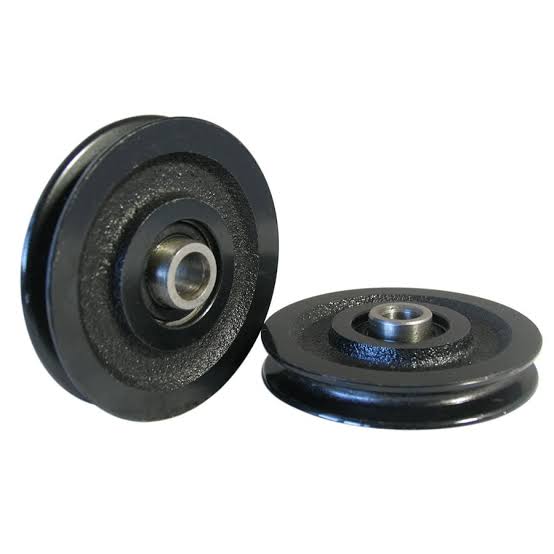
Integrating these kinetic features effectively relies entirely on the underlying hardware sourced from a high-quality provider. Whether it is a suspended metal canopy or a massive rotating outdoor sculpture, utilizing a precision-engineered heavy duty pulley is crucial for managing the complex distribution of weight. A premium manufacturer understands that these hidden mechanical components act as the true backbone of kinetic architecture, ensuring flawlessly smooth operation and eliminating the severe risks associated with mechanical fatigue in heavy outdoor environments.