
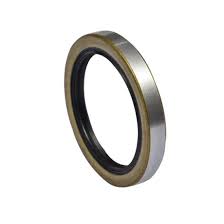
Utilizing premium metal cased oil seals safeguards industrial machinery against catastrophic fluid leaks and thermal degradation during intense processing cycles.
Heavy metallurgical processing and metal fabrication rely on machinery operating under some of the most aggressive physical conditions in modern industry. Continuous casting lines, hot rolling mills, and automated stamping presses subject mechanical components to extreme mechanical loads, thermal spiking, and incessant particulate contamination. Within these complex systems, maintaining mechanical integrity and operational efficiency depends not only on heavy structural alloys but also on the precision engineering of critical sub-assemblies that protect bearing housings and rotary shafts.
As metal processing technologies advance toward higher speeds and greater continuous throughput, tribological efficiency becomes a core operational metric. Unplanned downtime caused by hydraulic pressure failure or premature bearing wear directly impacts profitability and metallurgical precision. Understanding the micro-mechanisms of dynamic sealing, thermal dissipation, and material interaction inside heavy-duty machinery is therefore crucial for plant engineers and equipment designers working at the cutting edge of industrial metalworking.
Thermal Dynamics and Fluid Retention in Metallurgical Machinery
In heavy metal processing, heat transfer across mechanical interfaces presents a persistent engineering hurdle. Bearings and rotating shafts operating adjacent to molten metal handling units or high-friction cold reduction mills generate substantial friction, pushing local temperatures well beyond standard operating limits. Fluid lubricants must be retained under these elevated thermal states to prevent metal-to-metal contact, surface scoring, and eventual shaft seizure.
Standard elastomeric barriers frequently experience accelerated vulcanization and embrittlement under continuous heat exposure, losing their elasticity and sealing force. To counteract this degradation, advanced metallurgical operations integrate specialized elastomeric formulations such as Fluoroelastomer (FKM) and Hydrogenated Nitrile (HNBR). These high-performance polymers maintain cross-linking stability at elevated temperatures, ensuring that rotational shaft contact is preserved with consistent radial forces even under violent operational surges.
Mitigating Particulate Contamination in High-Scale Abrasive Environments
Metal processing plants are inherently high-particulate environments. Mill scale, airborne metal dust, and abrasive grinding debris continuously threaten mechanical assemblies by penetrating internal lubrication channels. Once abrasive particulates bridge the sealing interface, they cause rapid shaft grooving, fluid contamination, and accelerated bearing destruction.
Effective defense requires multi-lip sealing geometry featuring secondary dust exclusion lips designed to deflect incoming particulates. Furthermore, the structural rigidity of the seal outer shell plays a pivotal role in preventing structural distortion when press-fitted into heavy-duty housings. A high-rigidity metallic outer case guarantees precise alignment and uniform radial tension, preserving the micro-lubrication film necessary to minimize friction while blocking foreign contaminant ingress.
Hydraulic Pressure Management under Extreme Dynamic Loads
Hydraulic actuators and fluid circulation loops in heavy forging and rolling equipment operate under intense pulsation. Sudden hydraulic spikes can induce lip lift or physical extrusion of conventional fluid barriers, resulting in severe environmental hazards and immediate equipment shutdown. Modern hydraulic design mandates continuous resistance against severe pressure fluctuations without sacrificing high-speed rotational capability.
To overcome these structural stresses, heavy equipment operators rely on specialized high pressure oil seals engineered with reinforced support rings and finite-element-optimized spring-loaded lip profiles. By partnering with a recognized premium manufacturer specializing in precision elastomeric and metallic containment, heavy industry plants ensure that hydraulic circuits maintain absolute pressure retention and operational continuity under maximum throughput demands.
The Future of High-Efficiency Heavy Industrial Operations
As the global metal fabrication sector transitions toward higher automation and stringent environmental compliance, component-level reliability takes precedence over reactive maintenance. Optimizing fluid retention, upgrading elastomeric chemistry, and implementing high-rigidity mechanical barriers ensure that metal processing infrastructure operates at peak thermodynamic efficiency. Investing in engineered containment solutions remains the definitive strategy for extending machinery service life and eliminating costly unscheduled operational stoppages.