
Introduction
Drum brakes, while increasingly superseded by disc brake systems in many automotive applications, remain prevalent in commercial vehicles, parking brakes, and rear axle applications due to their cost-effectiveness and self-energizing characteristics. Repairing drum brakes represents a significant portion of vehicle maintenance expenditure, particularly in fleet operations. This guide details the technical aspects of drum brake repair, encompassing material properties, manufacturing considerations, performance parameters, failure modes, and applicable industry standards. The core performance of a drum brake system is defined by its stopping power (torque output), fade resistance (maintained performance under heat), and durability. Effective repair necessitates a thorough understanding of these factors to ensure safe and reliable operation. Industry pain points revolve around accurately diagnosing wear patterns, selecting appropriate friction materials, and achieving consistent brake balance after service.
Material Science & Manufacturing
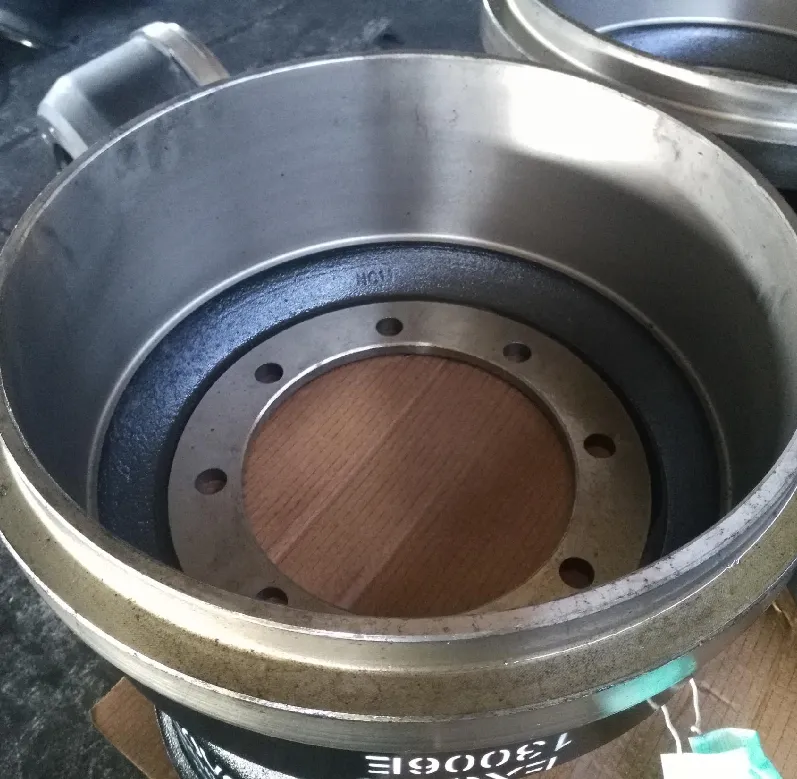
Drum brake components are typically manufactured from grey cast iron, offering excellent heat dissipation and wear resistance. The specific grade of cast iron (e.g., ASTM A48 Class 30) dictates tensile strength, hardness, and thermal conductivity. Brake shoes utilize friction materials bonded to a steel core. These materials commonly consist of woven or sintered organic compounds, semi-metallic formulations, or non-asbestos organic (NAO) materials. The choice of friction material impacts the coefficient of friction, wear rate, and noise characteristics. Manufacturing of the drum itself involves casting, followed by machining operations to achieve precise internal diameters and surface finishes. Critical parameters during drum machining include concentricity and surface roughness; deviations can induce brake squeal or uneven wear. Brake shoe cores are typically stamped from mild steel, with subsequent bonding of the friction material under high pressure and temperature. The bonding process must ensure uniform adhesion to prevent delamination. Quality control during manufacturing emphasizes dimensional accuracy, material composition verification, and non-destructive testing (NDT) such as ultrasonic inspection to identify internal flaws in the drum casting.

Performance & Engineering
The performance of a drum brake is fundamentally governed by the principles of friction and leverage. The brake shoe, when pressed against the rotating drum, generates frictional force, converting kinetic energy into thermal energy. The self-energizing effect, inherent in drum brake design, amplifies the braking force. This effect arises from the leading shoe experiencing a greater frictional force due to the drum’s rotation. Engineering analysis involves calculating braking torque based on the coefficient of friction, contact area, and lever arm. Heat dissipation is a critical performance parameter; excessive heat buildup leads to brake fade – a reduction in braking efficiency. Ventilation within the drum, and the thermal conductivity of the cast iron, contribute to heat management. Compliance with regulatory standards, such as FMVSS 105 in the United States and ECE Regulation 13 in Europe, dictates minimum braking performance requirements and fade resistance criteria. Finite Element Analysis (FEA) is employed to optimize brake shoe design and drum geometry to minimize stress concentrations and ensure structural integrity under load. Spring rates within the automatic adjuster mechanism are also key parameters that affect brake responsiveness and stroke length.
Technical Specifications
| Drum Diameter (in) | Drum Width (in) | Friction Material Type | Coefficient of Friction (μ) |
|---|---|---|---|
| 10 | 2.5 | NAO (Non-Asbestos Organic) | 0.35 – 0.45 |
| 11 | 3.0 | Semi-Metallic | 0.40 – 0.55 |
| 12 | 2.75 | Woven Organic | 0.25 – 0.35 |
| 13 | 3.5 | NAO (High Performance) | 0.50 – 0.60 |
| 14 | 3.0 | Semi-Metallic (Heavy Duty) | 0.55 – 0.65 |
| 8 | 2.0 | Organic | 0.20 – 0.30 |
Failure Mode & Maintenance
Common drum brake failure modes include brake shoe wear, drum scoring, wheel cylinder leakage, and adjuster mechanism malfunction. Brake shoe wear occurs due to abrasive action between the friction material and the drum surface. Uneven wear patterns can indicate issues such as sticking pistons or misaligned brake shoes. Drum scoring, characterized by deep grooves on the inner drum surface, typically results from abrasive particles embedded in the friction material or prolonged operation with worn brake shoes. Wheel cylinder leakage, caused by deteriorated seals, leads to reduced braking force and potential fluid contamination. Adjuster mechanism failure prevents proper brake shoe adjustment, resulting in excessive pedal travel and reduced braking effectiveness. Preventive maintenance includes regular inspection of brake shoe thickness, drum surface condition, wheel cylinder seals, and adjuster mechanism function. Resurfacing the drum, within specified limits, can restore its original geometry. Replacing worn brake shoes, wheel cylinders, and adjusting mechanisms is essential for maintaining optimal braking performance. Proper lubrication of moving parts, such as the adjuster screw, prevents corrosion and ensures smooth operation. Routine bleeding of the brake system removes air bubbles and maintains hydraulic pressure.
Industry FAQ
Q: What is the acceptable limit for drum out-of-roundness during a brake repair?
A: The acceptable limit for drum out-of-roundness is typically 0.005 inches (0.13 mm). Exceeding this limit can cause brake pulsation, noise, and uneven pad wear. Resurfacing or replacement of the drum is required if the out-of-roundness exceeds this specification.
Q: How do you diagnose the root cause of brake squeal in a drum brake system?
A: Brake squeal can be caused by several factors, including glazing of the friction material, corrosion on the drum surface, loose or missing hardware, or improper brake shoe adjustment. A thorough inspection, including visual examination of the friction surfaces and hardware, is crucial for identifying the source of the noise.
Q: What is the correct procedure for adjusting drum brakes after a shoe replacement?
A: The automatic adjuster should engage during several braking applications. However, manual adjustment may be necessary. Loosen the adjuster until the shoes contact the drum, then slowly tighten the adjuster until a slight drag is felt when rotating the drum by hand. Avoid over-tightening, which can cause overheating and premature wear.
Q: What are the potential consequences of using incompatible friction materials in a drum brake system?
A: Using incompatible friction materials can lead to uneven wear, reduced braking performance, and increased noise. The coefficient of friction between the shoes and the drum must be matched to ensure optimal braking force and fade resistance. Always use friction materials specifically designed for the vehicle and brake system.
Q: What are the signs of a failing wheel cylinder in a drum brake system?
A: Signs of a failing wheel cylinder include a soft or spongy brake pedal, brake fluid leakage around the cylinder, and uneven braking force. A leaking wheel cylinder must be replaced immediately to prevent complete brake failure.
Conclusion
Effective drum brake repair requires a comprehensive understanding of material science, manufacturing processes, and performance characteristics. Precise measurement, accurate diagnosis of failure modes, and adherence to industry standards are paramount for ensuring safe and reliable operation. Ignoring seemingly minor issues, such as worn adjusters or glazed friction surfaces, can lead to accelerated wear and reduced braking efficiency.
Looking ahead, advancements in friction material technology and braking system design are focused on improving fade resistance, reducing noise, and extending service life. Implementation of advanced diagnostic tools, such as thermal imaging and vibration analysis, will further enhance the precision and effectiveness of drum brake repair procedures. Continued adherence to established maintenance protocols remains the cornerstone of safe and dependable braking performance.