
Introduction
Hot rod front drum brakes represent a significant historical element in automotive braking technology, transitioning from the predominant stopping system to a niche application largely driven by aesthetic considerations and adherence to original vehicle specifications. While disc brakes have demonstrably superior performance characteristics – particularly regarding heat dissipation and fade resistance – drum brakes remain prevalent in restorations and builds prioritizing period correctness. This guide provides an in-depth technical analysis of hot rod front drum brakes, encompassing material science, manufacturing processes, performance engineering, failure modes, maintenance procedures, and relevant industry standards. The core challenges facing hot rod builders employing drum brakes involve mitigating their inherent limitations in modern driving conditions, focusing on maximizing friction coefficient, ensuring consistent brake force distribution, and preventing thermal expansion-induced issues like brake fade. A thorough understanding of these factors is critical for safe and reliable operation.
Material Science & Manufacturing
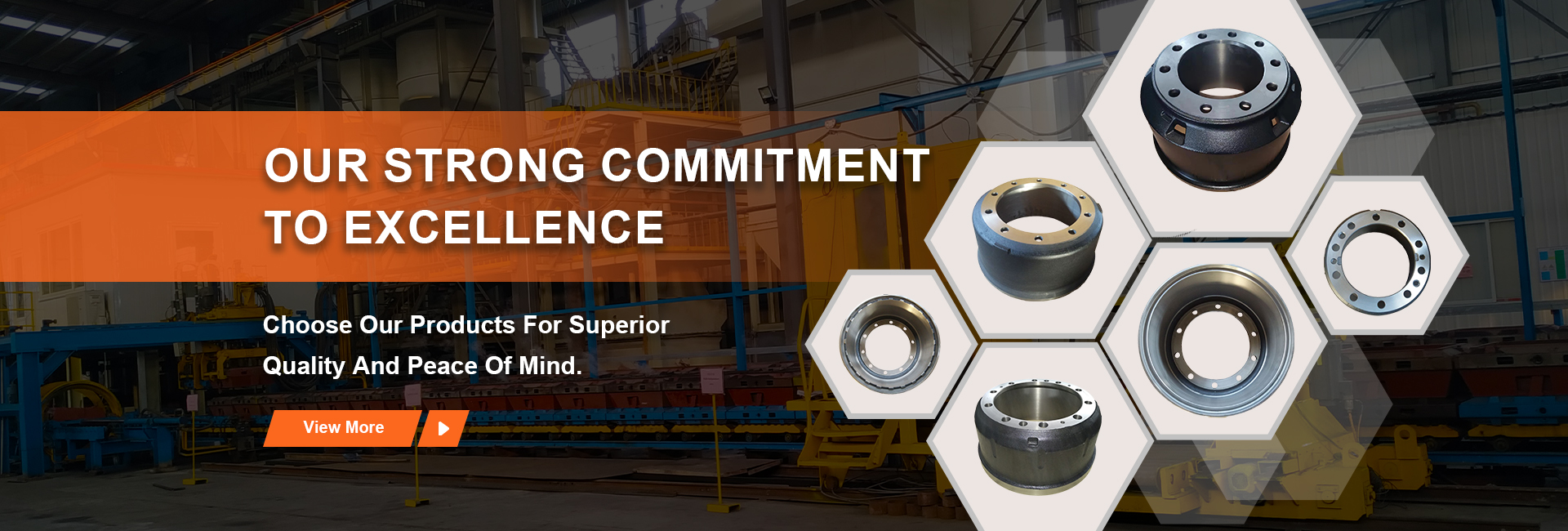
The primary materials in hot rod front drum brake systems consist of cast iron for the brake drum and shoes, steel alloys for the backing plates and various hardware, and friction materials (linings) bonded to the brake shoes. Cast iron, typically gray cast iron (ASTM A48 Class 30), is selected for its high thermal conductivity and wear resistance. However, it’s inherently brittle and susceptible to cracking under thermal stress. Manufacturing of the drums historically involved sand casting, though centrifugal casting is now often employed for improved structural integrity and reduced porosity. Brake shoes are manufactured from steel stampings, providing a rigid base for the friction material. These friction materials traditionally consist of woven asbestos (now largely replaced due to health concerns) or organic non-asbestos organic (NOA) compounds incorporating phenolic resins, carbon fibers, and friction modifiers. Modern formulations utilize semi-metallic compounds for increased friction coefficients and improved heat dissipation. The bonding process between the friction material and the shoe is critical; it typically involves high-temperature vulcanization or adhesive bonding, requiring precise control of pressure, temperature, and curing time. Backing plates, often constructed from mild steel, undergo stamping and welding processes to achieve the necessary shape and mounting provisions. Quality control focuses on dimensional accuracy, material composition verification (through spectroscopic analysis), and bond strength testing of the friction material.
Performance & Engineering
The performance of hot rod front drum brakes is fundamentally governed by the principles of friction and thermal dynamics. Brake force is generated by the friction between the brake shoes and the rotating drum. The maximum achievable brake torque is directly proportional to the friction coefficient of the lining material, the radius of the drum, and the normal force applied by the wheel cylinder. Engineering considerations center around maximizing these parameters while mitigating the inherent limitations of the system. A key concern is thermal expansion. As the drum heats up during braking, it expands radially, reducing the clearance between the shoes and the drum. This can lead to increased friction but also to brake fade – a reduction in braking effectiveness due to the loss of friction coefficient at elevated temperatures. Proper drum sizing and ventilation (e.g., utilizing drums with cooling fins) are crucial for managing heat build-up. Furthermore, brake systems must be engineered to account for weight transfer during braking. Due to the vehicle’s dynamic load and the system’s inherent susceptibility to thermal gradients, consistent brake force distribution is challenging to achieve. Adjustments to hydraulic pressure and shoe geometry are critical to ensuring balanced braking performance across both wheels. Force analysis necessitates consideration of the mechanical advantage provided by the wheel cylinder and the leverage ratios within the braking linkage.
Technical Specifications
| Parameter | Typical Value (1950s-1960s Cars) | High-Performance Upgrade | Units |
|---|---|---|---|
| Drum Diameter | 10 - 12 | 12.5 - 13 | Inches |
| Drum Width | 1.5 - 2 | 2 - 2.5 | Inches |
| Friction Material Coefficient | 0.25 - 0.35 | 0.40 - 0.50 | Dimensionless |
| Wheel Cylinder Bore Diameter | 0.75 - 1 | 1.125 - 1.25 | Inches |
| Effective Braking Area (per wheel) | 100 - 150 | 180 - 220 | Square Inches |
| Maximum Operating Temperature | 350 | 450 | °F |
Failure Mode & Maintenance
Hot rod front drum brakes are susceptible to several failure modes. Brake fade, as previously discussed, is a common issue, particularly during extended or aggressive braking. This is a result of the friction material losing its coefficient of friction due to excessive heat. Cracking of the brake drums is another potential failure, often stemming from thermal stress and material defects. Wheel cylinder leaks are frequent, leading to reduced braking pressure and potential hydraulic fluid contamination. Brake shoe delamination – the separation of the friction material from the shoe – is often caused by improper bonding or excessive wear. Contamination of the friction surface with oil, grease, or brake fluid significantly reduces braking effectiveness. Regular maintenance is crucial for preventing these failures. This includes periodic inspection of the drums for cracks and wear, inspection and bleeding of the brake lines and wheel cylinders, ensuring proper adjustment of the brake shoes, and regularly cleaning and inspecting the friction surfaces. Preventative maintenance should also involve ensuring proper lubrication of all moving parts. Failure analysis often reveals root causes related to improper installation, inadequate maintenance, or the use of substandard replacement parts. When diagnosing issues, it’s essential to examine all components for signs of wear, damage, or contamination.
Industry FAQ
Q: What is the primary difference between a single-leading-shoe and a duo-servo brake design, and which is better suited for hot rod applications?
A: Single-leading-shoe brakes have one shoe leading and one trailing, offering simpler self-energization. Duo-servo brakes have both shoes leading, providing significantly higher self-energization (and thus greater stopping power) but also increased sensitivity to temperature changes and potential for grabbing. For hot rods, a well-maintained single-leading-shoe design is generally preferred for its predictability and ease of adjustment. Duo-servo designs can be made to work but require precise tuning and are more prone to issues in high-performance scenarios.
Q: How can I mitigate brake fade in a hot rod equipped with drum brakes?
A: Mitigating fade involves several strategies. Upgrading to drums with cooling fins or larger diameters enhances heat dissipation. Using high-performance friction materials with higher fade resistance is crucial. Properly adjusting the brakes to ensure even contact between the shoes and the drum is essential. Bleeding the brake system regularly to remove air bubbles prevents hydraulic lockup and maintains consistent pressure. Additionally, consider incorporating a proportioning valve to regulate pressure to the rear brakes, optimizing brake balance.
Q: What is the recommended procedure for adjusting drum brakes on a hot rod?
A: Adjusting drum brakes involves accessing the adjustment star wheel (usually through an inspection port on the backing plate). Rotate the wheel until the shoes are snug against the drum, allowing the wheel to rotate freely by hand with slight drag. Over-adjustment can lead to constant rubbing and premature wear; under-adjustment results in reduced braking effectiveness. After adjustment, test the brakes thoroughly.
Q: Are there modern aftermarket options to improve the performance of traditional drum brakes?
A: Yes, several aftermarket options exist. These include upgraded friction materials, self-adjusting wheel cylinders, improved backing plates with better heat dissipation, and even aluminum drum alternatives (though these are typically for aesthetic purposes and offer minimal performance gains). Modern lining materials designed to work within the constraints of the drum brake system represent the most significant performance improvement.
Q: What are the limitations of using drum brakes on a heavily modified hot rod with increased horsepower and weight?
A: Increased horsepower and weight significantly exacerbate the limitations of drum brakes. The higher speeds and greater stopping distances require more energy dissipation, which drum brakes struggle to provide. The increased weight puts more stress on the braking system, increasing the risk of fade and component failure. In such scenarios, upgrading to disc brakes is strongly recommended for safety and performance reasons.
Conclusion
Hot rod front drum brakes, while historically significant and often chosen for aesthetic reasons, present inherent performance limitations compared to modern disc brake systems. Understanding the underlying material science, manufacturing processes, and engineering principles governing their operation is critical for maximizing their effectiveness and ensuring safe operation. Regular maintenance, careful adjustment, and strategic component upgrades can mitigate some of these limitations, but they ultimately remain less capable in demanding driving conditions.
The selection of drum brakes for a hot rod application should be a conscious decision based on a clear understanding of the trade-offs involved. For restorations prioritizing period correctness, they are often an acceptable choice. However, for builds focused on high performance and safety, a conversion to disc brakes is strongly advised. Continued development of high-performance friction materials may offer incremental improvements, but the fundamental limitations related to heat dissipation and fade resistance will likely remain a defining characteristic of this braking technology.