
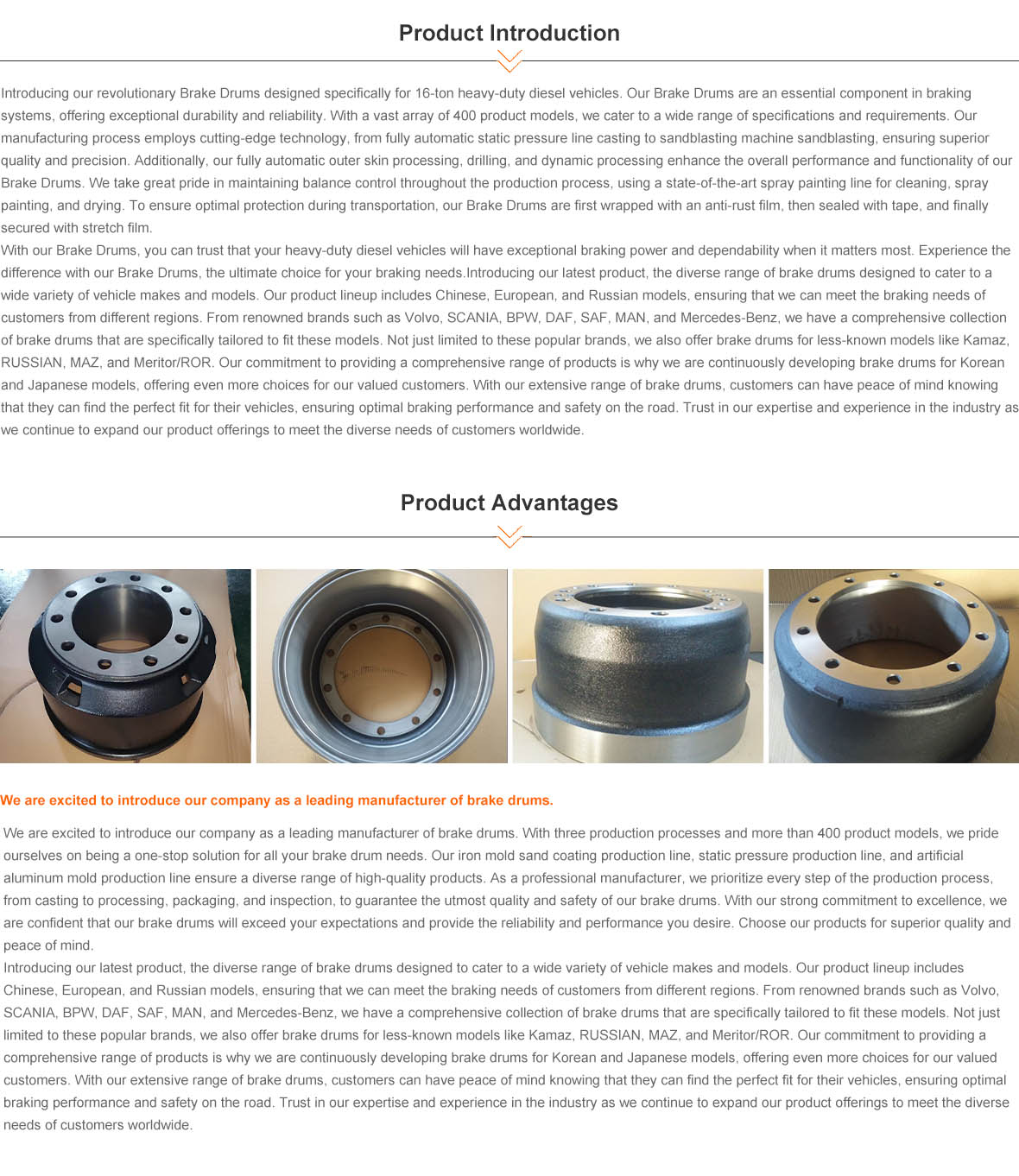
Introduction
Rear drum brakes on the 2006 Chevrolet Silverado represent a foundational braking technology utilized extensively in the automotive industry, particularly in medium-duty applications. Positioned within the vehicle’s braking system as the primary deceleration mechanism for the rear axle, they function by converting kinetic energy into thermal energy through friction. This system consists of a rotating drum, brake shoes containing friction material, a wheel cylinder, and various springs and adjusters. The 2006 Silverado's rear drum brake system is a self-energizing design, utilizing a dual-shoe arrangement to amplify braking force. Understanding the intricacies of these brakes—including material composition, manufacturing processes, performance characteristics, and potential failure modes—is critical for effective maintenance, repair, and safety assurance. Core performance characteristics are defined by stopping distance, braking force, fade resistance, and durability, all impacted by the quality of materials and precision of assembly. This guide provides a comprehensive technical overview for automotive engineers, technicians, and procurement professionals.
Material Science & Manufacturing
The rear drum brake system for the 2006 Silverado leverages several key materials. The brake drum itself is typically manufactured from gray cast iron, specifically ASTM A48 Class 30, chosen for its excellent heat capacity, wear resistance, and relatively low cost. The chemical composition of gray cast iron includes a high percentage of carbon, present primarily as graphite flakes, which contribute to its damping properties and machinability. Brake shoes utilize a friction material bonded to a steel backing plate. Common friction material compositions include semi-metallic (containing iron powder, copper fibers, and graphite), organic (incorporating cellulose fibers, phenolic resin, and rubber), and ceramic (utilizing ceramic fibers, copper, and graphite). The steel backing plate is typically made of SAE 1010 carbon steel, known for its formability and weldability. The wheel cylinder, responsible for hydraulic force application, is commonly constructed from ductile iron (ASTM A477), providing improved strength and ductility compared to gray cast iron.
Manufacturing processes include casting for the drum and wheel cylinder, stamping and welding for the backing plate, and a bonding process for the friction material application. Casting involves creating a mold and pouring molten metal into it; precise temperature control and cooling rates are critical to achieve desired microstructure and mechanical properties. The friction material bonding process utilizes high-pressure and heat to permanently adhere the friction material to the steel backing plate, ensuring consistent friction coefficient and resistance to delamination. Critical parameters during manufacturing include drum concentricity, shoe lining adhesion strength, and wheel cylinder bore diameter. Quality control procedures involve dimensional inspection, material analysis, and pressure testing to ensure compliance with stringent industry standards.
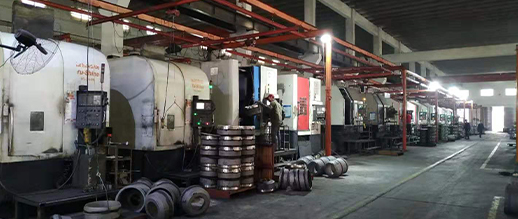
Performance & Engineering
The performance of the 2006 Silverado’s rear drum brakes is governed by a complex interplay of forces and material properties. Force analysis centers around the braking torque generated by the friction between the brake shoes and the drum. This torque is directly proportional to the normal force applied by the wheel cylinder and the coefficient of friction between the materials. The self-energizing design amplifies this force due to the shape of the brake shoes, causing a positive feedback loop that increases braking efficiency. However, this amplification can also lead to increased sensitivity to variations in friction material wear and drum eccentricity.
Environmental resistance is a critical consideration. Exposure to moisture, salt, and other corrosive agents can lead to rust formation on the drum and backing plate, reducing braking performance and potentially causing premature failure. The friction material must also withstand high temperatures generated during braking, resisting fade and maintaining a consistent coefficient of friction. Compliance requirements include Federal Motor Vehicle Safety Standards (FMVSS) 105 and 116, which dictate minimum braking performance criteria and material specifications. Functional implementation involves precise hydraulic pressure control via the master cylinder and brake lines, ensuring even braking force distribution between the left and right rear wheels. Effective heat dissipation is also crucial, relying on the drum’s thermal conductivity and airflow around the brake assembly.
Technical Specifications
| Parameter | Specification | Testing Standard | Typical Value (2006 Silverado) |
|---|---|---|---|
| Drum Inner Diameter | Nominal 11.0 inches (279.4 mm) | SAE J477 | 11.02 inches (279.9 mm) |
| Brake Shoe Width | 1.75 inches (44.5 mm) | OEM Specification | 1.75 inches (44.5 mm) |
| Friction Material Thickness | 0.140 inches (3.56 mm) | SAE J866 | 0.150 inches (3.81 mm) (New) |
| Wheel Cylinder Bore Diameter | 1.00 inches (25.4 mm) | OEM Specification | 1.00 inches (25.4 mm) |
| Braking Force (per wheel) | Minimum 400 lbs | FMVSS 105 | 550 lbs (Typical) |
| Coefficient of Friction (µ) | 0.25 - 0.40 | SAE J903 | 0.35 (Typical) |
Failure Mode & Maintenance
Rear drum brakes on the 2006 Silverado are susceptible to several failure modes. Fatigue cracking of the brake drum can occur due to repeated thermal stresses and mechanical loading, particularly during hard braking. Delamination of the friction material from the backing plate is often caused by poor bonding or exposure to moisture. Wheel cylinder failure, typically stemming from internal corrosion or seal degradation, results in loss of hydraulic pressure and reduced braking force. Brake shoe glazing, a hardening of the friction material surface, reduces the coefficient of friction and increases stopping distances. Oxidation and rust formation on the drum surface degrade braking performance and can lead to uneven wear.
Preventive maintenance is crucial to mitigate these failures. Regular inspections should include checking the drum for cracks and scoring, measuring friction material thickness, and examining the wheel cylinder for leaks. Brake shoes should be replaced when the friction material reaches the minimum specified thickness. The brake drum should be resurfaced or replaced if it exceeds the maximum allowable out-of-roundness. Periodic bleeding of the brake system is necessary to remove air bubbles and maintain optimal hydraulic pressure. Lubricating the brake shoe contact points with brake shoe lubricant helps to prevent binding and uneven wear. Avoid prolonged parking in humid or corrosive environments to minimize rust formation. Furthermore, ensuring proper brake adjustment is critical to maintaining optimal pedal feel and braking efficiency.
Industry FAQ
Q: What is the primary cause of brake fade in a drum brake system?
A: Brake fade is primarily caused by the overheating of the brake drum and friction material during prolonged or hard braking. This elevated temperature reduces the coefficient of friction, diminishing the braking force. Insufficient heat dissipation and the use of friction materials with low heat resistance contribute to this phenomenon.
Q: How does drum eccentricity affect braking performance?
A: Drum eccentricity, or variations in the roundness of the brake drum, causes uneven contact between the brake shoes and the drum surface. This leads to fluctuating braking force, increased noise, and accelerated wear of both the drum and shoes. Severe eccentricity can even result in brake pulsation.
Q: What are the key differences between semi-metallic, organic, and ceramic brake shoe materials?
A: Semi-metallic shoes offer high friction and good heat dissipation but can be noisy and abrasive to the drum. Organic shoes provide quiet operation and good pedal feel but have lower heat resistance. Ceramic shoes offer a balance of performance characteristics, providing good friction, low noise, and excellent heat resistance, although they are generally more expensive.
Q: What is the recommended procedure for diagnosing a sticking brake?
A: Diagnosing a sticking brake involves inspecting the brake shoe contact points for rust or corrosion, checking the wheel cylinder for proper operation, and verifying that the brake adjuster is functioning correctly. A visual inspection of the drum surface for scoring or damage is also crucial. Sometimes a stuck adjuster or corroded hardware will cause the shoe to remain in contact with the drum.
Q: What are the implications of using non-OEM brake components?
A: Using non-OEM (Original Equipment Manufacturer) brake components can lead to reduced braking performance, shorter service life, and increased risk of failure. Non-OEM parts may not meet the same stringent quality standards as OEM components, potentially compromising safety. It's essential to ensure any replacement parts meet or exceed OEM specifications.
Conclusion
The rear drum brake system on the 2006 Chevrolet Silverado, while a mature technology, remains a critical component of vehicle safety. Its performance relies heavily on the precise interplay of material science, manufacturing quality, and diligent maintenance. Understanding the intricacies of drum construction, friction material composition, and the principles of hydraulic braking is paramount for effective troubleshooting and repair. The longevity and reliability of these brakes are directly proportional to adherence to recommended maintenance schedules and the use of quality replacement parts.
Looking ahead, advancements in brake technology, such as improved friction materials and optimized drum designs, continue to enhance performance and durability. However, the fundamental principles governing drum brake operation remain constant. Continued investment in training and development for automotive technicians is essential to ensure the safe and effective maintenance of these vital braking systems, contributing to enhanced vehicle safety and operational efficiency.