
Introduction
Heavy truck brake drums are critical components of the braking system, responsible for converting kinetic energy into thermal energy through friction. Positioned within the wheel assembly, these cylindrical components work in conjunction with brake shoes or pads to decelerate or halt the vehicle. In the heavy-duty trucking industry supply chain, brake drums represent a substantial cost element, impacting both initial vehicle expense and ongoing maintenance budgets. Core performance characteristics include thermal capacity, wear resistance, and structural integrity under high stress. The industry faces consistent challenges regarding drum life, heat dissipation, and the mitigation of thermal cracking. Modern brake drum design focuses on achieving optimal balance between these parameters to ensure reliable performance and extended service intervals, contributing directly to fleet safety and operational efficiency. Current trends involve lighter materials and advanced casting techniques to improve performance and reduce overall weight.
Material Science & Manufacturing
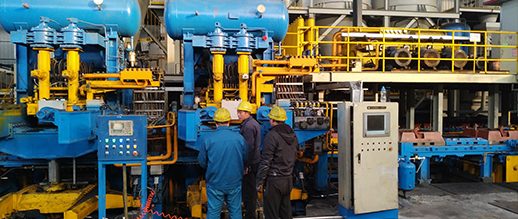
The predominant material for heavy truck brake drums is gray cast iron, specifically grades conforming to ASTM A48 Class 30. This material choice stems from its excellent thermal conductivity, damping capacity (reducing noise and vibration), and relatively low cost. The composition typically includes 2.5-4.0% carbon, 1.2-2.2% silicon, 0.8-1.5% manganese, and small percentages of sulfur and phosphorus. The graphite flake size and distribution within the matrix are crucial, impacting wear resistance and thermal shock resilience. Alternative materials, such as ductile iron and composite materials, are gaining traction in specialized applications demanding increased performance. Manufacturing processes typically involve sand casting, centrifugal casting, or chill casting. Sand casting is the most common due to its versatility and cost-effectiveness. Key parameters controlled during the casting process include mold temperature, pouring temperature, cooling rate, and sand composition. Post-casting processes include heat treatment (annealing or stress relieving) to improve mechanical properties, machining to achieve precise dimensions and surface finish, and quality control inspections utilizing non-destructive testing methods like ultrasonic testing and magnetic particle inspection. Surface treatments like thermal spraying or coatings are frequently applied to enhance wear resistance and corrosion protection. Proper control of the cooling process is paramount to prevent the formation of undesirable microstructures like martensite, which can lead to premature failure.

Performance & Engineering
Brake drum performance is fundamentally governed by its ability to dissipate heat generated during braking events. Heat dissipation is maximized through drum geometry, fin design, and material thermal conductivity. Finite element analysis (FEA) is extensively used to model thermal stress distribution and optimize drum design for enhanced cooling. Force analysis considers the radial pressure exerted by the brake shoes against the drum surface, resulting in frictional forces that create heat. Structural integrity is evaluated using FEA to predict stress levels under maximum braking loads and dynamic conditions, ensuring the drum can withstand repeated cycles without failure. Environmental resistance is critical; brake drums are exposed to corrosive elements like road salt, moisture, and chemicals. Coatings and material selection aim to minimize corrosion and maintain optimal braking performance. Compliance requirements are dictated by regulations such as FMVSS 121 (Federal Motor Vehicle Safety Standard 121) in the US, and ECE R90 in Europe. These standards specify performance criteria for braking systems, including brake drum dimensions, material properties, and braking efficiency. Functional implementation considers the interface between the drum and other braking components (brake shoes, wheel studs, hub assembly) to ensure proper alignment and smooth operation. Wear rate is a crucial performance metric, directly influencing drum lifespan and maintenance intervals. This is affected by friction material composition, braking habits, and environmental conditions.
Technical Specifications
| Parameter | Typical Value (Heavy Duty Truck - Standard Drum) | Typical Value (Heavy Duty Truck - Severe Service Drum) | Testing Standard |
|---|---|---|---|
| Diameter | 410 mm (16.14 inches) | 440 mm (17.32 inches) | SAE J1098 |
| Width | 140 mm (5.51 inches) | 160 mm (6.30 inches) | SAE J1098 |
| Maximum Braking Torque | 2500 Nm (1844 lb-ft) | 3200 Nm (2360 lb-ft) | FMVSS 121 |
| Tensile Strength (Material) | > 280 MPa (40,600 psi) | > 310 MPa (45,000 psi) | ASTM A48 |
| Thermal Conductivity | 45-55 W/m·K | 50-60 W/m·K | ASTM E1225 |
| Maximum Operating Temperature | 350°C (662°F) | 400°C (752°F) | In-house testing |
Failure Mode & Maintenance
Common failure modes in heavy truck brake drums include thermal cracking, spalling, wear, and deformation. Thermal cracking arises from rapid heating and cooling cycles, inducing tensile stresses that exceed the material's strength. This is particularly prevalent in severe service applications with frequent, hard braking. Spalling involves the chipping or flaking of the drum surface due to fatigue and subsurface crack propagation. Wear is a gradual process caused by friction between the drum and brake shoes, leading to a reduction in drum diameter and ultimately, reduced braking effectiveness. Deformation can occur from overheating or excessive loads, resulting in out-of-roundness and uneven brake shoe contact. Failure analysis utilizes techniques such as fractography (studying fracture surfaces), metallurgical analysis, and FEA to identify the root cause of failure. Preventative maintenance is crucial. Regular inspections should assess drum thickness, surface condition (checking for cracks and spalling), and out-of-roundness. Brake shoe alignment and adjustment are also critical to ensure even wear. Resurfacing drums can restore surface finish and remove minor wear, but should be performed within specified limits to avoid reducing drum thickness below acceptable levels. Proper lubrication of brake components (excluding the friction surfaces) minimizes friction and wear. The use of high-quality brake shoes compatible with the drum material is essential to avoid accelerated wear and premature failure.
Industry FAQ
Q: What is the primary cause of thermal cracking in heavy truck brake drums?
A: The primary cause is rapid thermal cycling combined with high stress levels. Frequent hard braking generates intense heat, creating thermal gradients within the drum. When rapidly cooled, tensile stresses develop, exceeding the material’s fatigue limit and leading to crack initiation and propagation. Factors like drum design, material composition, and cooling fin effectiveness influence susceptibility.
Q: How does drum material impact braking performance and lifespan?
A: The material's thermal conductivity and wear resistance are paramount. Gray cast iron, the standard material, provides good thermal conductivity for heat dissipation, but is susceptible to wear. Ductile iron offers higher strength and wear resistance but has lower thermal conductivity. Material selection must balance these properties based on the intended application and operating conditions.
Q: What are the acceptable limits for drum thickness reduction during resurfacing?
A: Minimum acceptable thickness is specified by the drum manufacturer and relevant industry standards (SAE J1098). Exceeding these limits compromises structural integrity and can lead to catastrophic failure. Resurfacing should only be performed if sufficient material remains to meet these minimum specifications. Typically, the allowable material removal is limited to a few millimeters.
Q: How important is proper brake shoe alignment to drum life?
A: Proper alignment is critical. Misalignment causes uneven wear, localized heating, and increased stress concentrations. This accelerates drum wear and increases the risk of thermal cracking. Regular inspection and adjustment of brake shoes are essential to ensure optimal contact and even wear distribution.
Q: What role do coatings play in enhancing brake drum performance?
A: Coatings enhance wear resistance, corrosion protection, and sometimes, thermal dissipation. Coatings like metallic sprays or ceramic composites can improve surface hardness and reduce friction wear. Corrosion-resistant coatings protect against environmental degradation, extending drum lifespan. Some advanced coatings are designed to improve thermal conductivity, aiding in heat dissipation.
Conclusion
Heavy truck brake drums are essential safety-critical components whose performance is determined by a complex interplay of material science, manufacturing precision, and engineering design. The selection of appropriate materials, coupled with careful control of manufacturing processes, is crucial for achieving optimal thermal capacity, wear resistance, and structural integrity. Understanding the common failure modes and implementing preventative maintenance strategies are vital for maximizing drum lifespan and ensuring reliable braking performance.
Future advancements in brake drum technology will likely focus on lightweight materials (such as composite materials) to reduce vehicle weight and improve fuel efficiency, as well as optimized designs that enhance heat dissipation and minimize stress concentrations. Continued development of advanced coatings and surface treatments will also play a role in extending drum lifespan and improving overall braking system performance. Standardization and adherence to industry regulations (FMVSS, ECE) remain paramount for ensuring safety and reliability.