
Introduction
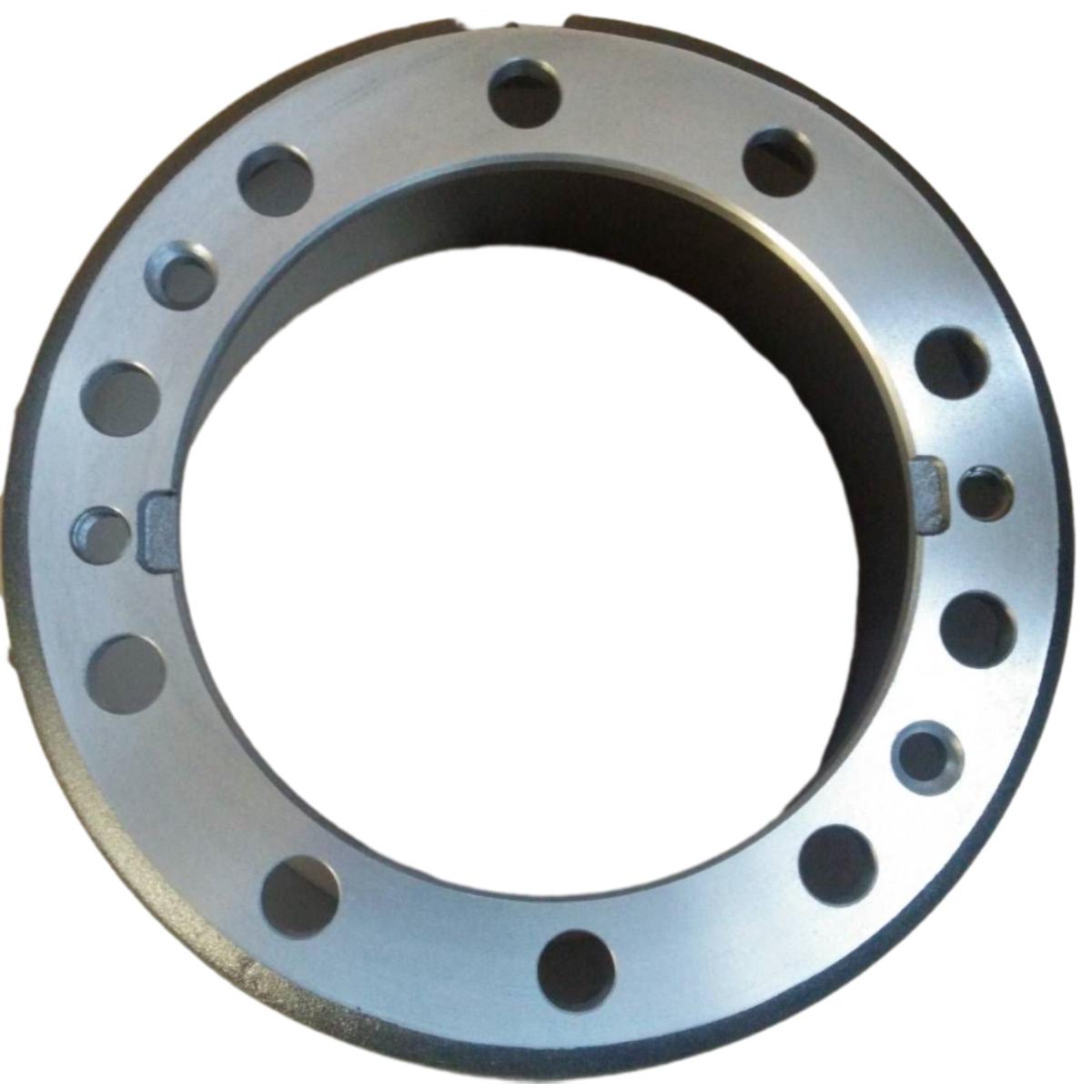
Conmet drums, specifically hub-piloted and stud-piloted steel disc brake drums, represent a critical component in commercial vehicle braking systems. Positioned within the heavy-duty transportation industry supply chain, they serve as the interface between the wheel end and the braking mechanism. These drums, primarily utilized in trucks, buses, and trailers, are subject to intense thermal and mechanical stresses during operation. Core performance characteristics revolve around heat dissipation capacity, resistance to thermal shock, dimensional stability under load, and overall durability. Their performance directly impacts vehicle safety, operational costs (through maintenance intervals), and adherence to stringent regulatory standards. The increasing demands for reduced stopping distances, extended service life, and lighter vehicle weights are driving continuous innovation in Conmet drum design and material science.
Material Science & Manufacturing
Conmet drums are typically manufactured from high-strength gray cast iron, specifically utilizing grades like ASTM 6025. The composition is carefully controlled to optimize thermal conductivity, wear resistance, and machinability. Key alloying elements include carbon, silicon, manganese, and phosphorus. The graphite flake size and distribution within the cast iron matrix are critical, influencing both thermal shock resistance and damping capacity. Manufacturing begins with patternmaking, followed by sand casting. The casting process demands precise control of pouring temperature, cooling rates, and sand composition to minimize defects like porosity and shrinkage cavities. Following casting, drums undergo several machining operations: turning, milling, and grinding to achieve tight dimensional tolerances and surface finishes. Heat treatment, often involving annealing or stress relieving, is employed to enhance material properties. Critical parameters monitored during manufacturing include chemical composition verification (spectroscopy), radiographic inspection for internal defects, and non-destructive testing (NDT) such as magnetic particle inspection (MPI) for surface flaws. Modern manufacturing techniques also incorporate finite element analysis (FEA) during mold design to optimize stress distribution and minimize material waste. Recent developments involve incorporating advanced materials like spheroidal graphite iron (ductile iron) in specific applications to increase strength and reduce weight, albeit at a higher cost.

Performance & Engineering
The performance of a Conmet drum is fundamentally linked to its ability to dissipate heat generated during braking. The drum acts as a heat sink, absorbing kinetic energy converted to thermal energy by the friction between the brake shoes and the drum's inner surface. Force analysis reveals that the drum is subject to radial stresses due to brake shoe pressure and tangential stresses resulting from rotational forces. Thermal stresses, induced by uneven temperature distribution, are particularly critical and can lead to thermal cracking. Engineering designs focus on optimizing fin geometry to maximize surface area for convective heat transfer. Ventilation holes are strategically positioned to promote airflow. Finite Element Analysis (FEA) is routinely used to model thermal and mechanical stresses under various braking scenarios, including continuous braking, emergency braking, and frequent stop-and-go operation. Compliance requirements are dictated by FMVSS 121 (Federal Motor Vehicle Safety Standard 121) in the US and ECE R90 in Europe, which specify performance criteria for braking systems, including drum brake performance. Environmental resistance considerations include corrosion protection (typically achieved through surface coatings) and resistance to degradation from road salts and other contaminants. Furthermore, drums must withstand the constant impact and vibration inherent in heavy-duty vehicle operation. The drum's material and design must account for the coefficient of thermal expansion to prevent interference with other wheel end components.
Technical Specifications
| Drum Diameter (in) | Drum Width (in) | Maximum Brake Shoe Width (in) | Bolt Circle Diameter (in) | Material Grade | Maximum Operating Temperature (°F) |
|---|---|---|---|---|---|
| 14 | 6.5 | 2.5 | 6.5 | ASTM 6025 | 900 |
| 16 | 7.5 | 3.0 | 7.5 | ASTM 6025 | 900 |
| 18 | 8.0 | 3.5 | 8.5 | ASTM 6025 | 900 |
| 20 | 8.5 | 4.0 | 9.5 | ASTM 6025 | 900 |
| 22.5 | 9.0 | 4.5 | 10.5 | ASTM 6025 | 900 |
| 24 | 9.5 | 5.0 | 11.5 | ASTM 6025 | 900 |
Failure Mode & Maintenance
Conmet drums are susceptible to several failure modes. Thermal cracking, initiated by localized overheating and rapid temperature gradients, is a common issue, particularly under severe braking conditions. Fatigue cracking can occur due to cyclical loading and stress concentrations around bolt holes or ventilation openings. Spalling, the chipping or flaking of the drum’s surface, is often caused by impact damage or corrosion. Corrosion, particularly galvanic corrosion in the presence of dissimilar metals, can weaken the drum material and lead to structural failure. Delamination, or the separation of layers within the cast iron, can result from improper casting or heat treatment. Maintenance typically involves periodic inspections for cracks, spalling, and corrosion. Depth of cracks is crucial - exceeding a certain threshold necessitates drum replacement. Surface finish should be checked for irregularities. Hub-piloted drums require accurate hub-to-drum mating to prevent wobble and uneven brake shoe wear. Lubrication of the hub-to-drum interface is critical to prevent seizing. Recommended maintenance intervals vary depending on operating conditions and vehicle usage, but generally include visual inspections every 6,000-10,000 miles and more detailed inspections during wheel-end service. Preventative measures include proper brake adjustment to ensure even braking force and minimizing aggressive braking maneuvers to reduce thermal stress.
Industry FAQ
Q: What is the primary factor influencing the service life of a Conmet drum?
A: The primary factor is thermal management. Excessive heat build-up during braking accelerates wear, induces thermal stress, and can lead to cracking. Factors influencing heat build-up include braking frequency, vehicle weight, road grade, and brake adjustment.
Q: How do hub-piloted and stud-piloted Conmet drums differ in terms of maintenance requirements?
A: Hub-piloted drums require more precise hub-to-drum mating and lubrication to prevent wobble and uneven wear. Stud-piloted drums rely on accurate wheel stud torque and alignment. Both require regular inspection for lug nut tightness.
Q: What are the implications of using non-OEM (Original Equipment Manufacturer) Conmet drums?
A: Non-OEM drums may not meet the same stringent quality control standards as OEM parts. Variations in material composition, manufacturing tolerances, and heat treatment can affect performance and durability, potentially leading to premature failure and safety concerns. Verification of compliance with relevant standards is essential.
Q: How does the drum's surface finish impact brake performance?
A: A smooth, consistent surface finish is crucial for optimal friction coefficient and even brake shoe wear. Rough surfaces can cause excessive brake shoe wear and reduce braking efficiency. Machining and finishing processes must maintain tight tolerances.
Q: What are the common causes of drum warping?
A: Drum warping is typically caused by uneven heating and cooling, leading to residual stresses within the material. Aggressive braking, improper brake adjustment, and prolonged exposure to high temperatures can contribute to warping, resulting in brake pulsation and reduced braking effectiveness.
Conclusion
Conmet drums remain a vital component in commercial vehicle braking systems, demanding a comprehensive understanding of material science, manufacturing processes, and performance engineering. The optimization of heat dissipation, coupled with robust material selection and precise manufacturing control, are paramount to achieving extended service life and ensuring vehicle safety. Ongoing advancements in materials and design are focused on reducing weight and improving braking performance while adhering to increasingly stringent regulatory requirements.
Continued focus on preventative maintenance, including regular inspections and proper brake adjustment, is critical for mitigating common failure modes such as thermal cracking and corrosion. The long-term viability of Conmet drum technology will depend on sustained innovation in areas such as advanced casting techniques, high-performance materials, and intelligent braking system integration.