

Introduction
The extrusion of a drum brake cylinder, commonly referred to as "popping out," represents a critical failure mode in vehicle braking systems. This phenomenon is characterized by the complete or partial dislodgement of the wheel cylinder assembly from the backing plate, resulting in immediate and substantial loss of braking force on the affected wheel. Drum brake systems, while increasingly superseded by disc brakes, remain prevalent in many vehicles, particularly in rear axle applications and commercial vehicles due to their self-energizing effect and cost-effectiveness. The wheel cylinder is the hydraulic actuator within the drum brake assembly, converting fluid pressure into mechanical force to press the brake shoes against the inner surface of the brake drum. Understanding the root causes of cylinder extrusion, material properties contributing to failure, and appropriate preventative maintenance is paramount for ensuring vehicle safety and minimizing repair costs. This guide provides a comprehensive technical analysis of drum brake cylinder extrusion, covering material science, manufacturing processes, performance parameters, failure mechanisms, and relevant industry standards.
Material Science & Manufacturing
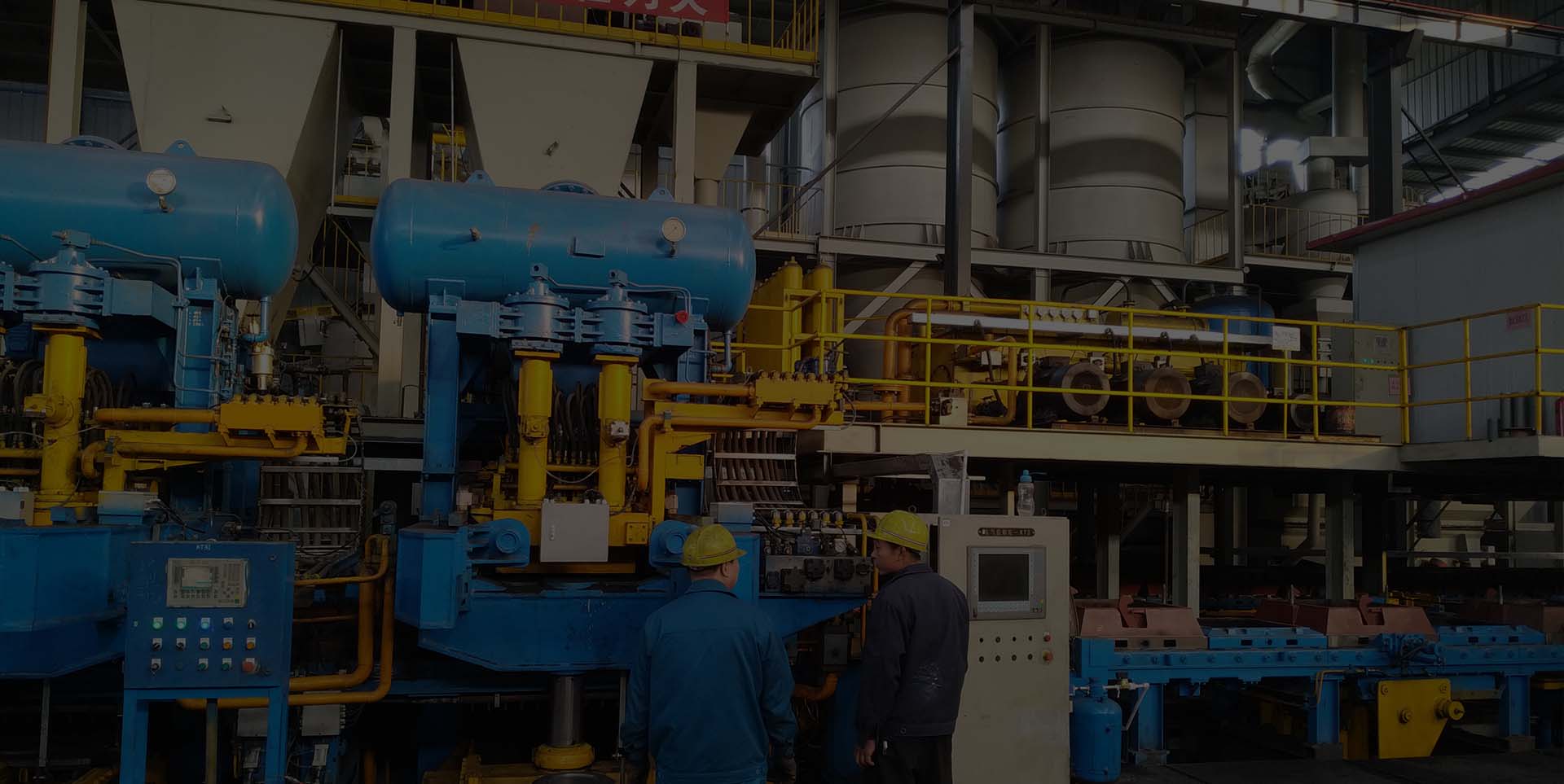
Drum brake cylinders are typically manufactured from ductile cast iron, although aluminum alloy cylinders are increasingly common in lighter vehicle applications. Ductile cast iron (ASTM A48 Class 30) is favored for its excellent wear resistance, high compressive strength, and ability to withstand the corrosive environment within the braking system. The manufacturing process begins with the creation of a core and mold, followed by pouring molten iron into the mold cavity. Critical parameters during casting include cooling rate, melt temperature, and alloy composition, all of which influence the resulting microstructure and mechanical properties. Following casting, the cylinder undergoes machining operations to achieve precise dimensional tolerances for the piston bore, mounting flange, and bleed screw port. The cylinder bore is typically honed to achieve a smooth surface finish, crucial for proper piston sealing. Aluminum alloy cylinders (typically A356-T6) are manufactured using die casting or permanent mold casting. Aluminum offers weight reduction but necessitates careful corrosion protection, often achieved through anodizing or coating. Brake fluid compatibility is a critical material consideration. Glycol-ether based brake fluids (DOT 3, DOT 4, DOT 5.1) are hygroscopic, meaning they absorb moisture from the atmosphere. This moisture can lead to corrosion within the cylinder, weakening the material and increasing the risk of extrusion. Rubber seals (typically nitrile butadiene rubber, NBR) within the cylinder are also susceptible to swelling and degradation from prolonged exposure to brake fluid, impacting piston movement and seal integrity.
Performance & Engineering
The primary engineering challenge in drum brake cylinder design is to withstand the significant hydraulic pressure generated during braking events without deformation or failure. Force analysis reveals that the cylinder is subjected to both radial pressure from the expanding piston and shear forces at the mounting flange. The mounting flange, typically secured to the backing plate with two bolts, is a critical load-bearing component. Bolt preload is essential to prevent loosening and maintain structural integrity. Insufficient preload or bolt fatigue can lead to flange deformation and eventual cylinder extrusion. Environmental resistance is also crucial. Exposure to road salt, water, and temperature fluctuations can accelerate corrosion and material degradation. The cylinder’s internal geometry influences the force distribution on the brake shoes, impacting braking efficiency and wear characteristics. Compliance requirements, such as Federal Motor Vehicle Safety Standard (FMVSS) 105, mandate minimum braking performance and durability standards. Finite Element Analysis (FEA) is widely used during the design process to simulate stress distribution under various loading conditions, optimizing cylinder geometry and material selection to prevent failure. Proper venting of the cylinder is essential to prevent air lock, which reduces braking effectiveness and can contribute to internal pressure buildup, exacerbating the risk of extrusion. The design must account for thermal expansion and contraction of materials, ensuring adequate clearances to prevent binding and ensure smooth piston movement.
Technical Specifications
| Parameter | Ductile Cast Iron Cylinder | Aluminum Alloy Cylinder | Units |
|---|---|---|---|
| Tensile Strength | 400-600 | 270-350 | MPa |
| Yield Strength | 300-500 | 200-280 | MPa |
| Hardness (Brinell) | 180-240 | 80-120 | HB |
| Piston Bore Diameter | 17.48 - 25.4 | 17.48 - 25.4 | mm |
| Mounting Flange Bolt Hole Diameter | 8 - 10 | 8 - 10 | mm |
| Maximum Operating Pressure | 10-15 | 10-15 | MPa |
Failure Mode & Maintenance
The primary failure mode leading to cylinder extrusion is fatigue cracking at the mounting flange. Repeated stress cycles from braking events, coupled with corrosion and material defects, initiate cracks that propagate over time. Another common failure mode is corrosion-induced weakening of the cylinder body or mounting flange. Moisture ingress and brake fluid degradation accelerate corrosion, reducing the material’s load-bearing capacity. Insufficient bolt preload significantly contributes to flange deformation and extrusion. Loosened bolts allow for excessive movement, creating stress concentrations and accelerating crack propagation. Internal corrosion and pitting within the cylinder bore can also lead to piston seizure and increased pressure, increasing the risk of extrusion. Preventative maintenance is crucial. Regularly inspecting the brake cylinders for leaks, corrosion, and damaged boots is essential. Maintaining the brake fluid at the recommended level and flushing it periodically (every 2-3 years) removes moisture and contaminants. Ensure proper bolt tightening to the manufacturer’s specified torque values. Inspect the backing plate for damage or deformation that could compromise the cylinder’s mounting stability. If signs of corrosion or cracking are observed, the cylinder should be replaced immediately. During replacement, ensure the mounting surface on the backing plate is clean and free of debris. Applying a corrosion inhibitor to the mounting surface can help prevent future corrosion.
Industry FAQ
Q: What is the impact of using non-OEM brake fluid on the risk of cylinder extrusion?
A: Non-OEM brake fluids may not meet the stringent specifications required for proper compatibility with cylinder materials and seals. Variations in chemical composition can accelerate corrosion and seal degradation, increasing the likelihood of cylinder failure, including extrusion. It’s crucial to use brake fluid that meets or exceeds the vehicle manufacturer's specifications (DOT 3, DOT 4, DOT 5.1).
Q: How does road salt exposure contribute to cylinder extrusion?
A: Road salt is highly corrosive and accelerates the degradation of cast iron and aluminum alloys. Salt penetrates the cylinder’s external surfaces and internal crevices, promoting corrosion. This corrosion weakens the material, particularly at the mounting flange, making it more susceptible to fatigue cracking and eventual extrusion.
Q: What role does the condition of the brake shoes play in preventing cylinder extrusion?
A: Worn or unevenly worn brake shoes can create an imbalance in the braking force applied to the drum. This imbalance can place additional stress on the cylinder and its mounting flange, increasing the risk of failure. Regularly inspecting and replacing worn brake shoes ensures even braking force distribution and reduces stress on the cylinder.
Q: Is there a correlation between vehicle mileage and the probability of cylinder extrusion?
A: Generally, the probability of cylinder extrusion increases with vehicle mileage due to cumulative fatigue damage, corrosion, and the effects of prolonged exposure to harsh operating conditions. However, regular maintenance and inspection can significantly mitigate this risk, regardless of mileage.
Q: What are the potential consequences of ignoring early signs of cylinder leakage?
A: Ignoring early signs of cylinder leakage, such as a soft brake pedal or fluid loss, can lead to a catastrophic failure and cylinder extrusion. This results in a complete loss of braking force on the affected wheel, posing a serious safety hazard. Early detection and repair can prevent this scenario.
Conclusion
Drum brake cylinder extrusion is a complex failure mode stemming from a combination of material degradation, manufacturing defects, improper maintenance, and operational stresses. The vulnerability of the mounting flange, exacerbated by corrosion and insufficient bolt preload, is a primary contributing factor. Maintaining brake fluid integrity, ensuring proper bolt torque, and conducting regular inspections are critical preventative measures.
The transition towards disc brake systems aims to eliminate the susceptibility to cylinder extrusion inherent in drum brake designs. However, given the continued prevalence of drum brakes, a thorough understanding of failure mechanisms and preventative maintenance protocols remains essential for ensuring vehicle safety and minimizing repair costs. Continued research into improved materials, corrosion-resistant coatings, and enhanced cylinder designs will further enhance the reliability and longevity of drum brake systems.