

Introduction
The 1998 Ford F-150 drum brake system represents a critical component in the vehicle’s overall safety and operational performance. Within the automotive braking ecosystem, drum brakes, while increasingly replaced by disc brakes in front applications, remained standard on the rear axles of many 1998 F-150 models. This system relies on frictional forces generated between brake shoes and the inner surface of a rotating drum to decelerate or stop the vehicle. Understanding the intricacies of these systems – from material composition to failure analysis – is paramount for maintenance professionals, fleet managers, and parts suppliers. The core performance characteristics center around consistent stopping power, durability under varying load conditions, and resistance to fading due to heat buildup. The 1998 F-150's drum brake design is a direct evolution of established braking technology, refined for the demands of a full-size pickup truck, and subject to stringent safety regulations.
Material Science & Manufacturing
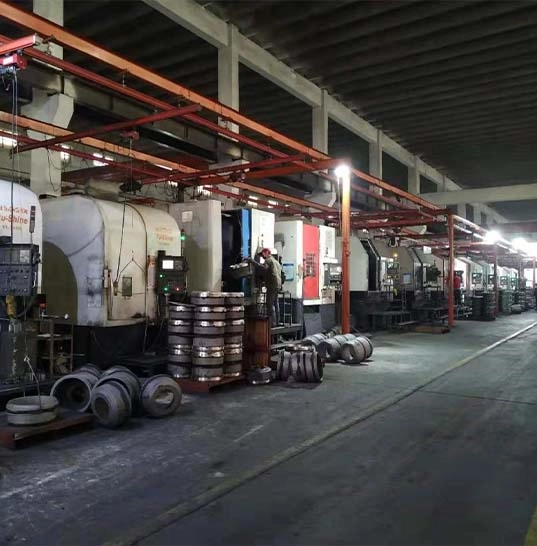
The 1998 F-150 drum brake system utilizes a combination of materials engineered for specific properties. The brake drum itself is typically constructed from gray cast iron, chosen for its high thermal conductivity, wear resistance, and relatively low cost. The chemical composition generally falls within ASTM A48 Class 30, featuring a predominantly iron matrix with controlled levels of carbon (2.5-4.0%), silicon (1.8-3.2%), manganese (0.8-1.3%), and phosphorus (0.4-1.0%). These elements contribute to the material’s castability, strength, and resistance to thermal shock. Brake shoes are manufactured from a composite material comprising steel core, a friction material bonded to the steel, and a lining. The friction material frequently contains asbestos (though increasingly phased out by 1998 due to health concerns and replaced with organic or semi-metallic compounds), phenolic resin, and various friction modifiers like copper and iron. The steel core provides structural integrity, while the friction material delivers the necessary coefficient of friction. Manufacturing involves several key processes. Drum casting utilizes sand casting, requiring precise mold creation and controlled cooling rates to minimize defects like porosity and shrinkage. Brake shoe manufacturing involves stamping the steel core, hot-riveting the friction material to the core, and machining to final dimensions. Parameter control during friction material bonding is critical; temperature, pressure, and curing time directly influence bond strength and long-term performance. Quality control focuses on dimensional accuracy, material composition verification (through spectrographic analysis), and testing of frictional properties.
Performance & Engineering
The performance of the 1998 F-150 drum brake system is deeply rooted in engineering principles related to friction, heat transfer, and structural integrity. Force analysis considers the clamping force exerted by the wheel cylinder, the coefficient of friction between the brake shoes and drum, and the resulting braking torque. This torque is directly proportional to the force and the drum's radius, dictating the vehicle's deceleration rate. Environmental resistance is a significant concern. Corrosion, particularly from road salt and moisture, can degrade the drum surface and compromise braking efficiency. Protective coatings, such as phosphate coatings, are applied to mitigate corrosion. Heat dissipation is another crucial factor. During prolonged braking, kinetic energy is converted into heat, which can lead to brake fade – a reduction in braking force due to the decrease in friction coefficient at elevated temperatures. Drum design incorporates features like fins to enhance heat radiation. Compliance requirements are dictated by Federal Motor Vehicle Safety Standards (FMVSS) 105 and 116, which specify minimum braking performance criteria, including stopping distance and brake fade resistance. Functional implementation involves the hydraulic system, master cylinder, wheel cylinders, and brake lines. The master cylinder converts pedal force into hydraulic pressure, which is then transmitted to the wheel cylinders, activating the brake shoes. Regular maintenance, including brake fluid flushing and inspection of brake lines for leaks, is essential to maintain optimal performance and prevent system failures.
Technical Specifications
| Drum Diameter (in) | Drum Width (in) | Brake Shoe Width (in) | Friction Material Coefficient of Friction (μ) |
|---|---|---|---|
| 11.02 | 2.00 | 1.75 | 0.30 - 0.40 (typical range) |
| 11.02 | 2.00 | 2.00 | 0.35 - 0.45 (Heavy Duty) |
| Wheel Cylinder Bore Diameter (in) | Wheel Cylinder Piston Travel (in) | Static Friction Coefficient | Dynamic Friction Coefficient |
| 1.00 | 0.625 | 0.40 - 0.45 | 0.30 - 0.35 |
| Maximum Drum Temperature (°F) | Minimum Drum Thickness (in) | Recommended Brake Fluid | System Pressure (PSI) |
| 750 | 0.25 | DOT 3 or DOT 4 | 800-1000 |
Failure Mode & Maintenance
Several failure modes can affect the 1998 F-150 drum brake system. Fatigue cracking in the brake drum, often initiated at stress concentration points (e.g., bolt holes), can lead to catastrophic failure. Delamination of the friction material from the brake shoe can reduce braking effectiveness and potentially damage the drum surface. Glazing of the friction material, caused by prolonged exposure to high temperatures, reduces the coefficient of friction. Corrosion of the drum surface and wheel cylinder components reduces braking performance and compromises structural integrity. Wheel cylinder leaks, often caused by corroded seals, lead to loss of hydraulic pressure and brake failure. Maintenance solutions involve regular inspections for drum cracks, friction material wear, and corrosion. Drum resurfacing can address minor wear and glazing, but exceeding the minimum drum thickness is strictly prohibited. Wheel cylinder replacement is necessary for leaks. Brake shoe replacement is required when the friction material wears below the specified minimum thickness. Brake fluid flushing every two years, or as recommended by the vehicle manufacturer, prevents corrosion and maintains optimal hydraulic performance. Proper lubrication of moving parts, such as the self-adjuster mechanism, ensures smooth operation and prevents premature wear. A thorough post-service brake system bleeding is paramount to eliminate air from the lines.
Industry FAQ
Q: What is the typical lifespan of brake shoes on a 1998 F-150 used for light-duty hauling?
A: The lifespan of brake shoes varies considerably based on driving conditions and usage. However, a typical range for a 1998 F-150 used primarily for light-duty hauling is between 30,000 and 50,000 miles. Regular inspections are crucial to identify premature wear caused by factors like aggressive driving or contaminated brake fluid.
Q: How can I diagnose brake fade in this system, and what are the potential causes?
A: Brake fade is characterized by a spongy brake pedal feel and reduced stopping power, especially after repeated braking events. Potential causes include overheating of the brake drums due to prolonged use, contaminated friction material, or air in the brake lines. A visual inspection for drum discoloration and a brake fluid test for moisture content can help pinpoint the issue.
Q: What are the risks associated with using aftermarket brake shoes that don't meet OEM specifications?
A: Using non-OEM brake shoes can present several risks. Inferior friction materials may have lower coefficients of friction, resulting in reduced stopping power. Poor manufacturing quality can lead to premature wear and delamination. Incorrect dimensions can cause improper fitment and increased wear on other components. It is vital to ensure that any aftermarket parts meet or exceed OEM performance standards.
Q: Is drum brake self-adjustment a reliable feature, and what maintenance should be performed on the self-adjuster mechanism?
A: The self-adjuster mechanism is generally reliable, but it can become corroded or obstructed over time, leading to improper adjustment and reduced braking performance. Regular lubrication of the self-adjuster with a high-temperature brake grease is recommended. Periodic inspection to ensure free movement is also crucial.
Q: What is the recommended procedure for resurfacing brake drums, and what are the limits to avoid compromising structural integrity?
A: Brake drum resurfacing should be performed on a dedicated brake lathe, following the manufacturer's specifications. The procedure involves removing a minimal amount of material to create a smooth, even surface. The minimum drum thickness, typically 0.25 inches for the 1998 F-150, must not be undercut. Exceeding this limit compromises the drum's structural integrity and creates a safety hazard.
Conclusion
The 1998 Ford F-150 drum brake system, while a mature technology, remains a critical safety component. Its performance relies heavily on the careful selection of materials, precise manufacturing processes, and diligent maintenance. Understanding the interplay between material science, engineering principles, and potential failure modes is essential for ensuring optimal braking performance and preventing catastrophic failures. The system’s longevity and reliability are directly tied to consistent preventative maintenance and the use of components that meet or exceed original equipment manufacturer (OEM) specifications.
Looking ahead, the industry trend continues toward disc brakes offering superior heat dissipation and overall performance. However, drum brakes remain prevalent in rear axle applications due to their cost-effectiveness and parking brake integration capabilities. Continued advancements in friction material technology and corrosion-resistant coatings will further enhance the durability and reliability of drum brake systems, extending their lifespan and maintaining their role in automotive safety for years to come.