

Introduction
Rear braking systems represent a critical safety component in automotive engineering, historically dominated by drum brakes but increasingly transitioning towards disc brake configurations. This technical guide provides an in-depth analysis of rear drum brakes versus rear disc brakes, encompassing material science, manufacturing processes, performance characteristics, failure modes, and applicable industry standards. The choice between the two technologies isn’t simply a matter of cost; it hinges on considerations of weight, heat dissipation, stopping power, maintenance requirements, and vehicle application. The industry's ongoing demand for enhanced braking performance, coupled with stringent safety regulations, continues to drive innovation in brake system design. A core pain point for automotive OEMs and Tier 1 suppliers lies in balancing these factors to optimize braking efficiency and durability while adhering to cost targets.
Material Science & Manufacturing
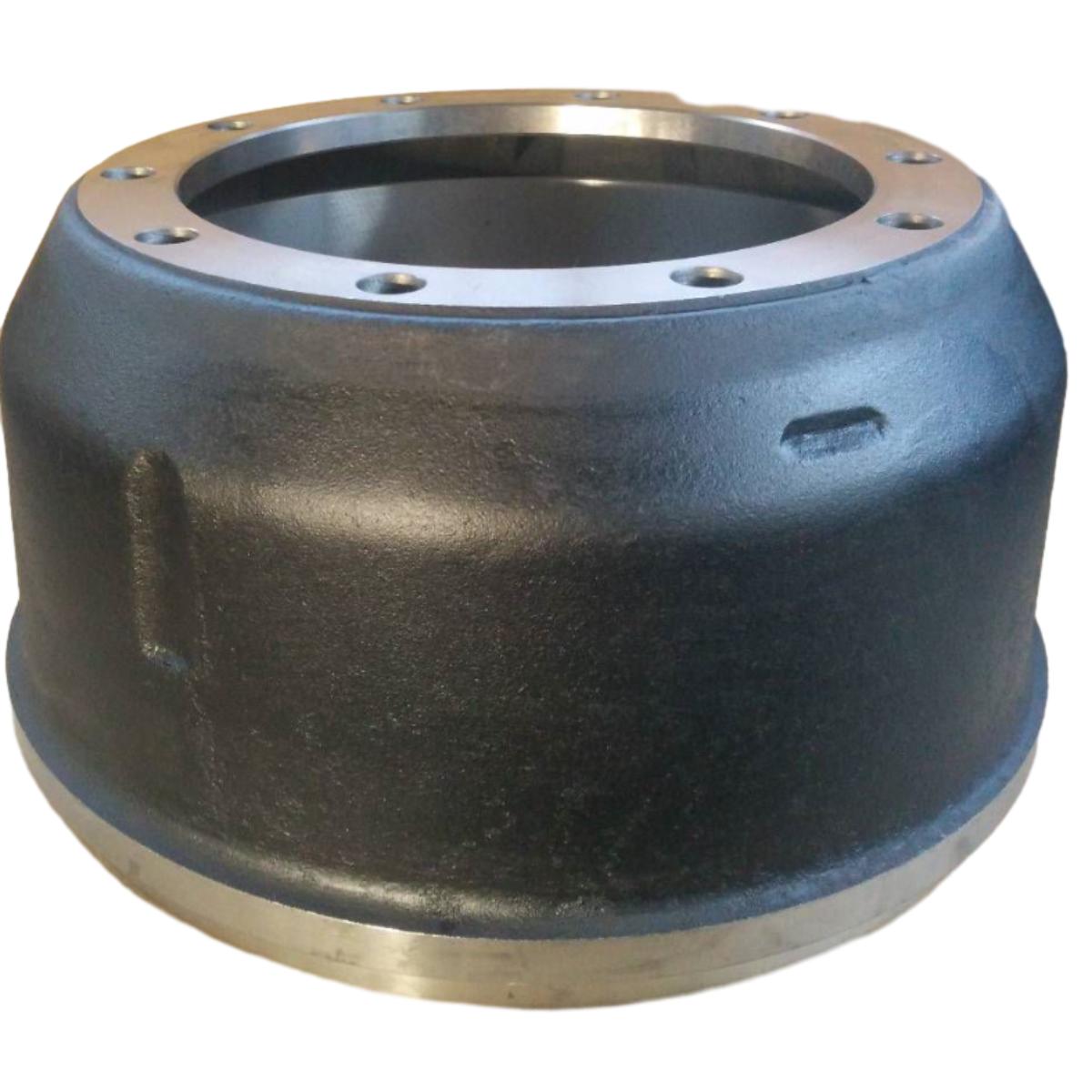
Drum Brakes: The drum itself is typically manufactured from gray cast iron (ASTM A48 Class 30), chosen for its high thermal conductivity and wear resistance. Manufacturing involves casting, followed by machining to precise dimensional tolerances. The brake shoes utilize friction materials bonded to steel backing plates. Common friction material compositions include organic compounds, semi-metallic formulations, and ceramic materials, each offering varying coefficients of friction and fade resistance. The manufacturing of shoes involves material mixing, hot pressing, and bonding processes, with stringent quality control on material homogeneity and bond strength. Disc Brakes: Rotors are commonly made from gray cast iron (FC25 or equivalent to ASTM A48 Class 30) or, in performance applications, carbon ceramic composites. Cast iron rotors are manufactured via casting and machining, while carbon ceramic rotors require complex powder metallurgy and sintering processes. Calipers are typically constructed from aluminum alloy (A356-T6) due to its lightweight properties and high strength. Piston materials are often aluminum alloy or stainless steel. Brake pads utilize similar friction material compositions as drum brake shoes, but are designed for higher operating temperatures and shear stresses. Pad manufacturing parallels that of shoes, focusing on material consistency and adhesion to the backing plate.
Performance & Engineering
Force Analysis: Drum brakes operate on a self-energizing principle, where the frictional force amplifies the braking torque. However, this amplification is sensitive to drum and shoe clearances. Disc brakes rely on direct hydraulic pressure applied to the pistons, creating a more consistent and predictable braking force. The mechanical advantage in disc brakes is more linear. Environmental Resistance: Drum brakes are more susceptible to water and contaminant ingress, leading to reduced friction and potential corrosion. The enclosed design traps moisture and debris, affecting performance. Disc brakes offer superior wet braking performance due to their open design, allowing water to be expelled more readily. However, disc brake components are more exposed to corrosive elements like road salt. Compliance Requirements: Both systems must comply with FMVSS 105 (Federal Motor Vehicle Safety Standards) in the US, and ECE R13 regulations in Europe. These standards specify performance requirements for braking force, stopping distance, and fade resistance. ABS (Anti-lock Braking System) integration is now standard, impacting the hydraulic control units and sensors used in both types of systems. The increasing adoption of regenerative braking in hybrid and electric vehicles poses a unique engineering challenge, requiring careful integration with conventional friction brakes.
Technical Specifications
| Parameter | Rear Drum Brakes | Rear Disc Brakes | Units |
|---|---|---|---|
| Weight | 4 – 7 | 3 – 6 | kg (per side) |
| Cost (approx.) | $50 - $100 | $100 - $300 | USD |
| Heat Dissipation | Poor | Excellent | Qualitative |
| Friction Coefficient (μ) | 0.25 - 0.40 | 0.35 – 0.50 | Dimensionless |
| Stopping Distance (from 60 mph) | 40 – 45 | 35 – 40 | meters |
| Maintenance Frequency | High (shoe replacement, adjustment) | Low (pad replacement, inspection) | Qualitative |
Failure Mode & Maintenance
Drum Brake Failure Modes: Common failures include brake shoe wear, drum warping due to excessive heat, wheel cylinder leaks, and parking brake cable malfunction. Fade, caused by overheating and a reduction in friction coefficient, is a significant concern. Corrosion within the drum assembly can also lead to sticking and reduced braking performance. Disc Brake Failure Modes: Pad wear is the most frequent issue. Rotor warping, often due to uneven heating and cooling, results in pedal pulsation. Caliper piston seizure can occur due to corrosion or debris. Brake line leaks can also cause failure. Maintenance: Drum brakes require periodic inspection and adjustment of shoe clearance. Regular cleaning of the drum interior is necessary to remove debris and prevent corrosion. Disc brakes require inspection of pad wear, rotor condition, and caliper functionality. Brake fluid flushing is crucial to maintain hydraulic system integrity. For both systems, proper lubrication of moving parts is essential. Failure analysis should involve a detailed examination of worn components to identify the root cause of failure, preventing recurrence.
Industry FAQ
Q: What are the primary reasons for the shift from drum brakes to disc brakes in rear applications?
A: The primary drivers are improved heat dissipation, leading to better fade resistance and more consistent braking performance, particularly under demanding conditions. Disc brakes also offer easier maintenance and a more predictable braking feel, fulfilling evolving consumer expectations and regulatory requirements.
Q: How does rotor material influence the performance of disc brakes?
A: Rotor material significantly impacts heat capacity and thermal conductivity. Cast iron rotors are cost-effective but have limited heat capacity. Carbon ceramic rotors offer superior heat capacity and reduced weight but are considerably more expensive and require specialized manufacturing processes.
Q: What are the key challenges associated with maintaining drum brakes in harsh environments (e.g., areas with high salt concentration)?
A: The enclosed design of drum brakes makes them susceptible to corrosion from road salt and moisture ingress. Regular cleaning and inspection are critical to prevent sticking and ensure optimal performance. The use of corrosion-resistant coatings on drum and shoe components can mitigate the problem.
Q: What impact does ABS have on the design and performance of both drum and disc brake systems?
A: ABS requires integration with the brake system through hydraulic control units (HCU) and wheel speed sensors. The HCU modulates brake pressure to prevent wheel lockup. This necessitates precise control and rapid response times from both drum and disc brake components. The ABS algorithms are also tailored to the characteristics of each brake type.
Q: Are there any emerging technologies that could further improve rear braking systems beyond the current drum and disc configurations?
A: Electro-mechanical brakes (EMB) represent a potential future technology, offering faster response times, improved control, and reduced weight by eliminating the hydraulic system. Brake-by-wire systems, coupled with advanced sensors and control algorithms, are also being explored to enhance braking performance and safety.
Conclusion
The selection between rear drum and disc brakes represents a complex engineering trade-off, heavily influenced by vehicle application, cost constraints, and performance objectives. While drum brakes offer a cost-effective solution for less demanding applications, disc brakes provide superior performance, enhanced safety, and easier maintenance, making them the dominant choice in modern vehicles. Understanding the material science, manufacturing intricacies, and failure modes of each system is crucial for ensuring reliable and efficient braking performance.
The industry is continually evolving, with emerging technologies like electro-mechanical brakes poised to revolutionize braking systems. Focusing on advancements in friction materials, rotor designs, and hydraulic control systems will continue to drive improvements in braking performance and safety. Maintaining adherence to stringent industry standards and incorporating robust failure analysis protocols are essential for ensuring the long-term reliability of rear braking systems.