
Introduction
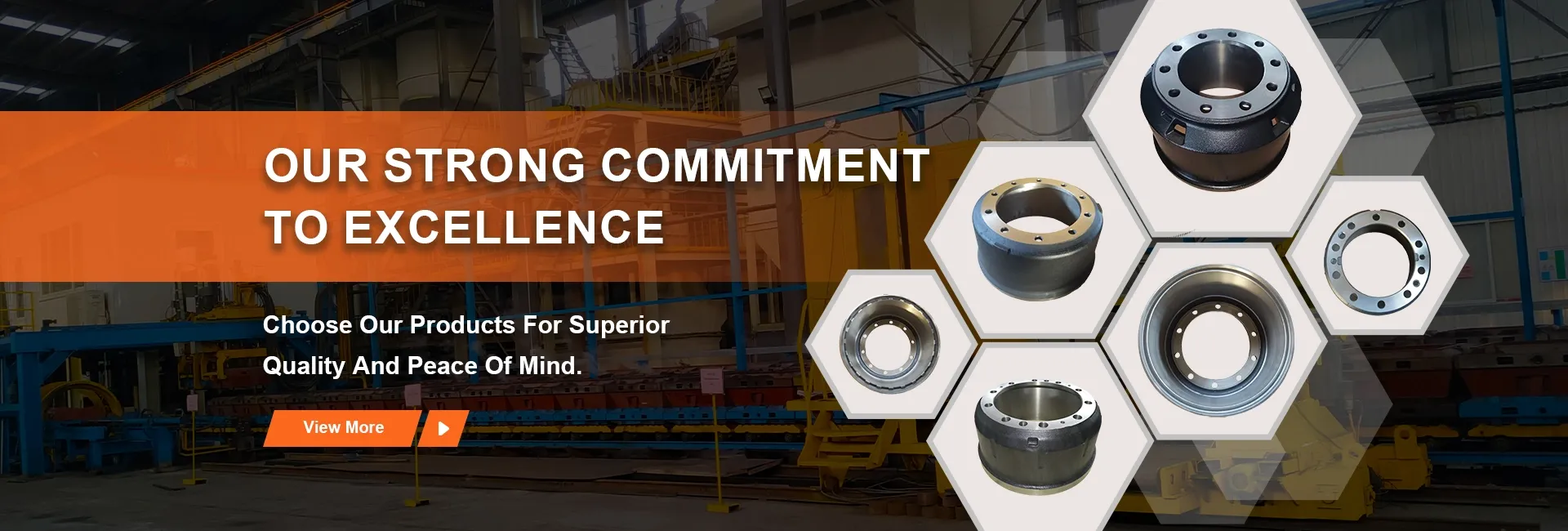
Rear drum brakes represent a foundational braking technology in automotive engineering, historically prevalent and still utilized in numerous vehicle applications, particularly on rear axles. This technical guide provides a comprehensive overview of rear drum brake systems, encompassing material science, manufacturing processes, performance engineering, potential failure modes, and relevant industry standards. While disc brakes have gained prominence due to their superior heat dissipation characteristics, drum brakes offer advantages in cost-effectiveness, self-energizing action, and inherent parking brake integration. Understanding the intricacies of drum brake design and function is crucial for automotive engineers, maintenance personnel, and procurement specialists tasked with vehicle development, repair, and component sourcing. Core performance characteristics include braking torque output, fade resistance, and service life duration – all critically dependent on component materials, precision manufacturing, and proper maintenance. The industry currently faces challenges in balancing cost optimization with the demands for improved braking performance and reduced environmental impact, driving research into advanced friction materials and optimized drum/shoe designs.
Material Science & Manufacturing
The core components of a rear drum brake system—the drum itself, the brake shoes, and the friction lining—each necessitate specific material properties and manufacturing techniques. Brake drums are commonly constructed from gray cast iron due to its high thermal conductivity, wear resistance, and relatively low cost. The cast iron composition typically ranges from 2.5% to 4% carbon, with silicon, manganese, and sulfur also contributing to its mechanical properties. Manufacturing involves sand casting, followed by machining to achieve precise inner and outer diameters, and surface finishing to minimize runout. Brake shoes are generally formed from pressed steel, offering structural rigidity. However, the critical element is the friction lining bonded to the shoe. These linings historically utilized asbestos, but current regulations mandate asbestos-free formulations. Materials now commonly include semi-metallic compounds (iron powder, copper fibers, graphite), organic compounds (phenolic resins, rubber), and ceramic materials. The selection of lining material significantly impacts friction coefficient, wear rate, and noise characteristics. Bonding the lining to the shoe typically involves high-temperature, high-pressure molding processes, ensuring a robust mechanical and thermal bond. Critical process parameters include resin cure temperature, bonding pressure, and surface preparation of both the shoe and lining materials. Quality control involves dimensional inspection, bond strength testing, and material composition analysis to ensure adherence to specified standards. Further advancements include surface coating of the drum to improve corrosion resistance and reduce friction noise.

Performance & Engineering
The performance of a rear drum brake system is governed by several key engineering principles. The self-energizing effect is a crucial characteristic, wherein the frictional force between the shoe and drum generates a rotational force that aids in applying greater braking force. This effect is maximized when the leading shoe (the shoe that rotates in the same direction as the drum) receives the majority of the braking load. Force analysis involves calculating the braking torque generated based on the coefficient of friction, the contact area between the shoes and drum, and the applied hydraulic pressure. Environmental resistance is a significant concern, particularly corrosion due to exposure to road salts and moisture. Protective coatings, such as zinc phosphate or powder coating, are applied to drum and shoe components to mitigate corrosion. Compliance requirements dictate adherence to specific braking performance standards, including stopping distance tests, fade resistance tests, and emergency braking tests. The hydraulic system, comprising the master cylinder, wheel cylinders, and brake lines, must maintain precise pressure control and leak-free operation. The adjustment mechanism, which compensates for shoe wear, is vital for maintaining consistent braking performance. Engineering tolerances for drum runout, shoe-to-drum clearance, and hydraulic pressure must be tightly controlled to prevent brake noise, pulsation, and uneven wear. Furthermore, the thermal capacity of the drum plays a vital role in resisting brake fade, where repeated braking applications lead to a reduction in braking force due to elevated drum temperatures.
Technical Specifications
| Parameter | Typical Value (Passenger Vehicle) | Unit | Test Standard |
|---|---|---|---|
| Drum Diameter | 203 | mm | ISO 2660 |
| Drum Width | 50 | mm | ISO 2660 |
| Friction Lining Material | Semi-Metallic | - | SAE J866 |
| Coefficient of Friction (μ) | 0.35 – 0.45 | - | FMVSS 130 |
| Hydraulic Pressure (Max) | 1.7 – 2.0 | MPa | ISO 3601 |
| Shoe Width | 30 – 40 | mm | - |
Failure Mode & Maintenance
Rear drum brake systems are susceptible to several failure modes. Fade, as previously mentioned, occurs due to excessive heat buildup, reducing the friction coefficient. This is exacerbated by aggressive braking or prolonged downhill driving. Leading to overheating, potentially causing drum warping and shoe delamination. Another common failure is brake shoe wear, resulting in reduced braking effectiveness and increased stopping distances. Uneven wear can occur due to improper adjustment, contaminated friction material (grease, oil), or a sticking wheel cylinder. Corrosion, particularly in areas exposed to road salts, can lead to cylinder piston seizure and brake line failure. Cracking of the brake drum, often originating from thermal stress or impact damage, represents a critical failure mode requiring immediate replacement. Maintenance procedures include regular inspection of shoe thickness, drum runout, wheel cylinder operation, and brake line integrity. Periodic adjustment of the self-adjuster mechanism is essential to maintain proper shoe-to-drum clearance. Lubrication of moving parts (wheel cylinder pistons, adjuster mechanism) with appropriate brake grease prevents corrosion and sticking. Resurfacing of the drum (within specified limits) can restore braking performance if the surface is scored or glazed. Complete brake service should include flushing the brake fluid to remove contaminants and ensure optimal hydraulic pressure. Preventative maintenance, including diligent inspection and prompt repair of minor issues, significantly extends the service life and enhances the safety of the brake system.
Industry FAQ
Q: What is the primary advantage of drum brakes over disc brakes in certain applications?
A: The primary advantage lies in cost-effectiveness and integrated parking brake functionality. Drum brakes generally require less complex components and manufacturing processes, resulting in lower production costs. Furthermore, the inherent design of drum brakes allows for easy integration of a mechanical parking brake mechanism within the drum assembly itself, eliminating the need for a separate parking brake system.
Q: How does the material composition of the friction lining affect brake performance?
A: The friction lining’s composition dictates the coefficient of friction, wear rate, and noise characteristics. Semi-metallic linings offer high friction and good heat dissipation, but can be noisy and abrasive to the drum. Organic linings are quieter and produce less dust, but have lower friction and heat resistance. Ceramic linings provide a balance between these properties, offering good friction, low noise, and reduced dust.
Q: What are the key indicators of a failing wheel cylinder?
A: Key indicators include fluid leaks around the cylinder, spongy brake pedal feel, uneven brake application (pulling to one side), and difficulty releasing the brakes. A seized wheel cylinder will prevent the shoes from retracting, causing drag and overheating.
Q: How does drum runout impact braking performance and what are acceptable tolerances?
A: Excessive drum runout causes brake pedal pulsation and uneven shoe contact, reducing braking effectiveness and accelerating wear. Acceptable tolerances typically range from 0.025mm to 0.05mm, as specified by vehicle manufacturers and industry standards like ISO 2660.
Q: What proactive measures can be taken to prevent corrosion in drum brake systems?
A: Proactive measures include applying corrosion-resistant coatings (zinc phosphate, powder coating) to drum and shoe components, regularly cleaning the system to remove road salts and contaminants, and ensuring proper sealing of brake lines and wheel cylinders to prevent moisture ingress. Using brake fluid with corrosion inhibitors is also beneficial.
Conclusion
Rear drum brake systems, despite advancements in disc brake technology, remain a significant component of automotive braking systems, especially in specific applications requiring cost-effectiveness and integrated parking brake functionality. A thorough understanding of the material science governing drum and shoe construction, coupled with precise manufacturing control and diligent maintenance practices, is essential for ensuring optimal performance, longevity, and safety.
Future development in drum brake technology will likely focus on optimizing friction materials for improved performance and reduced environmental impact, exploring advanced surface treatments to enhance corrosion resistance and reduce noise, and incorporating intelligent monitoring systems for predictive maintenance. Continuous improvement in these areas will ensure that drum brakes remain a viable and reliable braking solution for years to come.