
Introduction
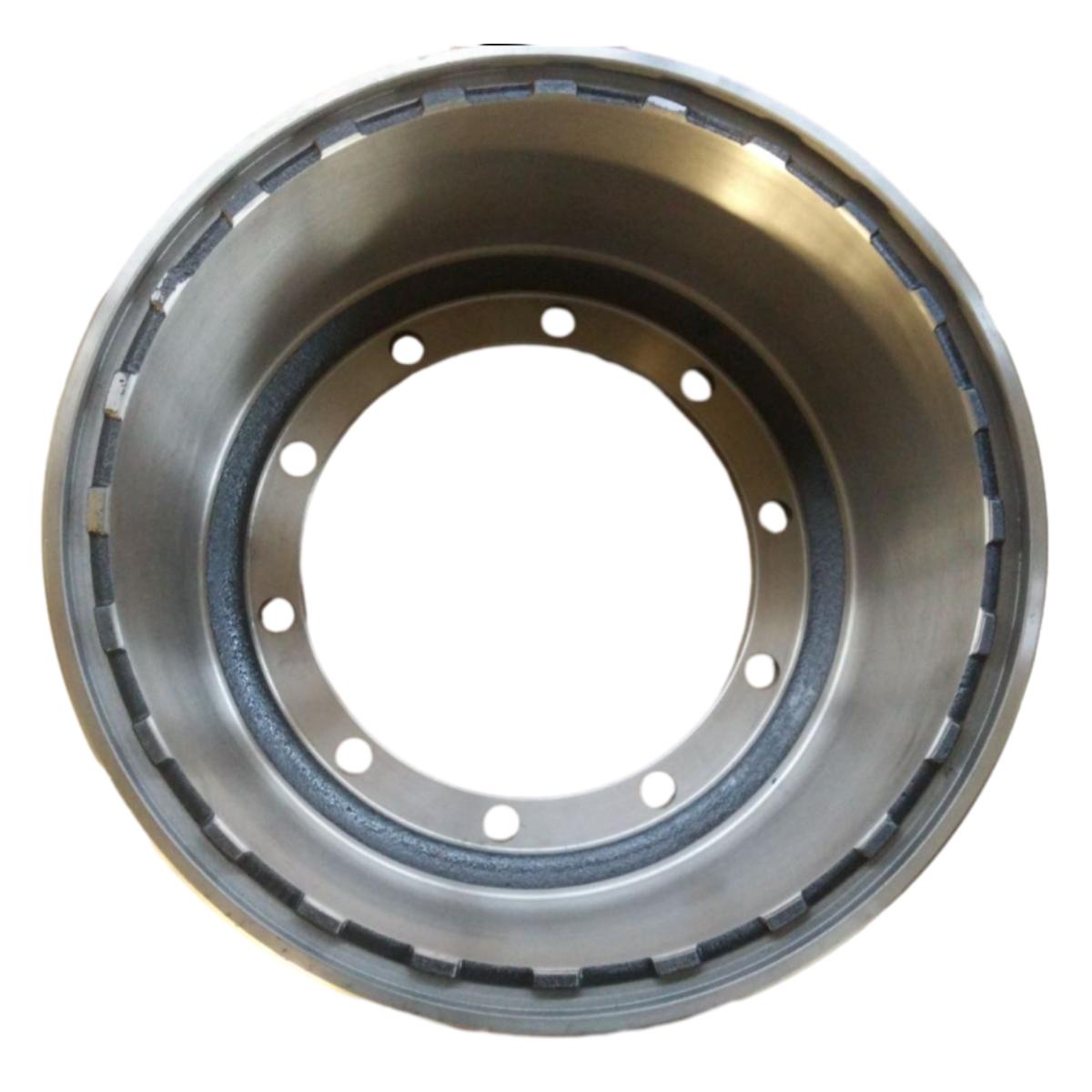
Brake drum bolts are critical fastening components within automotive and heavy-duty braking systems, specifically securing the brake drum to the brake backing plate. Their technical position lies within the realm of high-stress fastener technology, requiring precise engineering to withstand significant shear and tensile forces generated during braking events. These bolts are not typically load-bearing in a static sense, but rather endure dynamic cyclical loading. Core performance characteristics include shear strength, tensile strength, fatigue resistance, and corrosion protection. The industry frequently encounters issues related to bolt elongation under repeated stress, corrosion-induced seizing, and material defects leading to premature failure. Understanding these nuances is essential for ensuring braking system reliability and vehicle safety.
Material Science & Manufacturing
The predominant material for brake drum bolts is medium carbon steel, typically SAE Grade 5 or Grade 8 (equivalent to property class 8.8 or 10.9 in metric systems). The steel composition balances cost-effectiveness with required mechanical properties. Key elements include carbon (0.25-0.35%), manganese (0.60-0.90%), silicon (0.15-0.30%), and traces of phosphorus and sulfur. Heat treatment is paramount. After cold forming (typically cold heading or machining), bolts undergo hardening and tempering processes. Hardening, achieved through quenching and tempering, increases tensile strength and yield strength. Tempering refines the microstructure, improving ductility and toughness, mitigating brittleness. Surface treatments such as phosphate coating or zinc plating provide corrosion resistance. Manufacturing processes involve several critical parameters: cold forming pressure must be precisely controlled to avoid material defects; quenching medium and temperature must be regulated to achieve desired hardness; and tempering temperature directly affects toughness and stress resistance. Failure to control these parameters can lead to micro-cracking, insufficient hardening, or excessive brittleness. Alternative materials, though less common due to cost, include alloy steels offering improved strength and corrosion resistance, and occasionally stainless steel in particularly corrosive environments.
Performance & Engineering
Brake drum bolt performance is dictated by several engineering considerations. Force analysis centers on shear stress imposed by the drum's weight and rotational forces, and tensile stress arising from vibrational loads and thermal expansion/contraction. Finite Element Analysis (FEA) is employed to model stress distribution and optimize bolt geometry to minimize stress concentrations. Environmental resistance is crucial; exposure to road salt, moisture, and temperature fluctuations promotes corrosion. Corrosion not only weakens the bolt but can also lead to seizing within the backing plate, complicating maintenance. Engineering designs often incorporate prevailing torque features like nylon inserts or deformed threads to resist loosening due to vibration. Compliance requirements vary by region but generally adhere to industry standards like SAE J429 (for automotive fasteners) and ISO 898-1 (general technical requirements for fasteners). Material selection is intrinsically tied to fatigue life, as brake drum bolts undergo cyclical loading throughout the vehicle’s lifespan. Proper preload (tightening torque) is essential. Insufficient preload can lead to joint slippage and increased fatigue stress, while excessive preload can result in bolt yielding or failure. Regular inspection and torque verification are critical maintenance procedures.
Technical Specifications
| Diameter (mm) | Length (mm) | Material Grade | Tensile Strength (MPa) |
|---|---|---|---|
| 8 | 30 | SAE Grade 5 / 8.8 | 830 |
| 10 | 40 | SAE Grade 8 / 10.9 | 930 |
| 12 | 50 | SAE Grade 8 / 10.9 | 930 |
| 14 | 60 | SAE Grade 8 / 10.9 | 930 |
| 8 | 40 | SAE Grade 5 / 8.8 | 830 |
| 10 | 50 | SAE Grade 8 / 10.9 | 930 |
Failure Mode & Maintenance
Common failure modes for brake drum bolts include fatigue cracking, particularly at the thread root due to cyclical loading. Corrosion-induced failure is also prevalent, leading to weakened bolts and seizing. Shear failure can occur under extreme braking conditions, especially if the bolt is compromised by corrosion or material defects. Hydrogen embrittlement, arising from the interaction of steel with atmospheric hydrogen (especially in humid environments) can lead to brittle fracture. Failure analysis typically involves fractography (examining the fracture surface) to determine the initiating crack location and failure mechanism. Maintenance strategies include regular torque checks (using a calibrated torque wrench) to ensure proper preload. Visual inspection for signs of corrosion or damage is crucial. Lubricating the bolt threads during installation and periodic re-torqueing can mitigate seizing. If corrosion is detected, bolt replacement is recommended. Preventive maintenance programs should incorporate bolt inspection and torque verification as standard procedures. Replacement bolts must conform to the original equipment manufacturer's specifications regarding material grade, dimensions, and surface treatment. A thorough examination of the brake backing plate's bolt holes is also important to identify any signs of deformation or damage.
Industry FAQ
Q: What is the impact of using a lower grade bolt than specified by the OEM?
A: Using a lower grade bolt significantly compromises braking system safety. Lower grade bolts have reduced tensile strength and yield strength, making them more susceptible to fatigue failure and shear failure under braking loads. This can lead to brake drum detachment, resulting in loss of braking control and potentially catastrophic accidents. Always adhere to the OEM-specified bolt grade.
Q: How does galvanic corrosion affect brake drum bolts?
A: Galvanic corrosion occurs when dissimilar metals (e.g., steel bolt and aluminum brake drum) are in contact in the presence of an electrolyte (road salt, moisture). The more active metal (typically the bolt) corrodes preferentially. This corrosion weakens the bolt and can lead to seizing. Protective coatings (zinc plating, phosphate coating) and the use of compatible materials can mitigate galvanic corrosion.
Q: What torque value should be used for brake drum bolt installation?
A: Torque values are crucial. Refer to the vehicle’s service manual for the specific torque specification for the brake drum bolts. Using an incorrect torque value can lead to either bolt loosening (under-torque) or bolt yielding/failure (over-torque). Always use a calibrated torque wrench.
Q: Can the use of anti-seize compound on brake drum bolts be recommended?
A: Anti-seize compound application is generally not recommended for brake drum bolts. While it can prevent seizing, it can also alter the friction characteristics of the bolt, leading to inaccurate torque readings and potentially loosening. If an anti-seize compound is used, it must be specifically designed for use with fasteners and the torque specification must be adjusted accordingly (typically reduced by 10-20%).
Q: How often should brake drum bolts be inspected for fatigue cracking?
A: Brake drum bolts should be visually inspected for fatigue cracking during routine brake system maintenance, typically every 6-12 months or as dictated by the vehicle’s service schedule. More frequent inspections are recommended for vehicles operating in harsh conditions (e.g., frequent exposure to road salt, heavy use).
Conclusion
Brake drum bolts, while seemingly simple components, are critical to braking system safety and performance. Their functionality hinges on precise material selection, rigorous manufacturing control, and proper installation and maintenance practices. Failure to address these aspects can lead to premature failure, reduced braking efficiency, and potentially hazardous situations.
Future developments may focus on advanced materials (e.g., high-strength alloy steels, composite materials) and innovative surface treatments to enhance corrosion resistance and fatigue life. The integration of smart fasteners with embedded sensors capable of monitoring bolt preload and detecting corrosion could also revolutionize brake system maintenance, enabling predictive maintenance and minimizing the risk of catastrophic failure.