
Introduction
The 89996b brake drum cross reference designates a specific component within the braking systems of heavy-duty vehicles, primarily commercial trucks and trailers. It represents a critical element in converting kinetic energy into thermal energy through friction, ultimately decelerating or stopping the vehicle. This guide provides an in-depth technical analysis of the 89996b drum, encompassing material science, manufacturing processes, performance characteristics, failure modes, and relevant industry standards. Brake drums, historically manufactured from cast iron, are increasingly utilizing alternative materials to address demands for weight reduction and enhanced thermal management. The 89996b designation is frequently used as a cross-reference point for compatible drums across different manufacturers, simplifying parts sourcing and logistics. Core performance parameters include thermal conductivity, wear resistance, tensile strength, and dimensional stability under high operating temperatures and stresses. A primary industry pain point relates to inconsistent material quality across suppliers, leading to premature failure and increased maintenance costs. Understanding the intricacies of the 89996b specification is paramount for engineers, procurement managers, and maintenance personnel within the commercial vehicle sector.
Material Science & Manufacturing
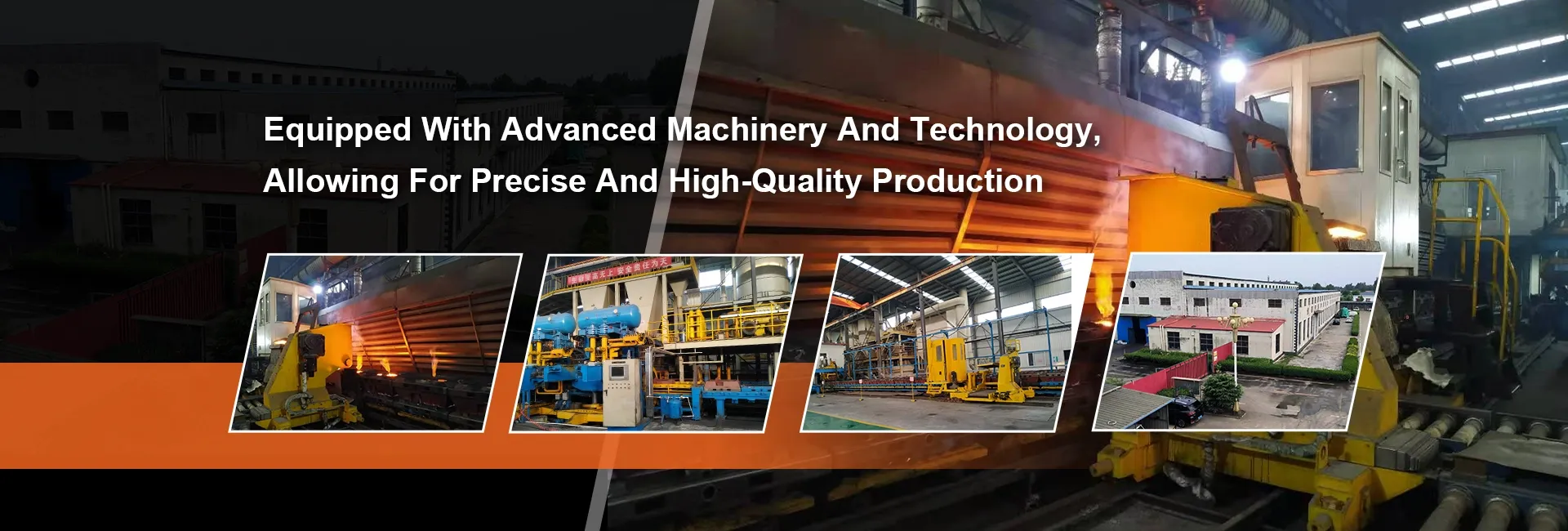
The predominant material for the 89996b brake drum is grey cast iron (typically ASTM A48 Class 30), chosen for its cost-effectiveness, excellent damping characteristics, and established wear resistance. Chemical composition typically includes 2.5-4.0% Carbon, 1.2-2.5% Silicon, 0.8-1.5% Manganese, and trace amounts of Sulfur and Phosphorus. Increasingly, ductile cast iron (ASTM A48 Class 40-50) is employed, offering superior tensile strength and impact resistance. Alternative materials, such as steel alloyed with chromium and molybdenum, provide enhanced thermal conductivity for heavy-duty applications. The manufacturing process typically involves sand casting. Molten iron is poured into a precisely engineered mold created from sand mixed with a binder. Critical parameters during casting include pouring temperature (1250-1350°C), cooling rate, and sand composition. Controlled cooling minimizes residual stresses and ensures uniform grain structure. Machining operations follow casting to achieve precise dimensions and smooth braking surfaces. This involves turning, milling, and grinding. Key parameters here are cutting speed, feed rate, and coolant application to prevent thermal distortion and maintain surface finish. Post-machining, drums undergo quality control inspection, including dimensional checks, hardness testing (Brinell or Rockwell), and non-destructive testing (NDT) such as magnetic particle inspection to detect surface cracks or porosity. Heat treatment, such as annealing, is sometimes applied to relieve stresses and improve machinability. Chemical compatibility with brake lining materials (organic, semi-metallic, or ceramic) is a crucial consideration, with potential for galvanic corrosion if incompatible materials are used.

Performance & Engineering
Performance of the 89996b brake drum is governed by several key engineering principles. Thermal management is paramount; repeated braking generates significant heat, and efficient dissipation is crucial to prevent brake fade (reduction in braking efficiency due to overheating). Thermal conductivity of the drum material directly impacts heat transfer rate. Finite element analysis (FEA) is commonly used to model thermal stress distribution and optimize drum geometry for improved cooling. Structural integrity is another critical factor. Drums are subjected to high radial and axial forces during braking. Tensile strength, yield strength, and fatigue resistance of the material determine its ability to withstand these stresses. Force analysis considers factors such as brake shoe pressure, drum rotation speed, and vehicle weight. Compliance with SAE J10 standards for braking system performance is essential. Engineering considerations also include drum eccentricity (out-of-roundness), which can cause brake squeal and uneven wear. Precise machining and quality control are vital to minimize eccentricity. Brake drum venting (presence of fins or internal channels) enhances convective heat transfer. The design of these vents must balance cooling efficiency with structural integrity. Material selection impacts coefficient of friction when interacting with brake linings, influencing stopping distances and overall braking performance. Environmental resistance, particularly to road salts and moisture, is critical for preventing corrosion and ensuring long-term durability. Coatings, such as zinc phosphate, are often applied to enhance corrosion protection.
Technical Specifications
| Parameter | Units | Typical Value (Grey Cast Iron) | Typical Value (Ductile Cast Iron) |
|---|---|---|---|
| Diameter | mm | 397 | 397 |
| Width | mm | 76.2 | 76.2 |
| Material | - | ASTM A48 Class 30 | ASTM A48 Class 40-50 |
| Tensile Strength | MPa | 205-310 | 400-550 |
| Hardness (Brinell) | HB | 180-240 | 200-280 |
| Thermal Conductivity | W/m·K | 45-55 | 50-60 |
Failure Mode & Maintenance
Common failure modes for the 89996b brake drum include thermal cracking, spalling, and wear. Thermal cracking arises from repeated thermal cycling and can initiate from stress concentrations, such as around bolt holes or cooling fins. Spalling is the chipping or flaking of the drum surface, often caused by impact or fatigue. Wear occurs due to friction between the drum and brake shoes/linings. Excessive wear reduces drum thickness and compromises braking performance. Fatigue cracking can occur from cyclical loading and is often accelerated by pre-existing defects. Corrosion, particularly pitting corrosion from road salts, can weaken the drum and initiate cracks. Improper installation, such as over-tightening wheel bolts, can induce stress and contribute to premature failure. Maintenance procedures include regular visual inspection for cracks, spalling, and excessive wear. Drum thickness should be measured periodically to ensure it remains within specified limits. Wheel bearings should be inspected and maintained to prevent misalignment and uneven wear. Brake shoes/linings should be inspected for wear and replaced as needed. Resurfacing of the drum is possible to remove minor surface irregularities, but excessive resurfacing reduces drum thickness. Proper lubrication of mating surfaces is essential to prevent corrosion and ensure smooth operation. Following manufacturer’s recommended maintenance schedules is crucial for maximizing brake drum life and ensuring safety. Avoid harsh cleaning chemicals that can compromise material integrity.
Industry FAQ
Q: What is the typical service life of an 89996b brake drum in long-haul trucking applications?
A: The service life varies significantly based on operating conditions, vehicle weight, driver behavior, and maintenance practices. However, a typical range is between 100,000 to 250,000 miles. Regular inspections and adherence to maintenance schedules are crucial to maximizing lifespan. Severe duty applications (e.g., mountainous terrain, heavy loads) will result in shorter service life.
Q: How does the choice of brake lining material affect the wear rate of the 89996b drum?
A: Harder brake lining materials generally result in faster drum wear, while softer linings tend to wear the drum more slowly but may have lower friction coefficients. Matching the brake lining material to the drum material is essential to optimize performance and minimize wear. Semi-metallic linings are commonly used for heavy-duty applications, offering a balance of friction and wear characteristics.
Q: What are the key indicators that an 89996b brake drum needs to be replaced?
A: Key indicators include drum thickness below the manufacturer’s minimum specification, significant cracking, excessive spalling, severe corrosion, and noticeable eccentricity (out-of-roundness). Any evidence of heat checking or distortion also warrants immediate replacement.
Q: What is the impact of improper wheel bearing adjustment on brake drum life?
A: Improper wheel bearing adjustment, whether too tight or too loose, can significantly reduce brake drum life. Loose bearings cause wheel wobble and uneven brake application, leading to localized wear. Tight bearings generate excessive heat and can cause drum warping and premature failure.
Q: Can brake drums be effectively repaired through machining or resurfacing?
A: Brake drums can be resurfaced to remove minor surface irregularities and restore a smooth braking surface. However, each resurfacing operation removes material, reducing drum thickness. There is a minimum allowable thickness specified by the manufacturer. Exceeding the maximum number of resurfacing operations or reducing the drum below the minimum thickness renders it unsafe and requires replacement.
Conclusion
The 89996b brake drum cross reference represents a critical component in commercial vehicle safety and performance. Understanding the intricacies of its material science, manufacturing processes, and engineering principles is essential for ensuring reliability and minimizing lifecycle costs. The transition towards lighter materials and optimized designs continues to drive innovation in brake drum technology, aiming to enhance thermal management and improve braking efficiency.
Effective maintenance practices, including regular inspections, proper lubrication, and timely replacement of worn components, are paramount for maximizing brake drum service life. Adherence to relevant industry standards and manufacturer’s recommendations is crucial for maintaining safety and preventing catastrophic failures. Continued research and development in materials science and braking system design will further enhance the performance and durability of brake drums in the years to come.