
Introduction
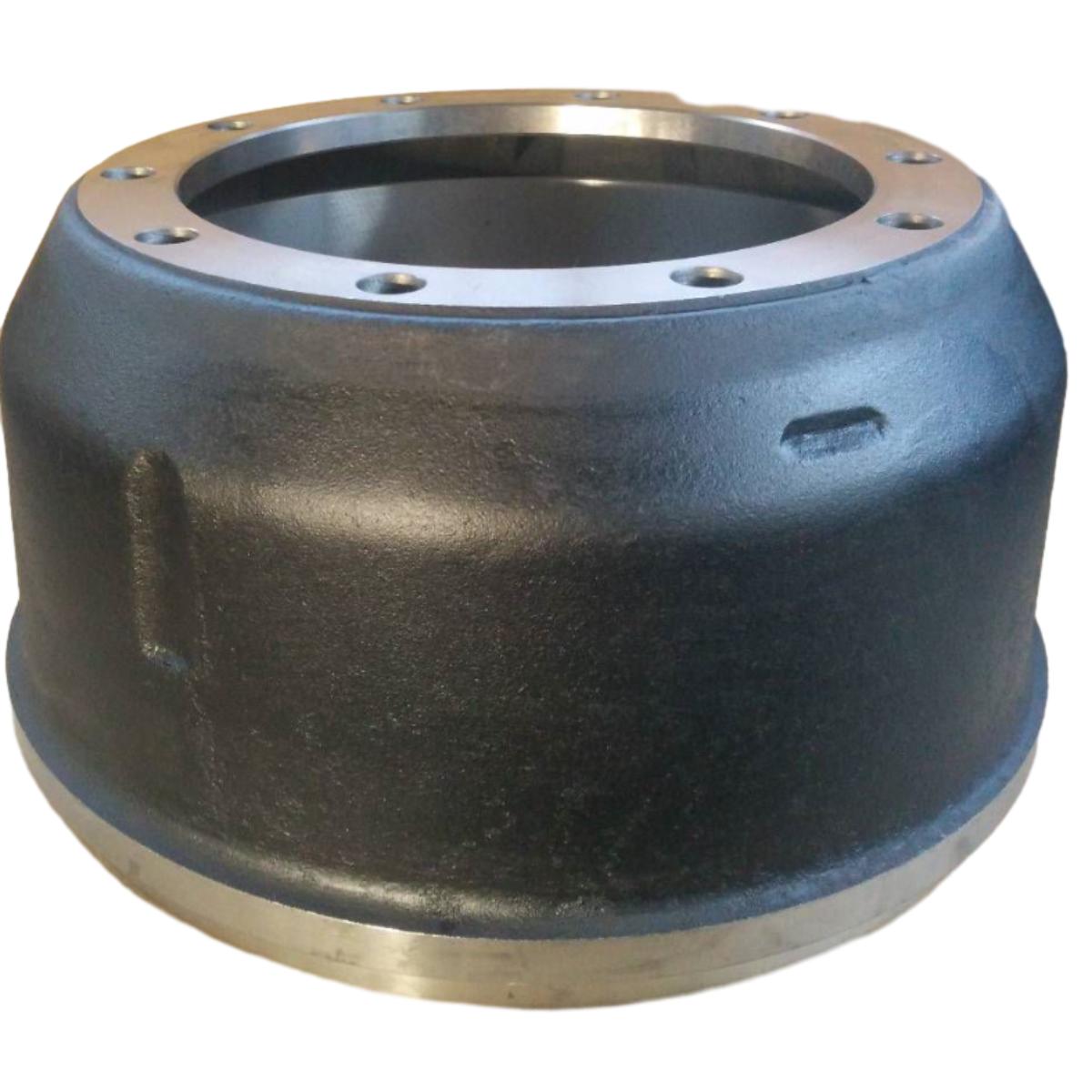
Painted drum brakes are a crucial component of the braking systems in numerous automotive and industrial applications. Functionally, they utilize friction created by brake shoes pressing against the inner surface of a rotating drum to decelerate or halt motion. The 'painted' aspect refers to the corrosion-resistant coating applied to the cast iron or steel drum itself, a critical step in extending service life and maintaining braking performance. Within the industry chain, drum brakes represent a mature, cost-effective solution, often positioned as an alternative to disc brake systems, particularly in heavier-duty applications or where cost sensitivity is paramount. Core performance characteristics include braking torque, fade resistance (the loss of braking power due to heat), and service life, all heavily influenced by the material composition of the drum, the quality of the paint coating, and operating conditions. A key industry pain point lies in balancing cost with longevity; thinner, less robust drums and lower-quality coatings lead to premature failure and increased maintenance demands.
Material Science & Manufacturing
The primary material for drum brake drums is typically gray cast iron, chosen for its excellent heat absorption, wear resistance, and machinability. The chemical composition generally consists of iron, carbon (2.5-4.0%), silicon (1.8-3.2%), manganese (0.6-1.2%), sulfur (0.08-0.20%), and phosphorus (0.05-0.40%). The graphite flakes within the cast iron matrix contribute to its damping properties and reduce noise. Alternative materials, like ductile cast iron (with spheroidal graphite) and steel alloys, are used in high-performance or specialized applications requiring greater strength and ductility. Manufacturing begins with patternmaking and mold creation, followed by casting. After casting, the drums undergo machining to achieve precise dimensions and surface finish. The critical process of painting involves multiple stages: cleaning (degreasing, phosphate coating for enhanced adhesion), primer application (typically an epoxy-based primer), and topcoat application (often a polyurethane or acrylic-based paint). Parameter control during painting includes maintaining optimal coating thickness (typically 80-120 micrometers), ensuring uniform coverage, and curing the paint at a specific temperature and duration to achieve full hardness and corrosion resistance. Paint adhesion is paramount, and failure to properly prepare the surface leads to premature paint failure and corrosion.

Performance & Engineering
Performance of painted drum brakes is fundamentally governed by the tribological interaction between the brake shoes and the drum's inner surface. Force analysis centers on calculating the braking torque (T = F r, where F is the friction force and r is the drum radius). Engineering considerations include heat dissipation, which is crucial to prevent brake fade. The cast iron drum acts as a heat sink, absorbing energy generated by friction. The paint coating, while providing corrosion protection, adds a thermal resistance layer which can slightly reduce heat dissipation. Environmental resistance is another key factor; prolonged exposure to salt, moisture, and temperature fluctuations can accelerate corrosion and degrade the paint coating. Compliance requirements vary by region, with standards focusing on braking performance, material composition, and environmental impact. Finite element analysis (FEA) is often used during the design phase to optimize drum geometry and ensure structural integrity under extreme loading conditions. The design must account for thermal stresses induced by heating and cooling cycles, as well as centrifugal forces during rotation. Proper drum eccentricity and runout are critical to ensuring even contact between the shoes and the drum surface.
Technical Specifications
| Drum Diameter (mm) | Drum Width (mm) | Material | Paint Coating Type | Minimum Coating Thickness (µm) | Maximum Operating Temperature (°C) |
|---|---|---|---|---|---|
| 203 | 40 | Gray Cast Iron (GGG40) | Epoxy Primer / Polyurethane Topcoat | 100 | 350 |
| 228 | 50 | Gray Cast Iron (GGG50) | Phosphate Pre-treatment / Acrylic Topcoat | 80 | 300 |
| 280 | 60 | Ductile Cast Iron (QT500-7) | Epoxy Primer / Polyurethane Topcoat | 120 | 400 |
| 320 | 70 | Steel Alloy (42CrMo4) | Zinc Phosphate / Epoxy-Polyester Topcoat | 90 | 450 |
| 240 | 45 | Gray Cast Iron (GGG45) | Electrodeposition Primer / Acrylic Topcoat | 75 | 320 |
| 260 | 55 | Gray Cast Iron (GGG55) | Zinc Phosphate / Epoxy Primer / Polyurethane Topcoat | 110 | 380 |
Failure Mode & Maintenance
Common failure modes for painted drum brakes include: 1) Corrosion – particularly at the edges of the drum and areas where the paint is chipped or scratched. This leads to rust formation, reducing drum diameter and compromising braking performance. 2) Cracking – induced by thermal fatigue (repeated heating and cooling cycles) and mechanical stress. Cracks can propagate rapidly, leading to catastrophic failure. 3) Delamination – the separation of the paint coating from the substrate due to poor adhesion, often caused by inadequate surface preparation. 4) Wear – gradual material loss due to friction between the brake shoes and the drum. 5) Distortion - caused by excessive heat or uneven cooling, leading to runout and brake noise. Preventative maintenance involves regular inspection for corrosion, cracks, and wear. Surface rust can be removed and the area repainted. If cracking is detected, the drum should be replaced immediately. Periodic cleaning of the drum surface to remove brake dust and debris is also recommended. Lubrication of the brake shoe pivot points ensures smooth operation and prevents uneven wear. Avoid aggressive driving habits that induce excessive heat buildup, as this accelerates wear and increases the risk of thermal fatigue.
Industry FAQ
Q: What is the primary reason for painting drum brakes, given the inherent corrosion resistance of cast iron?
A: While cast iron possesses some inherent corrosion resistance, it's insufficient for long-term exposure to harsh environmental conditions (salt, moisture, road chemicals). The paint coating acts as a barrier, preventing the formation of rust, which can significantly reduce drum diameter, degrade braking performance, and lead to premature failure. The paint extends the drum’s service life and maintains consistent braking characteristics.
Q: How does the choice of paint coating affect the drum's performance in high-temperature applications?
A: The paint coating introduces a thermal resistance layer. Higher quality coatings, such as polyurethane, generally have better temperature resistance and maintain their integrity at elevated temperatures. However, any coating will slightly impede heat dissipation compared to an uncoated surface. Engineers must balance corrosion protection with thermal management when selecting a coating.
Q: What surface preparation techniques are critical for ensuring optimal paint adhesion to drum brakes?
A: Proper surface preparation is paramount. This typically involves degreasing to remove oils and contaminants, followed by a phosphate coating (zinc or manganese phosphate) to create a chemically bonded layer that promotes paint adhesion. Sandblasting or abrasive blasting can also be used to create a rough surface profile for better mechanical interlocking. Insufficient preparation leads to delamination and premature coating failure.
Q: Are there specific paint formulations recommended for drum brakes exposed to marine environments?
A: For marine environments, highly corrosion-resistant coatings are essential. Epoxy-based coatings with high solids content and enhanced salt spray resistance are commonly recommended. Multi-layer systems, including a zinc-rich primer, an epoxy intermediate coat, and a polyurethane topcoat, offer superior protection against saltwater corrosion.
Q: How can we assess the quality and durability of a painted drum brake coating?
A: Coating quality can be assessed using various methods, including visual inspection for defects (chips, scratches, blisters), adhesion testing (cross-cut tape test), coating thickness measurement (using a magnetic or eddy current gauge), and salt spray testing (ASTM B117) to evaluate corrosion resistance. Impact resistance and flexibility testing can also be performed to assess the coating’s ability to withstand mechanical stress.
Conclusion
Painted drum brakes remain a viable and cost-effective braking solution in numerous applications, providing reliable stopping power when properly designed, manufactured, and maintained. The key to maximizing performance and longevity lies in a holistic approach encompassing material selection, meticulous manufacturing processes (particularly surface preparation and paint application), and proactive maintenance strategies. The paint coating, while seemingly a secondary element, is critically important in mitigating corrosion and extending the service life of the drum.
Future developments may focus on advanced coating technologies – such as ceramic coatings or nano-coatings – to further enhance corrosion resistance and thermal management. Improved surface preparation techniques and stricter quality control measures will also contribute to enhanced drum brake performance and reliability. Continued optimization of material composition and drum geometry, guided by FEA simulations, will yield lighter, stronger, and more efficient drum brake systems.