

Introduction
Manual drum brakes represent a foundational braking technology, historically prevalent and continuing to find application in a diverse range of vehicular and industrial machinery. Positioned within the braking system as a mechanical force multiplier, the drum brake converts rotational energy into thermal energy via friction, enabling deceleration and vehicle immobilization. Its core performance characteristics – braking torque, fade resistance, and stopping distance – are directly influenced by factors including drum and shoe material composition, friction coefficient, and effective contact area. While increasingly superseded by disc brake systems in many passenger vehicle applications, drum brakes maintain significant presence in heavy-duty commercial vehicles, parking brake systems, and specialized industrial equipment due to their robust construction, self-energizing action, and cost-effectiveness. The primary industry pain point revolves around consistent performance under varying environmental conditions, longevity of friction materials, and the increasing demands for reduced stopping distances mandated by evolving safety regulations. This guide provides a comprehensive technical overview of manual drum brakes, encompassing material science, manufacturing processes, performance engineering, failure modes, and relevant industry standards.
Material Science & Manufacturing
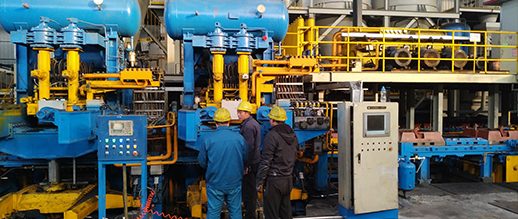
The foundational materials of a manual drum brake system dictate its overall performance and durability. Brake drums are traditionally constructed from gray cast iron (ASTM A48 Class 30) due to its excellent heat capacity, wear resistance, and machinability. However, alternative materials like ductile cast iron (ASTM A536-85) are increasingly employed for enhanced strength and resistance to thermal shock. Brake shoes commonly utilize woven or sintered friction materials composed of organic compounds (phenolic resins), metallic powders (iron, steel, copper), and abrasive fillers (mineral fibers, graphite). The specific formulation determines the coefficient of friction and fade characteristics. Manufacturing processes for drum brakes involve several critical stages. Drum production typically begins with sand casting, followed by machining to achieve precise dimensional tolerances and surface finish. Critical parameters include wall thickness uniformity, concentricity, and surface roughness, all monitored via coordinate measuring machines (CMM). Brake shoe manufacturing involves compression molding of the friction material onto a steel core. Key controls encompass material density, bond strength, and dimensional accuracy. The lining bonding process is critical; improper bonding leads to delamination and premature failure. Actuation mechanisms, including levers and linkages, are typically manufactured through forging and machining, requiring stringent quality control to ensure smooth operation and minimal backlash. Heat treatment processes (quenching and tempering) are applied to metallic components to enhance hardness and wear resistance. Finally, surface treatments like coating (zinc plating) are applied to prevent corrosion and extend service life.
Performance & Engineering
The performance of a manual drum brake is fundamentally governed by the principles of friction and heat transfer. Braking torque (T) is calculated as T = μ F r, where μ represents the coefficient of friction, F is the normal force applied by the brake shoes against the drum, and r is the effective radius of the drum. Force analysis involves evaluating the mechanical advantage provided by the actuation system and ensuring sufficient force amplification to overcome vehicle inertia. Environmental resistance is a major engineering concern. Moisture ingress leads to corrosion of metallic components and reduction in friction material effectiveness. Temperature variations affect the coefficient of friction and can induce thermal expansion and contraction, leading to brake fade. Fade is a critical phenomenon where repeated braking applications cause a reduction in braking force due to elevated drum and shoe temperatures. Engineering strategies to mitigate fade include optimizing drum fin design for enhanced heat dissipation and selecting friction materials with high thermal stability. Compliance requirements dictated by regulations such as FMVSS 105 (Federal Motor Vehicle Safety Standard) in the US and ECE R13 (Economic Commission for Europe) mandate minimum braking performance standards, including stopping distance and brake force distribution. Detailed finite element analysis (FEA) is employed during the design process to optimize component geometry, minimize stress concentrations, and ensure structural integrity under extreme loading conditions. Furthermore, dynamic simulations are used to assess system response and refine control parameters.
Technical Specifications
| Parameter | Typical Value (Light Duty Vehicle) | Typical Value (Heavy Duty Vehicle) | Units |
|---|---|---|---|
| Drum Diameter | 203 | 320 | mm |
| Drum Width | 50 | 80 | mm |
| Friction Material Thickness | 8 | 12 | mm |
| Coefficient of Friction (μ) | 0.25 - 0.35 | 0.30 - 0.45 | - |
| Actuation Ratio | 3:1 to 5:1 | 4:1 to 6:1 | - |
| Maximum Operating Temperature | 300 | 400 | °C |
Failure Mode & Maintenance
Manual drum brakes are susceptible to several failure modes. Fatigue cracking of the drum, often initiated at stress concentration points (bolt holes, keyways), can lead to catastrophic failure. Delamination of the friction material from the shoe core is a common issue, resulting in reduced braking effectiveness and potential damage to the drum surface. Oxidation and corrosion of metallic components, particularly in harsh environments, compromise structural integrity and impede smooth operation. Brake fade, as previously discussed, diminishes braking performance under repeated or prolonged use. Another critical failure mode is ‘grabbing,’ where uneven wear or contamination on the drum surface causes intermittent locking of the brake shoes. Preventative maintenance is crucial for extending brake life and ensuring reliable operation. Regular inspection of brake shoe thickness and drum surface condition is essential. Adjusting brake shoe clearance to maintain optimal contact pressure is paramount. Cleaning the drum surface to remove contaminants (dust, debris, oil) restores friction performance. Lubricating pivot points and linkages reduces friction and ensures smooth actuation. Periodic wheel cylinder inspection and fluid replacement (where applicable in hydraulic-assisted systems) prevent corrosion and maintain hydraulic pressure. Overhauling the entire system, including replacing worn components, should be performed at scheduled intervals based on vehicle usage and operating conditions. Early detection and addressing of minor issues prevent escalation to major failures.
Industry FAQ
Q: What is the impact of drum runout on braking performance?
A: Drum runout, or eccentricity, significantly impacts braking performance. Excessive runout causes variations in brake shoe-to-drum contact, leading to pulsating braking force, uneven wear, and increased noise. It effectively reduces the effective braking surface area and can contribute to brake fade. Runout must be within specified limits (typically defined by the vehicle manufacturer) to ensure optimal braking.
Q: How does the selection of friction material influence noise, vibration, and harshness (NVH) levels?
A: Friction material composition profoundly influences NVH characteristics. Materials with high metallic content generally generate more noise due to increased friction and potential for stick-slip phenomena. Softer, organic materials tend to be quieter but may exhibit reduced fade resistance. Optimizing the friction material formulation to balance friction coefficient, wear rate, and NVH levels is a critical design challenge.
Q: What are the challenges associated with using composite materials for drum brake components?
A: While composite materials offer potential weight savings and enhanced corrosion resistance, their application in drum brakes presents challenges. Maintaining adequate heat dissipation is a primary concern, as composites generally have lower thermal conductivity than cast iron. Achieving long-term durability and resistance to wear and environmental degradation also requires careful material selection and manufacturing process control. Cost considerations are also significant.
Q: What is the role of the wheel cylinder in a manual drum brake system?
A: While this guide focuses on manual drum brakes, many systems incorporate hydraulic assistance. The wheel cylinder, in these systems, converts hydraulic pressure into mechanical force, pushing the brake shoes against the drum. It contains pistons that extend outward when pressurized, applying the braking force. Leakage or malfunction of the wheel cylinder directly compromises braking performance.
Q: How can thermal imaging be used for brake system diagnostics?
A: Thermal imaging can be a valuable diagnostic tool. Uneven temperature distribution across the drum surface can indicate uneven brake shoe contact, dragging brakes, or a malfunctioning wheel cylinder (if applicable). Elevated temperatures beyond normal operating limits suggest excessive friction, brake fade, or potential component failure. It allows for non-destructive assessment of brake system health.
Conclusion
Manual drum brakes, despite advancements in disc brake technology, remain a relevant and cost-effective braking solution in specific applications. Their performance is critically dependent on material selection, precise manufacturing control, and regular maintenance. Understanding the interplay between friction principles, heat transfer, and component failure modes is essential for ensuring reliable and safe operation. The longevity and efficacy of these systems rely on careful attention to detail in material science and meticulous adherence to engineering best practices.
Future developments may focus on optimizing friction material formulations to enhance fade resistance and reduce noise, incorporating advanced thermal management strategies to improve heat dissipation, and exploring the potential of composite materials for weight reduction. Continued research and development, coupled with adherence to stringent industry standards, will ensure that manual drum brakes continue to fulfill critical braking needs in a variety of industrial and vehicular applications.