

Introduction
Drum brake service, encompassing inspection, repair, and replacement, represents a critical component of vehicle safety maintenance. This guide provides a detailed technical overview of the factors influencing the cost of a drum brake job, moving beyond simple price quotations to examine the material science, manufacturing tolerances, performance engineering, potential failure modes, and relevant industry standards. The cost variation is significant, driven by vehicle type, component condition, labor rates, and geographic location. Understanding these influences enables informed procurement decisions and accurate budgeting. The analysis will also cover the differentiation between basic shoe replacement and complete drum and hardware replacement, examining the lifecycle cost implications of each approach. The industry faces ongoing challenges related to brake dust emissions and the transition towards more sustainable brake materials, indirectly influencing component costs and service procedures.
Material Science & Manufacturing
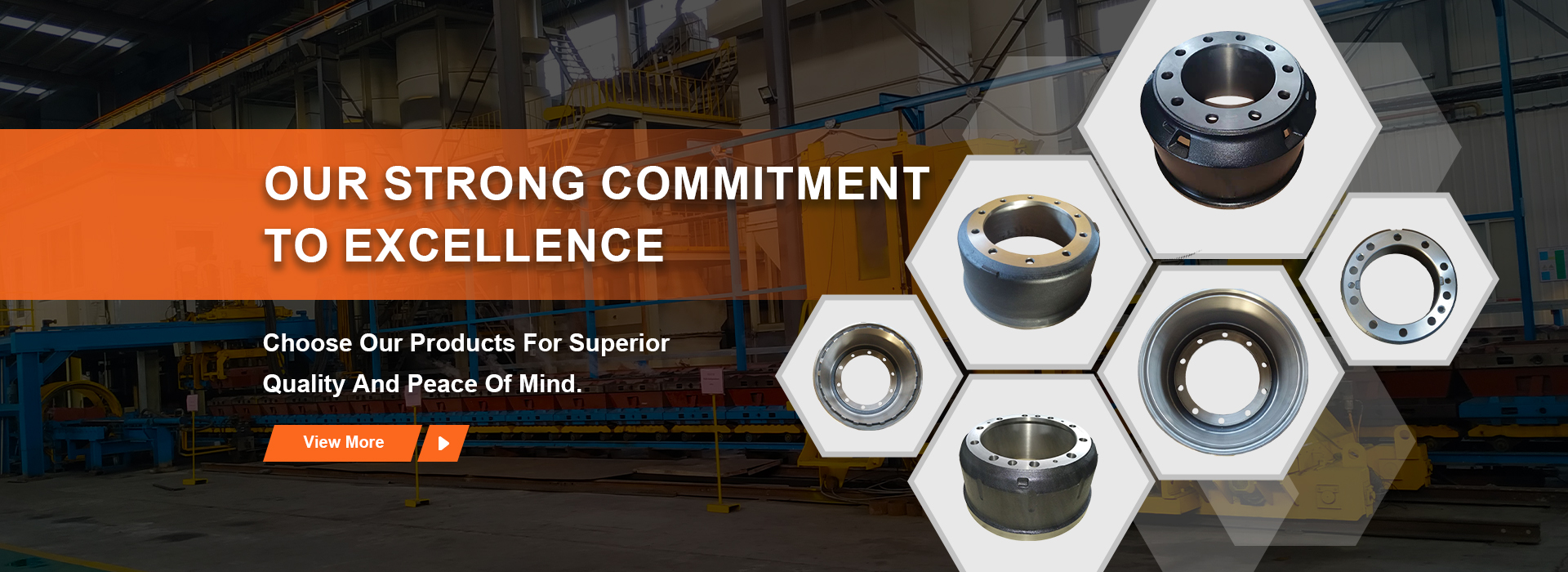
Drum brake systems utilize a complex interplay of ferrous materials. The brake drum itself is typically constructed from grey cast iron (ASTM A48 Class 30) chosen for its high thermal conductivity, wear resistance, and damping characteristics. The chemical composition dictates hardness, tensile strength, and thermal shock resistance. Brake shoes are commonly lined with semi-metallic friction materials, or organic/ceramic blends. Semi-metallic linings comprise iron powder, steel wool, graphite, and friction modifiers, offering high friction coefficients but potentially increased rotor wear. Organic linings provide quieter operation and reduced dust, but exhibit lower heat resistance. Manufacturing processes for drums involve sand casting, followed by machining operations (turning, milling) to achieve precise dimensional tolerances and surface finish. Brake shoe production involves compression molding of the friction material onto a steel backing plate. Critical manufacturing parameters include resin content, fiber orientation, and curing temperature for friction linings, and casting cooling rates for drums to minimize residual stresses. Quality control emphasizes dimensional accuracy, material composition verification (spectrometry), and surface roughness measurements. Corrosion protection typically involves phosphate coating on the drum interior and zinc coating on hardware components to mitigate galvanic corrosion.
Performance & Engineering
Drum brake performance relies on the principle of friction generated between the brake shoes and the inner surface of the rotating drum. Force analysis reveals that braking torque is directly proportional to the friction coefficient, normal force, and drum radius. Engineering design considerations include optimizing drum diameter and shoe width to maximize braking force while minimizing heat generation. Heat dissipation is crucial; excessive heat leads to brake fade (reduction in friction coefficient). Drum design incorporates fins and ventilation holes to improve cooling. Self-energizing brake systems utilize a mechanical advantage to amplify braking force, but can also exhibit increased sensitivity to variations in drum and shoe clearances. Compliance requirements (FMVSS 105 in the US, ECE R13 in Europe) mandate minimum braking performance levels, including stopping distance and fade resistance. Environmental resistance considerations include the impact of moisture, salt spray, and temperature fluctuations on component durability. Detailed finite element analysis (FEA) is employed to optimize drum and shoe geometry for stress distribution and minimize deformation under load. Hydraulic system pressure and master cylinder stroke directly impact braking efficiency, demanding precise calibration and maintenance.
Technical Specifications
| Component | Material | Typical Dimensions | Hardness (HRC) |
|---|---|---|---|
| Brake Drum | Grey Cast Iron (ASTM A48 Class 30) | Diameter: 203-325 mm; Width: 30-50 mm | 180-220 |
| Brake Shoe | Steel Backing Plate + Friction Material | Length: 200-350 mm; Width: 40-70 mm; Thickness: 8-12 mm | 30-40 (Backing Plate) |
| Brake Lining (Semi-Metallic) | Iron Powder, Steel Wool, Graphite, Friction Modifiers | Varies with Shoe Size | N/A (composite material) |
| Brake Lining (Organic/Ceramic) | Resin, Ceramic Fibers, Abrasives | Varies with Shoe Size | N/A (composite material) |
| Wheel Cylinder | Cast Iron or Aluminum Alloy | Bore Diameter: 19-25 mm | N/A (hydraulic component) |
| Springs (Hold-Down, Return) | High-Carbon Spring Steel | Varies with Application | 40-50 |
Failure Mode & Maintenance
Common drum brake failure modes include brake shoe wear, drum scoring, wheel cylinder leaks, and spring fatigue. Brake shoe wear occurs due to friction and is exacerbated by abrasive contaminants. Drum scoring arises from hard particles embedded in the lining or corrosion within the drum. Wheel cylinder leaks result from deteriorated seals or corrosion of internal components, leading to reduced braking force. Spring fatigue causes loss of shoe-to-drum contact, reducing braking efficiency. Failure analysis reveals that improper installation, aggressive driving habits, and lack of regular maintenance contribute significantly to premature failure. Maintenance procedures include periodic inspection of shoe thickness, drum runout, wheel cylinder condition, and spring tension. Resurfacing of drums is possible within dimensional limits (ISO 9440-2), but often less cost-effective than replacement. Bleeding the brake lines to remove air bubbles is essential after any hydraulic component service. Preventive maintenance schedules should incorporate regular cleaning and lubrication of moving parts to minimize corrosion and friction. Ignoring squealing noises or diminished braking performance is a critical error, potentially leading to catastrophic failure.
Industry FAQ
Q: What is the typical labor cost range for a complete drum brake job, including shoe replacement, drum turning (if applicable), and wheel cylinder inspection?
A: Labor costs generally range from 2 to 6 hours, depending on vehicle complexity and regional rates. Expect a labor cost between $150 and $600, with the higher end representing more complex installations or vehicles requiring significant component removal. Drum turning adds approximately 0.5 to 1 hour of labor, increasing the cost accordingly.
Q: What is the difference in cost between replacing just the brake shoes versus replacing the entire drum brake assembly (drum, shoes, hardware)?
A: Replacing only shoes is cheaper upfront ($50-$150 in parts), but drums often require resurfacing or replacement alongside shoes. A full assembly replacement ($200-$500 in parts) provides a longer-term solution, addressing potential drum issues and ensuring optimal performance. Lifecycle cost analysis often favors the complete assembly replacement.
Q: How does the material composition of the brake lining affect the overall cost and performance?
A: Semi-metallic linings are typically less expensive but generate more dust and can accelerate drum wear. Organic/ceramic linings are more expensive but offer quieter operation, reduced dust, and potentially longer drum life. The choice depends on driving conditions and performance requirements.
Q: What are the signs that a wheel cylinder needs to be replaced, and how much does a wheel cylinder replacement typically cost?
A: Signs include brake fluid leaks around the cylinder, spongy brake pedal feel, and uneven brake wear. Wheel cylinder replacement costs between $80-$250 per cylinder, including parts and labor. Ignoring a leaking wheel cylinder can lead to complete brake failure.
Q: Are there any potential cost savings associated with performing a drum brake job myself, and what are the associated risks?
A: DIY drum brake jobs can save on labor costs, but require specialized tools and knowledge. Risks include improper installation, hydraulic system contamination, and potential safety hazards. Incorrect installation can lead to brake failure. It is crucial to have a thorough understanding of the procedure and possess the necessary expertise.
Conclusion
The cost of a drum brake job is a multifaceted equation encompassing component pricing, labor rates, vehicle specifics, and the scope of work. A comprehensive understanding of the material science underlying drum brake construction, coupled with an appreciation for the engineering principles governing their performance, is essential for accurate cost estimation and informed decision-making. The total cost varies widely, ranging from a basic shoe replacement to a complete system overhaul.
Moving forward, advancements in brake material technology and manufacturing processes will continue to influence component costs and performance characteristics. Regular preventative maintenance, including thorough inspections and timely component replacement, remains the most effective strategy for ensuring optimal braking performance and minimizing long-term maintenance expenses. Furthermore, increased scrutiny surrounding brake dust emissions will likely drive the adoption of lower-emission brake pad and drum materials, potentially altering the cost structure of drum brake service.