

Introduction
Industrial drum brakes are a critical component in heavy machinery, material handling equipment, and specialized industrial applications requiring robust stopping power. Positioned within the power transmission and braking systems, drum brakes function by utilizing friction generated between external brake shoes and the inner surface of a rotating drum, thereby converting kinetic energy into thermal energy and achieving controlled deceleration or stoppage. Unlike disc brakes, drum brakes often excel in high-torque, static-holding applications, and environments prone to contamination. Their enclosed design offers protection from the elements, increasing longevity and reliability in harsh operational conditions. Core performance metrics include braking torque, stopping distance, fade resistance, and operational lifespan, all fundamentally tied to material selection, design parameters, and maintenance practices. The industry faces increasing demands for higher efficiency, reduced weight, and improved environmental compatibility, driving innovation in brake lining materials and actuation systems.
Material Science & Manufacturing
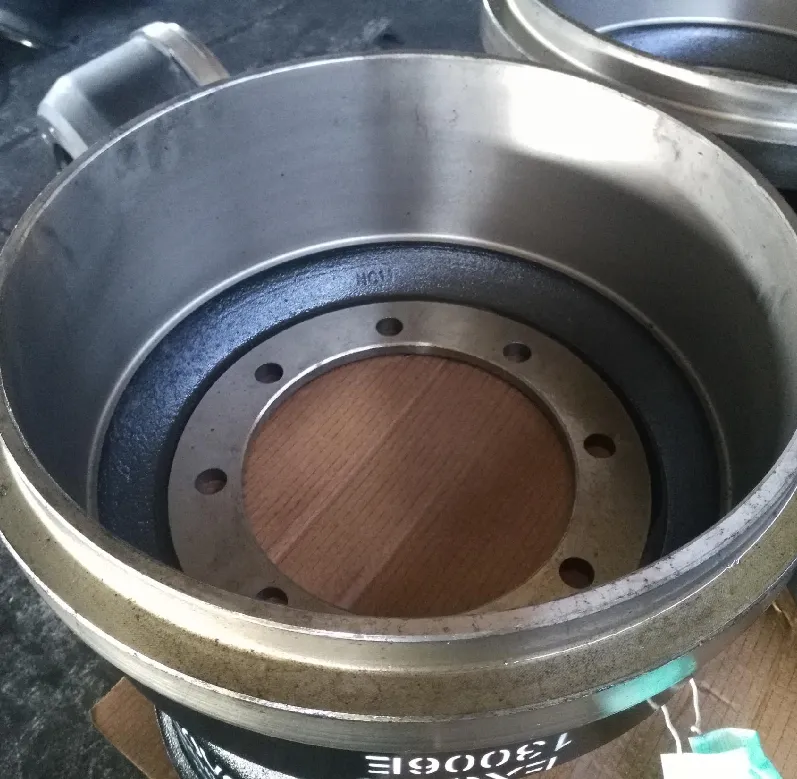
The core materials in industrial drum brake construction dictate performance and durability. Brake drums are typically manufactured from grey cast iron (ASTM A48 Class 30), chosen for its high thermal conductivity, wear resistance, and damping capacity. However, spheroidal graphite iron (ductile iron, ASTM A536-80) is increasingly used for higher strength and improved resistance to thermal shock. Brake shoes commonly utilize friction materials bonded to a steel core. These friction materials are composites consisting of organic (phenolic resins), inorganic (mineral fibers, barium sulfate), and metallic (steel, copper, iron) components. The precise formulation determines the coefficient of friction, fade characteristics, and wear rate. Manufacturing processes for drums include casting, machining, and finishing operations to achieve precise dimensions and surface smoothness. Brake shoe production involves mixing and molding the friction material onto the steel core, followed by curing and grinding. Key parameter control during manufacturing includes compositional accuracy of friction materials, drum concentricity, and surface finish. Heat treatment of cast iron drums is critical for optimizing microstructure and mitigating residual stresses. Bonding strength between friction material and steel core is validated via rigorous adhesion testing. The selection of bonding agents (typically thermosetting resins) must consider operating temperatures and chemical compatibility with the friction material constituents.
Performance & Engineering
The performance of industrial drum brakes is fundamentally governed by force analysis and thermal management. The braking torque (T) is calculated as T = μ F r, where μ is the coefficient of friction, F is the normal force applied by the brake shoes, and r is the effective radius of the drum. Force analysis must account for the lever arm ratio within the brake mechanism and the hydraulic or pneumatic pressure driving the actuation system. Environmental resistance is paramount, particularly in applications exposed to corrosive atmospheres or extreme temperatures. Corrosion prevention strategies include the application of protective coatings (e.g., zinc plating, powder coating) to the drum and shoe components. Compliance requirements are dictated by industry-specific standards (detailed in the footer) and may include testing for braking performance under various load conditions, fade resistance at elevated temperatures, and environmental impact. Functional implementation involves careful consideration of the actuation system – whether hydraulic, pneumatic, or electro-mechanical – and its integration with the overall machine control system. Brake fade, a reduction in braking torque due to overheating, is a critical engineering challenge addressed through drum ventilation, improved friction material formulations, and optimized brake shoe design to maximize heat dissipation. Finite Element Analysis (FEA) is frequently employed to simulate stress distributions within the drum and shoes under load, enabling optimization of component geometry and material selection.
Technical Specifications
| Parameter | Unit | Typical Value (Medium-Duty Industrial Brake) | Typical Value (Heavy-Duty Industrial Brake) |
|---|---|---|---|
| Braking Torque | Nm | 500 | 2000 |
| Drum Diameter | mm | 300 | 600 |
| Friction Material Coefficient of Friction (μ) | - | 0.35 | 0.40 |
| Maximum Operating Temperature | °C | 350 | 450 |
| Actuation Pressure (Hydraulic) | MPa | 10 | 20 |
| Weight (Approximate) | kg | 20 | 80 |
Failure Mode & Maintenance
Industrial drum brakes are susceptible to several failure modes. Fatigue cracking in the drum, often initiated by thermal stresses and impact loads, is a common concern. Delamination of the friction material from the steel core can occur due to inadequate bonding or exposure to moisture. Degradation of the friction material itself, resulting from wear, oxidation, and chemical attack, leads to reduced braking performance. Corrosion, particularly in marine or chemically aggressive environments, compromises the structural integrity of the drum and shoes. Leading/Trailing shoe imbalance can cause uneven wear and reduced braking effectiveness. Maintenance solutions involve regular inspections for wear, cracks, and corrosion. Periodic replacement of brake shoes is essential, dictated by wear limits specified by the manufacturer. Drum surfaces should be inspected for scoring or damage and machined or replaced as necessary. Proper lubrication of the actuation mechanism is critical for smooth operation and prevention of sticking. Brake adjustment is vital to maintain adequate clearance between the shoes and the drum, ensuring efficient braking. Detailed records of maintenance activities should be maintained to track component lifespan and identify potential issues before they escalate. Non-destructive testing methods, such as dye penetrant inspection, can detect surface cracks not visible to the naked eye.
Industry FAQ
Q: What is the primary advantage of drum brakes over disc brakes in heavy industrial applications?
A: Drum brakes generally offer superior static holding torque, making them ideal for applications where the brake needs to maintain a load without movement for extended periods. Their enclosed design also provides better protection from contamination in harsh environments, enhancing longevity.
Q: How does ambient temperature affect drum brake performance?
A: Elevated temperatures can lead to brake fade, a reduction in braking torque due to decreased friction material efficiency. Conversely, extremely low temperatures can reduce the coefficient of friction and increase the risk of condensation, potentially leading to corrosion.
Q: What are the key considerations when selecting a friction material for a specific industrial application?
A: The selection depends on factors such as operating temperature, load, speed, environmental conditions, and required coefficient of friction. Materials should be chosen to minimize wear, resist fade, and provide consistent performance throughout their lifespan.
Q: What preventative measures can be taken to mitigate corrosion in drum brake systems?
A: Applying protective coatings (zinc plating, powder coating) to drum and shoe components, utilizing corrosion inhibitors in hydraulic fluids, and regular inspection and cleaning of the brake assembly are crucial preventative measures.
Q: How frequently should brake shoes be inspected and replaced?
A: Inspection frequency depends on the severity of the application. Regular visual inspections should be conducted during routine maintenance. Replacement should be based on manufacturer’s recommendations or when wear reaches the minimum specified thickness, typically indicated by wear indicators embedded in the friction material.
Conclusion
Industrial drum brakes remain a vital technology for numerous heavy-duty applications due to their inherent advantages in high-torque, static-holding scenarios and their robust tolerance to harsh environments. Successful implementation relies on a thorough understanding of material science, meticulous manufacturing processes, and diligent maintenance practices. The ongoing drive for improved performance and sustainability is prompting advancements in friction material formulations, actuation systems, and monitoring technologies.
Future developments will likely focus on reducing weight through innovative material selection, enhancing thermal management to mitigate fade, and integrating smart sensors for real-time performance monitoring and predictive maintenance. Adherence to established industry standards and a proactive approach to failure analysis are essential for ensuring the reliability and safety of industrial drum brake systems.