
Introduction
Drum brake shoes are a critical component of the braking system in vehicles, primarily older models and heavy-duty applications. Their function is to provide the frictional surface necessary to decelerate or stop the vehicle when activated by the brake pedal. This guide details the material science, manufacturing processes, performance characteristics, failure modes, maintenance protocols, and cost considerations surrounding drum brake shoe replacement. The increasing adoption of disc brakes in passenger vehicles has reduced the demand for drum brake systems, however, they remain prevalent in commercial vehicles, parking brake systems, and rear axles where cost optimization and load-bearing capacity are prioritized. Understanding the intricacies of drum brake shoe replacement, beyond merely parts substitution, is essential for ensuring vehicle safety, regulatory compliance, and minimizing lifecycle costs. The primary pain point in this industry lies in balancing replacement part quality with affordability, given the wide range of available options and potential for substandard materials impacting braking performance.
Material Science & Manufacturing
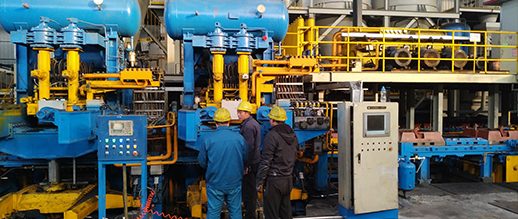
Drum brake shoes are typically constructed from cast iron, though variations exist utilizing composite materials. Gray cast iron (ASTM A48 Class 30) is the dominant material choice due to its high thermal conductivity, wear resistance, and machinability. The iron contains graphite flakes within a ferrite matrix, contributing to damping characteristics and reducing noise. Manufacturing begins with pattern making, followed by sand casting. Precise mold creation is vital to achieve the required dimensional accuracy and surface finish. Post-casting, shoes undergo machining operations like milling and grinding to create the friction surface with specified tolerances. The friction material, often a semi-metallic or non-asbestos organic (NAO) compound, is then bonded to the cast iron core through an adhesive and cured under heat and pressure. This bonding process is critical; inadequate adhesion leads to delamination and catastrophic brake failure. Material compatibility between the cast iron and friction material is paramount. The friction material composition varies significantly, impacting coefficient of friction, fade resistance (performance at elevated temperatures), and dust generation. Key parameters controlled during manufacturing include graphite flake size and distribution in the cast iron, friction material density, and bonding pressure/temperature. Quality control typically involves dimensional inspection, hardness testing, and bond strength assessment.

Performance & Engineering
The performance of drum brake shoes is dictated by several engineering factors. The coefficient of friction, a dimensionless value representing the resistance to motion between the shoe and drum, directly impacts stopping power. This coefficient varies with temperature, speed, and applied pressure. Fade, the reduction in braking force at high temperatures, is a critical concern. Engineering solutions include friction material formulations with high heat capacity and thermal conductivity. Force analysis involves calculating the braking torque generated by the shoes, considering the lever arm, friction coefficient, and drum diameter. Environmental resistance is also important; corrosion due to road salts and moisture can significantly reduce shoe life. Protective coatings, such as zinc phosphate, are frequently applied to the cast iron to mitigate corrosion. Compliance requirements, specifically FMVSS 105 (Federal Motor Vehicle Safety Standard 105) in the US, dictate minimum braking performance standards. The engineering design of the shoe also incorporates features to prevent shoe grab (sticking) and ensure even wear. Springs are integral for maintaining contact between the shoe and drum, while adjusters compensate for wear over time. The effective contact area between the friction material and the drum surface is optimized to maximize braking efficiency and minimize wear rates.
Technical Specifications
| Parameter | Typical Value (Standard Duty) | Typical Value (Heavy Duty) | Units |
|---|---|---|---|
| Friction Material Thickness | 8 | 10 | mm |
| Cast Iron Core Hardness | 180-240 | 220-280 | HB (Brinell) |
| Coefficient of Friction (μ) | 0.25-0.40 | 0.35-0.50 | - |
| Bond Strength (Adhesion) | 15 | 20 | MPa |
| Operating Temperature Range | -40 to 200 | -40 to 350 | °C |
| Weight (per shoe) | 1.0 - 1.5 | 1.5 - 2.5 | kg |
Failure Mode & Maintenance
Common failure modes for drum brake shoes include: 1) Wear: Gradual material loss due to friction, requiring eventual replacement. 2) Delamination: Separation of the friction material from the cast iron core, caused by inadequate bonding or excessive heat. 3) Cracking: Develops in the cast iron core due to thermal stress or impact. 4) Corrosion: Rust formation on the cast iron, reducing structural integrity. 5) Grab: Sticking of the shoe to the drum, often caused by rust, debris, or a malfunctioning adjuster. 6) Fade: Loss of braking force due to overheating of the friction material. Maintenance involves regular inspection of shoe thickness, checking for signs of delamination, corrosion, and cracks. Adjusting the brake shoes to compensate for wear is crucial. Cleaning the brake drum and applying a suitable lubricant to the contact points can prevent grab. Preventative maintenance also includes ensuring the brake drum is free from damage (e.g., scoring, ovality) which can accelerate shoe wear. When replacing shoes, it’s recommended to also inspect and potentially replace the wheel cylinder and brake hardware (springs, adjusters) to ensure optimal braking performance. Ignoring early signs of wear or failure can lead to reduced braking efficiency, increased stopping distances, and potentially catastrophic brake failure.
Industry FAQ
Q: What is the typical lifespan of drum brake shoes?
A: The lifespan varies widely based on driving conditions and maintenance. Generally, drum brake shoes can last between 25,000 to 50,000 miles. Heavy use, aggressive driving, and lack of maintenance will significantly reduce this lifespan. Regular inspections are key to determining actual wear and remaining service life.
Q: What's the difference between semi-metallic and organic brake shoes?
A: Semi-metallic shoes contain metal fibers (steel, iron, copper) mixed with friction materials. They offer higher friction coefficients and better heat dissipation, suitable for heavier vehicles and demanding applications. Organic (NAO) shoes are made from non-metallic fibers and resins, providing quieter operation and lower dust generation, but generally have lower heat tolerance and shorter lifespans.
Q: Is it necessary to replace both shoes at the same time?
A: Yes, it's strongly recommended. Replacing only one shoe can create an imbalance in braking force, leading to uneven wear, pulling to one side during braking, and potential instability. Replacing both shoes ensures symmetrical braking performance and extends the overall lifespan of the system.
Q: How much does drum brake shoe replacement typically cost?
A: The cost varies by location, vehicle type, and labor rates. Parts alone can range from $30 to $100 per axle. Labor costs typically range from $80 to $200 per axle. Therefore, a complete drum brake shoe replacement can cost between $110 and $300 per axle. It’s crucial to obtain quotes from multiple repair shops and inquire about the quality of the replacement parts.
Q: Can I replace drum brake shoes myself?
A: While technically possible for experienced DIY mechanics, it's generally not recommended unless you have a thorough understanding of brake systems and the necessary tools. Improper installation can lead to serious safety risks. Brake work requires precision and attention to detail, and any mistakes can compromise braking performance.
Conclusion
Drum brake shoe replacement, while seemingly straightforward, involves a complex interplay of material science, engineering principles, and precise manufacturing techniques. Ensuring the correct material selection, proper installation, and consistent maintenance are paramount to guarantee safe and reliable braking performance. The industry trend toward disc brakes notwithstanding, drum brake systems continue to serve a vital role, particularly in specific vehicle classes and applications.
Optimizing cost-effectiveness in drum brake shoe replacement requires a holistic approach, balancing initial part cost with long-term reliability and safety. Furthermore, adherence to relevant industry standards and regulations is non-negotiable. As automotive technology evolves, ongoing research and development focused on improving friction material formulations and brake system designs will continue to be crucial for enhancing the performance and longevity of drum brake systems.