
Introduction
Drum brake squeal is a common automotive noise complaint, representing a significant quality concern for vehicle manufacturers and a source of frustration for vehicle owners. It arises from frictional instabilities between the brake shoe and drum surfaces during braking, leading to self-excited vibrations and audible noise. While not typically indicative of immediate functional failure, persistent squeal necessitates investigation as it can signal component wear, contamination, or improper installation. This guide provides an in-depth technical analysis of drum brake squeal, encompassing material science, manufacturing considerations, performance factors, failure modes, and recommended maintenance practices. Understanding the root causes of squeal is crucial for effective mitigation and ensuring consistent braking performance. The industry faces the core pain point of balancing cost-effective brake systems with acceptable noise, vibration, and harshness (NVH) characteristics. This necessitates a thorough understanding of the complex interactions between materials, geometries, and operating conditions.
Material Science & Manufacturing
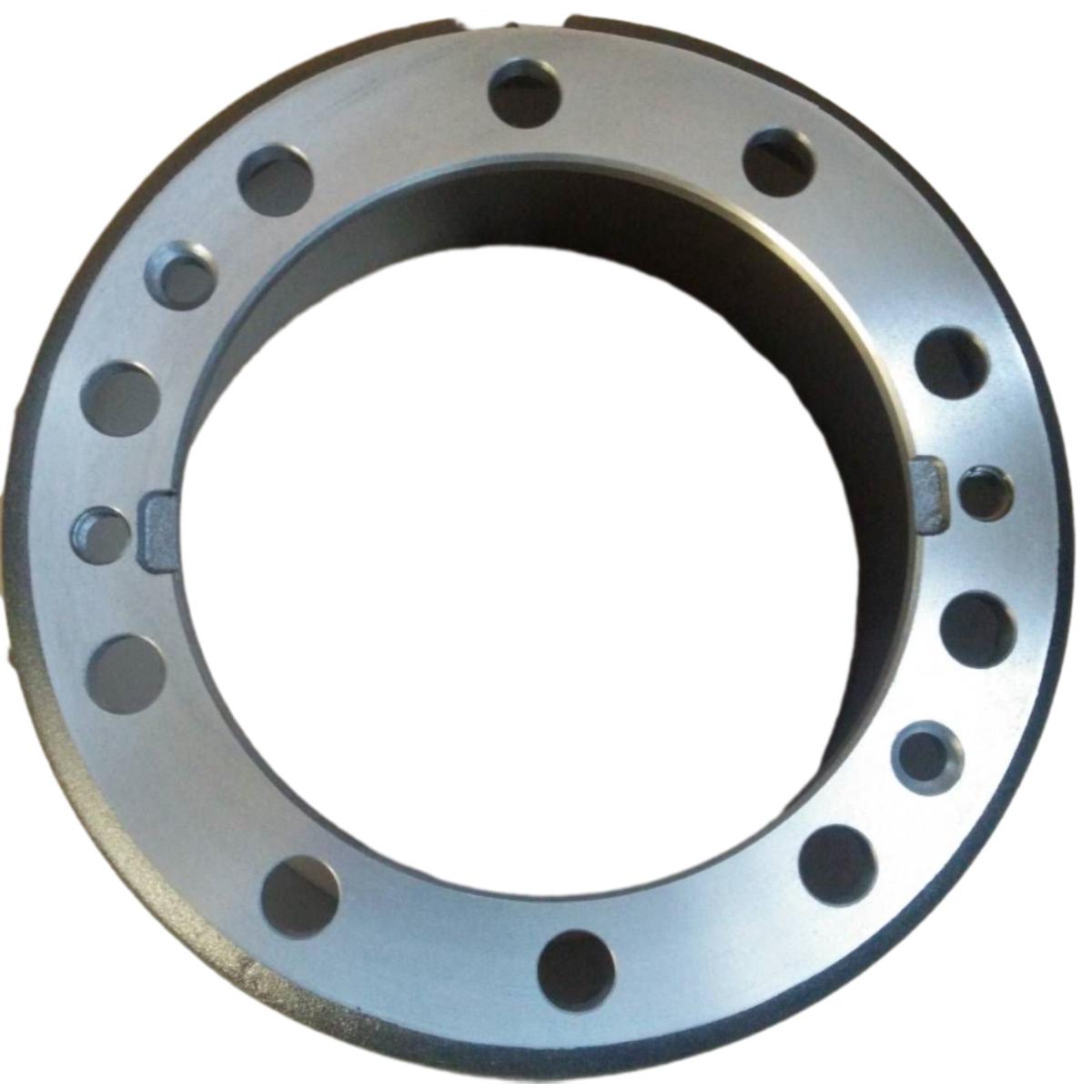
The primary materials in drum brake systems – cast iron for the drum and brake shoes constructed from steel or composite materials – exhibit inherent properties influencing squeal propensity. Cast iron composition (grey cast iron typically used) dictates its damping capacity; higher silicon content generally improves damping but can reduce wear resistance. Brake shoe material selection impacts friction coefficient and stick-slip behavior. Steel shoes offer high friction but are susceptible to corrosion. Composite shoes (organic, semi-metallic, or ceramic) provide tailored friction characteristics and reduced noise, albeit potentially at the expense of durability. The manufacturing process of the drum is critical. Machining marks on the inner surface, even if minor, can act as nucleation points for vibrations. Casting defects, such as porosity or inclusions, can also contribute to noise. Similarly, the forming and bonding of brake shoe linings must ensure uniform material distribution and adhesion to the steel core. Parameter control during the bonding process (temperature, pressure, and time) is paramount to prevent delamination, a frequent cause of squeal. Surface treatments, such as phosphate coating on the drum inner surface, are employed to improve corrosion resistance and reduce friction variation. The quality control of these surface finishes – thickness, uniformity, and adhesion – directly influences squeal potential. Microstructure analysis of both drum and shoe materials, particularly the graphite morphology in cast iron, is essential to predict damping characteristics.

Performance & Engineering
Drum brake squeal is fundamentally a dynamic phenomenon governed by frictional forces, contact mechanics, and vibration analysis. The contact between the brake shoe and drum is not perfectly conforming; microscopic asperity interactions generate stick-slip motion, which excites vibrational modes. The frequency of these vibrations depends on the geometry of the drum and shoes, the material properties, and the applied braking force. Modal analysis, using Finite Element Analysis (FEA), is employed to predict the natural frequencies and mode shapes of the drum brake assembly. Avoiding resonance conditions – where the excitation frequency matches a natural frequency – is crucial for suppressing squeal. Brake shoe geometry, including the curvature and width, influences the contact pressure distribution and frictional forces. Designing shoes with optimized profiles can minimize stick-slip and reduce noise. The brake adjuster mechanism must maintain proper clearance between the shoes and drum; excessive clearance can lead to delayed engagement and increased impact forces, promoting squeal. Environmental factors, such as temperature and humidity, affect the friction coefficient and damping characteristics of the materials. High humidity can promote corrosion and increase friction, while low temperatures can reduce damping. Compliance with industry standards, such as FMVSS 133 (Federal Motor Vehicle Safety Standard 133) in the US, mandates minimum braking performance requirements and addresses NVH considerations. Force analysis of the braking system, including the hydraulic pressure, friction forces, and contact stresses, provides insights into the root causes of squeal and informs design improvements.
Technical Specifications
| Parameter | Typical Value (Cast Iron Drum) | Typical Value (Steel Shoe) | Typical Value (Composite Shoe) |
|---|---|---|---|
| Drum Material Hardness (HB) | 180-240 | N/A | N/A |
| Brake Shoe Friction Coefficient (μ) | 0.25-0.40 | 0.30-0.45 | 0.20-0.35 |
| Damping Ratio (Drum) | 0.02-0.05 | N/A | N/A |
| Damping Ratio (Shoe) | N/A | 0.01-0.03 | 0.03-0.06 |
| Operating Temperature (°C) | 50-300 | 50-350 | 50-250 |
| Surface Finish Roughness (Ra, µm) | <1.6 | <0.8 | <0.8 |
Failure Mode & Maintenance
Several failure modes contribute to drum brake squeal. Brake shoe glazing, caused by excessive heat, reduces friction and alters the contact surface, increasing squeal propensity. Contamination of the brake surface with dust, dirt, or oil alters the friction coefficient and promotes stick-slip. Worn or damaged brake shoe linings result in uneven contact pressure and increased vibrations. Corrosion on the drum surface creates irregularities that generate noise. A malfunctioning brake adjuster can lead to excessive clearance or binding, both of which can cause squeal. Delamination of the brake shoe lining is a critical failure mode, resulting in loss of braking force and potential noise. Maintenance procedures to mitigate squeal include regular inspection of brake shoes and drums for wear, damage, and contamination. Cleaning the brake surfaces with brake cleaner removes contaminants and restores friction. Resurfacing or replacing worn drums and shoes restores optimal contact geometry. Lubricating the contact points of the brake adjuster mechanism ensures smooth operation. Applying anti-squeal compounds (damping materials) to the back of the brake shoes can reduce vibration. Proper bedding-in procedures following brake component replacement are essential to establish a stable friction layer. Regular system checks to ensure proper hydraulic pressure and equalization are also crucial.
Industry FAQ
Q: What is the primary difference in squeal generation between cast iron drums and composite brake shoes versus steel shoes?
A: Steel shoes typically have a higher friction coefficient, leading to more aggressive engagement and potentially greater stick-slip, contributing to higher squeal levels. Composite shoes, while offering lower friction, can still generate squeal if the formulation isn't optimized for damping. Cast iron drums, by virtue of their material properties and damping characteristics, play a significant role in suppressing vibrations. The combination of materials and their interaction are key.
Q: How does humidity affect drum brake squeal?
A: Increased humidity promotes corrosion on the drum and shoe surfaces. This corrosion creates surface irregularities that alter the friction coefficient and generate increased noise. Additionally, moisture can reduce the damping capacity of the materials, exacerbating vibrations.
Q: What role does the brake adjuster play in preventing squeal?
A: The brake adjuster maintains the proper clearance between the shoes and drum. Insufficient clearance causes the shoes to drag, generating noise. Excessive clearance leads to delayed engagement and increased impact forces when the brakes are applied, also resulting in squeal. A properly functioning adjuster is crucial for optimal brake performance and noise control.
Q: What diagnostic tools are used to pinpoint the source of drum brake squeal?
A: Visual inspection for wear, damage, and contamination is the first step. A stethoscope can be used to isolate the location of the noise. Dynamic testing, using a chassis dynamometer, allows engineers to analyze the noise under controlled braking conditions. Modal analysis, through FEA, helps identify resonant frequencies and potential vibration modes.
Q: Can anti-squeal compounds provide a long-term solution to drum brake squeal?
A: Anti-squeal compounds can effectively reduce noise by damping vibrations, but they are often a temporary solution. Their effectiveness diminishes over time as the material wears or becomes contaminated. They address the symptom rather than the root cause of the squeal and should be used in conjunction with proper maintenance and component inspection.
Conclusion
Drum brake squeal is a complex phenomenon rooted in the interplay of material properties, manufacturing processes, and operating conditions. While often not a functional safety issue, persistent squeal reflects an instability within the braking system and requires careful investigation. Effective mitigation strategies necessitate a holistic approach, encompassing accurate diagnostics, appropriate material selection, precise manufacturing control, and diligent maintenance practices. Understanding the vibrational modes of the drum brake assembly through techniques like FEA is paramount in preventing resonant frequencies that exacerbate noise.
Future advancements in drum brake technology may focus on developing new composite materials with enhanced damping properties, implementing active vibration control systems, and optimizing brake shoe geometries to minimize stick-slip. A move towards more precise manufacturing tolerances and improved surface finishes will also contribute to reducing squeal propensity. Ultimately, a deep understanding of the underlying physics of friction and vibration remains crucial for achieving quiet, reliable, and efficient braking systems.