
Introduction
Drum brakes represent a foundational braking technology in automotive engineering, historically prevalent and still utilized in various applications, particularly in rear axle configurations. They operate on the principle of friction generated by external brake shoes pressing against the inner surface of a rotating drum. This system converts kinetic energy into thermal energy, effectively slowing or stopping the vehicle. While disc brakes have become increasingly dominant due to superior heat dissipation and performance characteristics, drum brakes remain cost-effective and provide adequate stopping power for many vehicles, especially those prioritizing economy. Understanding the intricacies of drum brake design, materials, and operation is critical for automotive technicians, engineers, and procurement specialists involved in vehicle maintenance, repair, and component sourcing. This guide provides a comprehensive technical overview of drum brakes, addressing material science, manufacturing processes, performance engineering, failure modes, and relevant industry standards.
Material Science & Manufacturing
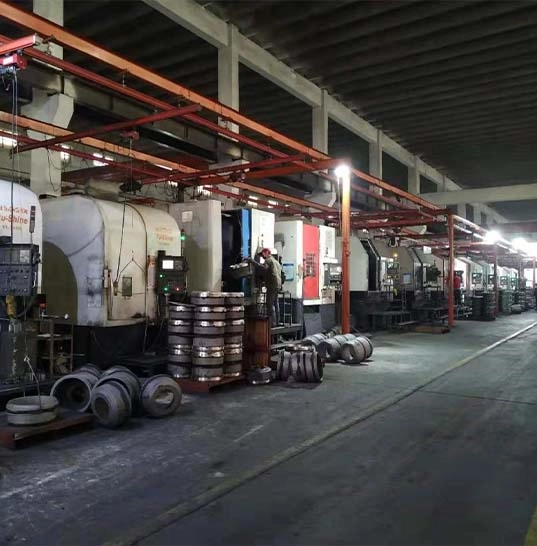
The core components of a drum brake system – the drum itself, the brake shoes, and the associated hardware – utilize a range of materials selected for specific properties. Brake drums are typically constructed from gray cast iron due to its excellent heat capacity, wear resistance, and relatively low cost. The chemical composition of the cast iron, specifically the percentage of carbon, silicon, manganese, sulfur, and phosphorus, directly impacts its thermal conductivity and resistance to thermal shock. Manufacturing involves sand casting, where molten iron is poured into a mold, followed by machining operations to achieve precise dimensional tolerances and a smooth braking surface. Brake shoes consist of a steel core providing structural rigidity, clad with friction material. These friction materials are complex composites, historically utilizing asbestos (now prohibited due to health concerns). Modern formulations employ organic compounds, semi-metallic compositions (iron powder, copper fibers, graphite), or ceramic materials. These materials are bonded to the steel core using high-temperature adhesives and cured under pressure. The manufacturing process of brake shoes involves precision stamping of the steel core, mixing and molding of the friction material, and subsequent bonding and curing. Springs, typically constructed from high-carbon steel wire, are formed via coiling and heat treatment to provide the necessary actuation force. Accurate parameter control during casting, material blending, and heat treatment is paramount to ensuring consistent performance and longevity.

Performance & Engineering
The performance of a drum brake system is governed by several engineering principles. The braking force is determined by the coefficient of friction between the brake shoes and the drum, the normal force applied by the hydraulic system, and the effective radius of the drum. Force analysis reveals that the self-energizing effect – where the friction force generates a moment that assists in applying greater braking force – is a key characteristic of drum brakes. However, this effect can also contribute to grabbing and instability under certain conditions. Environmental resistance is critical; exposure to moisture, salt, and road debris can induce corrosion and reduce friction performance. Coatings, such as zinc plating or organic coatings, are applied to protect metal components from corrosion. Compliance requirements, outlined in FMVSS 133 (Federal Motor Vehicle Safety Standard) in the US, and ECE R13 (Economic Commission for Europe Regulation) in Europe, dictate minimum braking performance criteria, including stopping distance and brake fade resistance. The functional implementation involves a hydraulic system that transmits force from the master cylinder to wheel cylinders located within the drum brake assembly. The wheel cylinders extend pistons that push the brake shoes against the drum. Precise control of hydraulic pressure and mechanical linkage geometry is essential for balanced braking and optimal performance. Heat dissipation is a primary limiting factor in drum brake performance; excessive heat buildup leads to brake fade – a reduction in braking force due to the weakening of the friction material and expansion of components.
Technical Specifications
| Drum Diameter (mm) | Drum Width (mm) | Friction Material Thickness (mm) | Coefficient of Friction (μ) | Maximum Operating Temperature (°C) | Hydraulic Pressure (MPa) |
|---|---|---|---|---|---|
| 203 | 50 | 8 | 0.35 | 350 | 8-12 |
| 228 | 60 | 10 | 0.40 | 400 | 10-15 |
| 240 | 70 | 12 | 0.45 | 450 | 12-18 |
| 254 | 80 | 14 | 0.50 | 500 | 15-20 |
| 280 | 90 | 16 | 0.55 | 550 | 18-25 |
| 300 | 100 | 18 | 0.60 | 600 | 20-30 |
Failure Mode & Maintenance
Drum brake systems are susceptible to several failure modes. Brake fade, as previously mentioned, results from overheating. Wear of the friction material is a natural consequence of operation, eventually requiring replacement. Cracking of the brake drum can occur due to thermal stress and impact loading. Contamination of the friction material with oil, grease, or water reduces the coefficient of friction and impairs braking performance. Corrosion of metal components weakens structural integrity. Wheel cylinder failure, often due to leaks or piston corrosion, leads to reduced braking force. Maintenance involves regular inspection of friction material thickness, drum surface condition, and wheel cylinder integrity. Adjustment of brake shoe clearance is critical to ensure proper engagement and prevent dragging. Resurfacing of the drum may be possible to remove minor imperfections and improve friction. Periodic cleaning of the brake assembly to remove dust and debris is essential. Preventive maintenance, including proper lubrication of moving parts and regular fluid changes, extends the lifespan of the system. Complete brake shoe and drum replacement are necessary when wear exceeds safe limits or significant damage is present. Careful diagnosis of the root cause of any braking issue is paramount to prevent recurring problems and ensure safe operation.
Industry FAQ
Q: What are the primary advantages of drum brakes compared to disc brakes, particularly in cost-sensitive applications?
A: The primary advantage of drum brakes lies in their lower manufacturing cost. The shielded design protects the internal components from debris, potentially extending service life in harsh environments. They also generally require less maintenance in terms of complexity compared to disc brake calipers and associated hardware. The self-energizing effect can provide a reasonable amount of braking force with relatively low hydraulic input.
Q: How does the material composition of the friction lining impact braking performance and noise characteristics?
A: Friction lining composition dramatically influences braking performance. Organic linings offer quieter operation but may exhibit lower heat resistance and fade more readily. Semi-metallic linings provide higher friction and better heat dissipation but can generate more noise and wear drum surfaces faster. Ceramic linings offer a balance of performance characteristics, with good friction, low noise, and reduced dust generation. The choice of material is a trade-off based on application requirements.
Q: What are the critical parameters to consider when selecting a replacement brake drum for a specific vehicle?
A: Critical parameters include drum diameter, width, and bolt pattern. The material composition must match the original specification to ensure compatibility and performance. Surface finish is also important; a smooth, concentric surface is essential for optimal friction and minimal vibration. Ensure the drum is within the specified weight tolerance to maintain proper balance. Finally, confirm compatibility with the vehicle's brake shoe design.
Q: What are the common causes of brake drum warping, and how can it be diagnosed and rectified?
A: Brake drum warping is typically caused by uneven heating and cooling cycles, leading to thermal stress. Aggressive braking followed by rapid deceleration, or prolonged exposure to high temperatures, can induce warping. Diagnosis involves visual inspection for runout during drum rotation, and measurement of drum thickness variation. Rectification may involve resurfacing the drum to restore a smooth, flat surface, but if the warping is severe, replacement is necessary.
Q: What are the key maintenance procedures to prevent premature failure of drum brake components in heavy-duty applications?
A: Key maintenance procedures include regular inspection of friction material thickness, drum surface condition, and wheel cylinder seals. Periodic adjustment of brake shoe clearance is crucial. Thorough cleaning of the brake assembly to remove dust, debris, and contaminants is essential. Proper lubrication of moving parts prevents corrosion and ensures smooth operation. Regularly inspect brake lines and hoses for leaks and damage. Implement a schedule for complete brake shoe and drum replacement based on operating conditions and mileage.
Conclusion
Drum brake systems, while facing increasing competition from disc brakes, remain a viable and cost-effective braking solution for many automotive applications. Their functionality relies on a delicate balance of material science, hydraulic pressure, and mechanical engineering principles. Understanding the nuances of drum brake design, potential failure modes, and appropriate maintenance procedures is crucial for ensuring vehicle safety and optimizing system performance.
The future of drum brake technology likely lies in incremental improvements to material formulations, surface coatings, and manufacturing processes aimed at enhancing heat dissipation, reducing weight, and improving corrosion resistance. While a complete transition to disc brakes is anticipated in high-performance vehicles, drum brakes will continue to play a significant role in the automotive industry for the foreseeable future, particularly in applications prioritizing cost and simplicity.