

Introduction
Disc brakes and drum brakes represent fundamentally different approaches to converting kinetic energy into thermal energy, achieving vehicle deceleration. While drum brakes have historically been a cost-effective solution, disc brakes offer superior performance characteristics in a majority of applications, particularly where consistent and robust braking is paramount. This technical guide will provide a comprehensive examination of disc brake technology, contrasting its advantages over drum brakes, delving into material science, manufacturing processes, performance engineering, failure modes, and relevant industry standards. The automotive, heavy machinery, and high-performance vehicle sectors are increasingly reliant on disc brake systems due to their enhanced heat dissipation, reduced fade, and improved control. This guide aims to provide a deep understanding for engineers, procurement managers, and technicians involved in the specification, maintenance, and operation of braking systems. A key pain point within the industry stems from the increasing demands for braking systems capable of handling higher vehicle weights, increased speeds, and more frequent, aggressive braking maneuvers, all areas where disc brakes demonstrate a clear advantage.
Material Science & Manufacturing
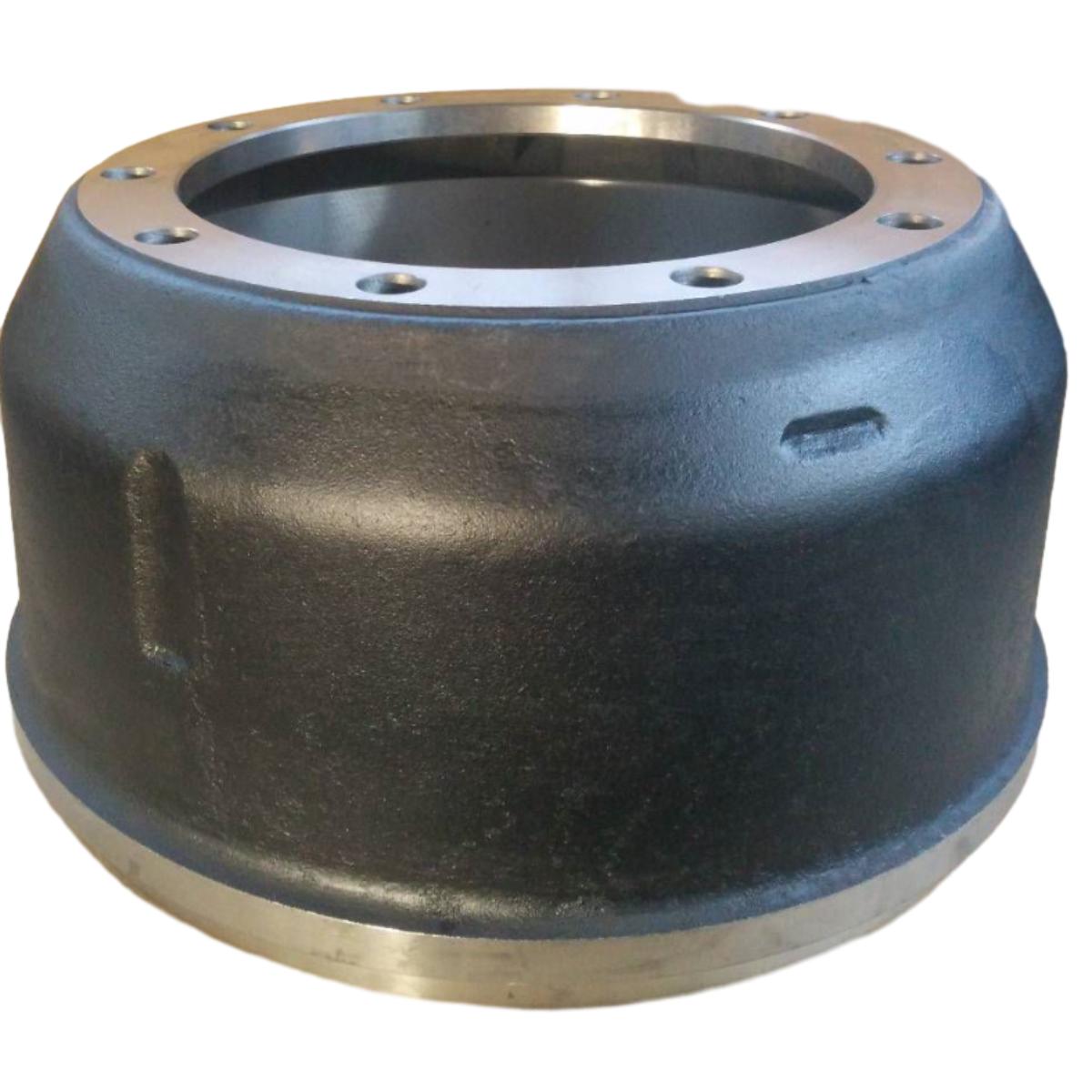
Disc brake rotors are typically manufactured from cast iron, though advanced formulations incorporating carbon, molybdenum, and other alloying elements are common to enhance thermal conductivity, wear resistance, and structural integrity. The choice of cast iron grade, such as Gray Cast Iron (G3000 or higher) or ductile iron, directly impacts performance. Manufacturing processes include casting, machining, and surface finishing. Precision machining is crucial to ensure flatness and thickness variation remains within tight tolerances. Brake pads, conversely, are composite materials. Semi-metallic pads utilize a blend of metallic powders (iron, steel, copper) with friction modifiers, binders, and fillers. Organic pads employ organic fibers, resin binders, and friction modifiers, offering quieter operation but reduced heat resistance. Ceramic pads represent a higher-performance alternative, using ceramic fibers and friction modifiers for superior heat resistance and low dust generation. Caliper bodies are often constructed from aluminum alloys (A356, T6) or cast iron. Aluminum offers a significant weight reduction, improving unsprung mass, while cast iron provides higher stiffness. Manufacturing the calipers involves investment casting or sand casting followed by precision machining. Hydraulic lines are typically constructed from reinforced rubber or stainless steel braided hoses. The manufacturing process must ensure burst pressure ratings exceeding system requirements. In contrast, drum brakes rely on steel or cast iron drums and brake shoes lined with friction material. Drum manufacturing involves deep drawing and machining, offering a lower material cost but reduced thermal capacity and efficiency.
Performance & Engineering
Disc brake performance hinges on several key engineering principles. The vented rotor design significantly improves heat dissipation compared to the solid rotors often found in basic drum brake systems. Vents create a larger surface area for convective heat transfer. The caliper, acting as a clamping force applicator, exerts pressure on the brake pads against the rotor. Caliper design (floating vs. fixed) influences stiffness and responsiveness. Hydraulic pressure, generated by the master cylinder and amplified by the braking system, is the driving force. The efficiency of the hydraulic system, including fluid compressibility and hose expansion, impacts pedal feel and response time. Force analysis reveals that disc brakes offer a more linear relationship between pedal input and braking force. This linearity provides enhanced driver control, particularly during hard braking. Environmental resistance is critical. Rotor materials must withstand high temperatures, corrosive elements, and repeated thermal cycling. Coating processes, such as zinc plating or powder coating, are employed to protect against corrosion. Compliance requirements, dictated by regulations such as FMVSS 135 in the United States, mandate minimum braking performance criteria, including stopping distance and brake fade resistance. Disc brakes consistently exceed these requirements compared to drum brakes. The reduction in unsprung weight, facilitated by lighter disc brake components, improves suspension performance and ride quality. This reduction minimizes inertia, allowing the suspension to respond more quickly to road irregularities.
Technical Specifications
| Parameter | Disc Brake (Typical) | Drum Brake (Typical) | Units |
|---|---|---|---|
| Rotor/Drum Material | Cast Iron (G3000) / Carbon Ceramic | Cast Iron / Steel | - |
| Maximum Operating Temperature | 600-800 °C | 300-400 °C | °C |
| Friction Coefficient (μ) | 0.35 - 0.55 | 0.25 - 0.45 | - |
| Weight (per corner) | 3-8 kg | 5-10 kg | kg |
| Heat Dissipation Rate | High | Low | - |
| Fade Resistance | Excellent | Poor | - |
| Stopping Distance (from 60 mph) | 30-40 m | 40-50 m | m |
Failure Mode & Maintenance
Disc brake failures typically manifest as rotor warping (runout), pad wear, caliper seizure, and hydraulic leaks. Rotor warping, often caused by uneven heating and cooling, results in brake pedal pulsation. Pad wear is a natural consequence of friction and can be monitored visually. Caliper seizure, often due to corrosion or debris accumulation, can cause dragging brakes and reduced efficiency. Hydraulic leaks, stemming from damaged hoses or seals, compromise braking force. Failure analysis reveals that aggressive braking, prolonged high-speed driving, and exposure to corrosive environments accelerate wear and tear. Maintenance procedures include regular pad inspection and replacement, rotor resurfacing or replacement, caliper lubrication, and hydraulic fluid flushing. Drum brakes are susceptible to issues such as drum warping, shoe glazing, wheel cylinder leaks, and parking brake cable failure. Drum warping, similar to rotor warping, causes pedal pulsation. Shoe glazing reduces friction coefficient. Wheel cylinder leaks compromise braking force. Parking brake cable failure prevents effective parking brake operation. Preventive maintenance for drum brakes involves shoe inspection and replacement, drum resurfacing, wheel cylinder inspection and repair, and parking brake cable adjustment. Regular inspection of all components is vital to identify potential problems before they escalate into safety hazards. Furthermore, the use of high-quality brake fluid and adherence to recommended maintenance intervals are crucial for ensuring optimal braking performance and longevity.
Industry FAQ
Q: What are the primary metallurgical considerations when selecting a rotor material for high-performance braking applications?
A: For high-performance applications, the rotor material must exhibit high thermal conductivity to dissipate heat efficiently, minimizing brake fade. Carbon content is a critical factor, influencing thermal stability and resistance to cracking. Alloying elements like molybdenum and vanadium enhance strength and wear resistance. The microstructure, specifically the graphite flake size and distribution in cast iron, directly impacts damping characteristics and resistance to thermal shock. Furthermore, materials must be carefully selected to minimize thermal expansion and maintain dimensional stability at elevated temperatures.
Q: How does the choice of brake pad material impact rotor wear rates?
A: Brake pad material significantly influences rotor wear. More aggressive pad materials, containing higher metallic content, typically provide higher friction but also exhibit greater abrasive wear on the rotor surface. Organic pads, while gentler on rotors, offer lower friction and are prone to faster wear themselves. Ceramic pads strike a balance, offering good friction and relatively low rotor wear. Careful consideration of the pad-rotor material pairing is vital to optimize braking performance and rotor longevity.
Q: What are the critical manufacturing tolerances for rotor flatness and thickness variation, and how do they affect braking performance?
A: Rotor flatness must typically be maintained within 0.025 mm (0.001 inch) to prevent uneven pad contact and vibration. Thickness variation (runout) should be limited to 0.05 mm (0.002 inch) to minimize brake pedal pulsation. Exceeding these tolerances leads to reduced braking efficiency, increased noise, and potential rotor cracking. Precision machining and dynamic balancing are essential to achieving these tolerances.
Q: What are the key considerations when selecting a hydraulic fluid for a disc brake system?
A: The hydraulic fluid must possess high boiling point to prevent vapor lock under extreme braking conditions. It must also exhibit good lubricity to protect system components, compatibility with seals, and resistance to corrosion. DOT 3, DOT 4, and DOT 5.1 fluids are common choices, with DOT 4 offering a higher boiling point than DOT 3 and DOT 5.1 being silicone-based and non-corrosive, albeit requiring specialized components. Regular fluid flushing is crucial to maintain fluid integrity.
Q: How do environmental factors, such as salt exposure, impact the longevity of disc brake components?
A: Salt exposure, particularly in coastal regions or during winter road conditions, accelerates corrosion of brake rotors, calipers, and hydraulic lines. Corrosion weakens components, reduces friction effectiveness, and can lead to premature failure. Protective coatings, such as zinc plating or powder coating, are essential to mitigate corrosion. Regular cleaning and inspection of brake components are also vital in harsh environments.
Conclusion
Disc brake systems demonstrably outperform drum brakes in critical performance parameters such as heat dissipation, fade resistance, and braking force linearity. The advanced material science and precision manufacturing techniques employed in disc brake construction contribute to their superior performance and reliability. While drum brakes offer a lower initial cost, the long-term benefits of disc brakes, including improved safety and reduced maintenance requirements, often outweigh this cost difference. The increasing demands for higher braking performance in modern vehicles and machinery will continue to drive the adoption of disc brake technology.
Looking ahead, advancements in materials science, such as the development of carbon-ceramic composites and improved cast iron alloys, will further enhance disc brake performance. Innovations in caliper design, including the integration of electronically controlled braking systems, will offer even greater control and responsiveness. Continued research into friction materials will focus on optimizing the balance between friction coefficient, wear resistance, and noise reduction. Ultimately, a thorough understanding of the engineering principles and manufacturing processes underlying disc brake technology is essential for ensuring optimal braking performance and safety.