
Introduction
Semi-elliptical brake drums and shoes represent a prevalent friction braking system employed extensively in medium-to-heavy duty commercial vehicles, including trucks, buses, and trailers. Their technical position within the vehicle’s deceleration chain is critical, translating hydraulic or pneumatic energy into frictional force applied directly to the wheel end. Core performance characteristics center around thermal capacity, frictional coefficient stability across a wide temperature range, wear resistance, and consistent braking torque delivery. The industry faces consistent challenges regarding noise, vibration, and harshness (NVH), minimizing brake fade under severe duty cycles, and adhering to increasingly stringent emissions regulations related to particulate matter generated from brake wear. This guide provides a detailed technical overview of semi-elliptical brake drum and shoe systems, encompassing material science, manufacturing processes, performance parameters, failure analysis, and relevant industry standards.
Material Science & Manufacturing
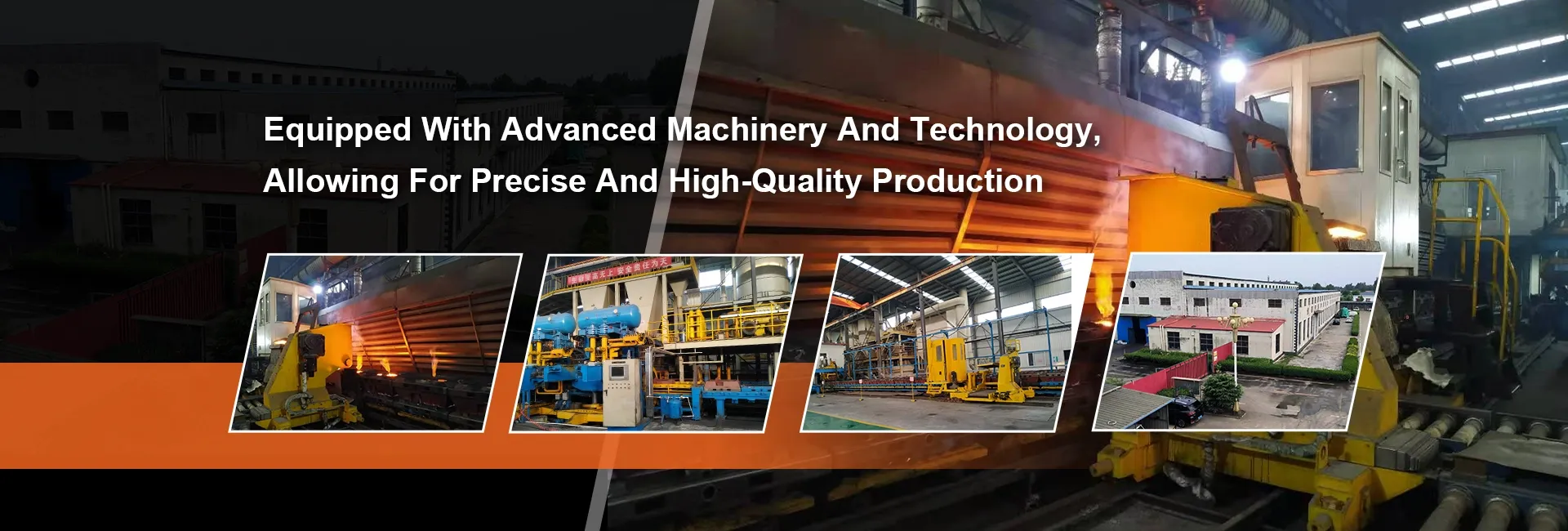
Brake drums are typically manufactured from gray cast iron, specifically grades like ASTM A48 Class 30. The selection hinges on its excellent thermal conductivity, good damping characteristics minimizing noise, and machinability. The chemical composition usually consists of 2.5-4.0% Carbon, 1.2-2.2% Silicon, 0.8-1.5% Manganese, and trace amounts of Sulfur and Phosphorus. Manufacturing involves sand casting followed by machining operations (turning, milling, grinding) to achieve precise dimensional tolerances and surface finish. Critical parameters during casting include cooling rate control to optimize the microstructure – a fine, uniformly distributed graphite flake structure is desirable for optimal damping and wear resistance. Heat treatment, specifically annealing, is often employed to relieve residual stresses induced during casting and machining. Brake shoes are typically fabricated from ductile iron (ASTM A532 Grade 65-35) or composite materials. Ductile iron offers superior strength and toughness compared to gray cast iron, resisting cracking and deformation. Composite materials, such as woven organic fibers bonded with phenolic resins, provide reduced weight and lower noise characteristics, but often at the expense of heat dissipation capacity. Manufacturing brake shoes involves powder metallurgy or resin impregnation, followed by pressing into the desired shape and machining. Friction material bonding is a critical process requiring precise control of temperature, pressure, and adhesive application to ensure a durable and consistent bond between the friction lining and the shoe core. Surface treatments, such as coating with corrosion-resistant paints, are applied to both drums and shoes to extend service life.
Performance & Engineering
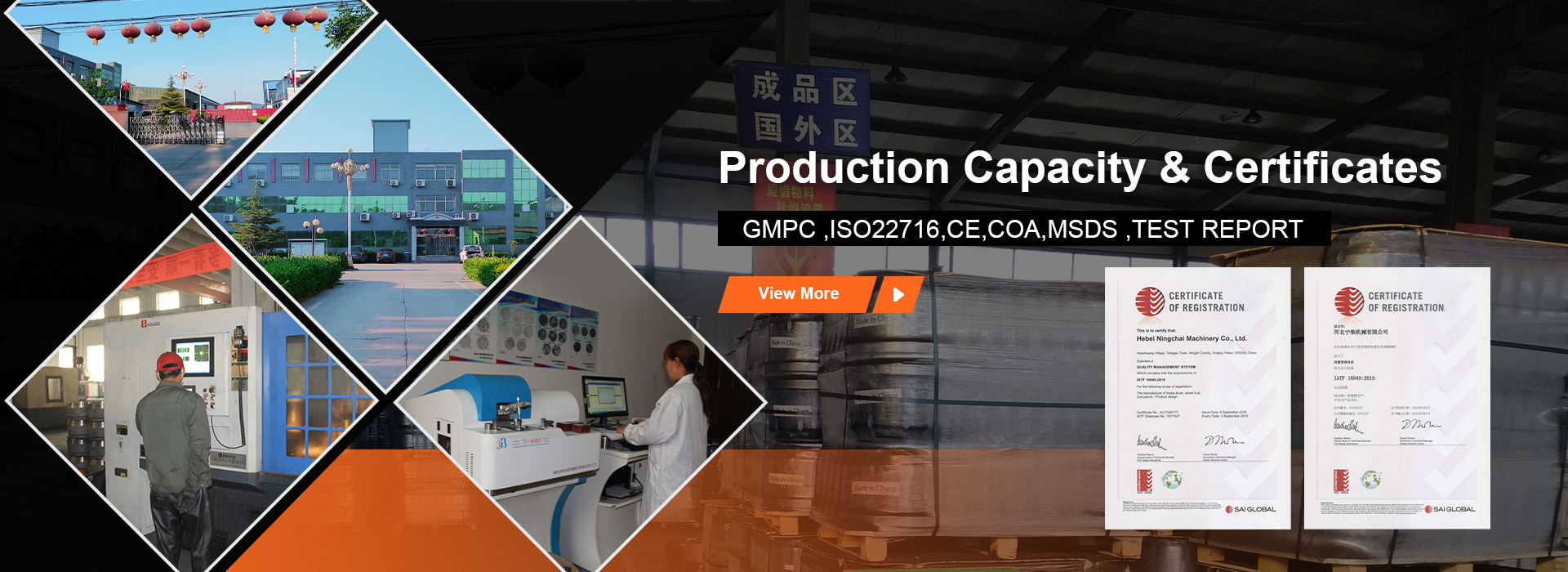
The performance of semi-elliptical brake systems is fundamentally governed by the principles of friction. The frictional force (F) is calculated as F = μN, where μ is the coefficient of friction and N is the normal force. The normal force is determined by the hydraulic pressure in the brake chamber multiplied by the effective area of the brake piston. Force analysis must account for the lever arm between the brake shoe pivot point and the friction contact surface, influencing braking torque. Environmental resistance is a significant engineering consideration. Brake drums and shoes are subjected to a wide range of temperatures, from ambient conditions to exceeding 600°C during severe braking events. Thermal expansion of the drum and shoe must be accounted for in the system design to maintain adequate clearance and prevent drag. Corrosion, induced by road salts and moisture, is a primary degradation mechanism, requiring effective surface treatments. Compliance requirements, such as FMVSS 105 in the United States and ECE R90 in Europe, dictate minimum performance standards for braking systems, including stopping distance, brake fade resistance, and brake force distribution. Functional implementation relies on precise hydraulic or pneumatic control to regulate brake pressure and ensure consistent braking performance. Considerations include brake balance (front-to-rear distribution) and anti-lock braking system (ABS) integration to optimize stability and control.
Technical Specifications
| Parameter | Typical Brake Drum Value | Typical Brake Shoe Value | Unit |
|---|---|---|---|
| Diameter | 320-410 | – | mm |
| Width | 70-140 | – | mm |
| Material (Drum) | Gray Cast Iron (A48 Class 30) | – | – |
| Material (Shoe Core) | – | Ductile Iron (A532 Grade 65-35) / Composite | – |
| Friction Material | – | Non-Asbestos Organic (NAO) / Semi-Metallic | – |
| Coefficient of Friction (μ) | 0.25-0.40 | 0.30-0.55 | – |
| Maximum Operating Temperature | 600 | 400 | °C |
Failure Mode & Maintenance
Common failure modes in semi-elliptical brake systems include brake fade, caused by overheating and reduction of the friction coefficient; thermal cracking of the brake drum due to rapid temperature cycling and thermal stress; brake shoe lining delamination resulting from insufficient bonding or exposure to excessive moisture; warping of the brake drum due to uneven heating and distortion; and corrosion of the drum and shoe surfaces leading to reduced friction and increased wear. Fatigue cracking can occur in the brake shoe core under repeated stress. Failure analysis typically involves visual inspection for cracks, wear patterns, and delamination, followed by metallurgical analysis to determine the root cause of the failure. Maintenance procedures include regular inspection of brake pad thickness, drum surface condition, and hydraulic line integrity. Brake drums should be periodically resurfaced to remove minor imperfections and maintain proper friction contact. Brake shoes should be replaced when the friction material reaches its minimum allowable thickness. Proper lubrication of brake components, such as pivot points and adjusters, is crucial for smooth operation and preventing seizure. Bleeding the brake system to remove air bubbles is essential to maintain hydraulic pressure and ensure consistent braking performance.
Industry FAQ
Q: What is the primary cause of brake squeal in semi-elliptical brake systems?
A: Brake squeal is primarily caused by friction-induced vibrations between the brake drum, shoes, and hardware. Factors contributing to squeal include variations in surface finish, loose or worn hardware, improper lubrication, and resonance frequencies excited by the braking process. Using shims or applying anti-squeal compounds can mitigate these vibrations.
Q: How does drum runout affect braking performance?
A: Excessive drum runout, or lateral wobble, creates uneven contact between the brake shoes and the drum, resulting in reduced braking efficiency, increased vibration, and uneven wear. Drum runout must be maintained within specified tolerances through periodic resurfacing or replacement.
Q: What are the advantages of using composite brake shoes over traditional ductile iron shoes?
A: Composite brake shoes offer several advantages, including reduced weight, lower noise levels, and improved damping characteristics. However, they generally have lower heat dissipation capacity and may require more frequent replacement compared to ductile iron shoes.
Q: How important is brake balance, and how is it achieved?
A: Brake balance, the optimal distribution of braking force between the front and rear axles, is critical for vehicle stability and control. Improper brake balance can lead to wheel lockup, skidding, and loss of steering control. It’s achieved through proper hydraulic system design, utilizing proportioning valves, and careful selection of brake shoe friction materials.
Q: What is the impact of using incorrect friction materials on brake system performance?
A: Using incorrect friction materials can severely compromise brake system performance. Mismatched friction coefficients between the drum and shoes can lead to uneven braking, reduced stopping power, and increased wear. Selecting friction materials specifically designed for the intended application and operating conditions is crucial.
Conclusion
Semi-elliptical brake drums and shoes represent a mature but continuously evolving braking technology. Optimizing performance necessitates a deep understanding of material science, manufacturing processes, and the complex interplay of frictional forces and thermal effects. Addressing core industry challenges, such as minimizing NVH, improving thermal management, and reducing particulate emissions, requires ongoing innovation in material composition, system design, and maintenance practices.
Future trends in brake drum and shoe technology will likely focus on the development of advanced composite materials with enhanced thermal stability and wear resistance, intelligent brake control systems integrating sensors and actuators for real-time performance optimization, and sustainable friction materials minimizing environmental impact. Continued adherence to stringent industry standards and rigorous testing procedures will remain paramount to ensuring the safety and reliability of these critical vehicle components.