

Introduction
The conversion from a drum brake system to a disc brake system is a common modification undertaken to improve braking performance and thermal management in vehicles originally equipped with drum brakes. This technical guide will comprehensively examine the feasibility, engineering considerations, material science implications, and potential failure modes associated with this conversion. Drum brakes, utilizing internal shoe expansion against a rotating drum, historically offered cost-effective stopping power, but suffer from limitations in heat dissipation and susceptibility to brake fade. Disc brake systems, conversely, employ calipers to squeeze brake pads against a rotating rotor, providing superior heat dissipation, consistent performance under heavy use, and enhanced modulation. The conversion is not a simple component swap and necessitates a detailed evaluation of vehicle compatibility, structural integrity, hydraulic system modifications, and adherence to relevant safety standards. This guide focuses on the complexities inherent in such a conversion for passenger vehicles and light-duty trucks. The core performance benefit is a measurable increase in stopping distance and a reduction in brake fade during prolonged, demanding use.
Material Science & Manufacturing
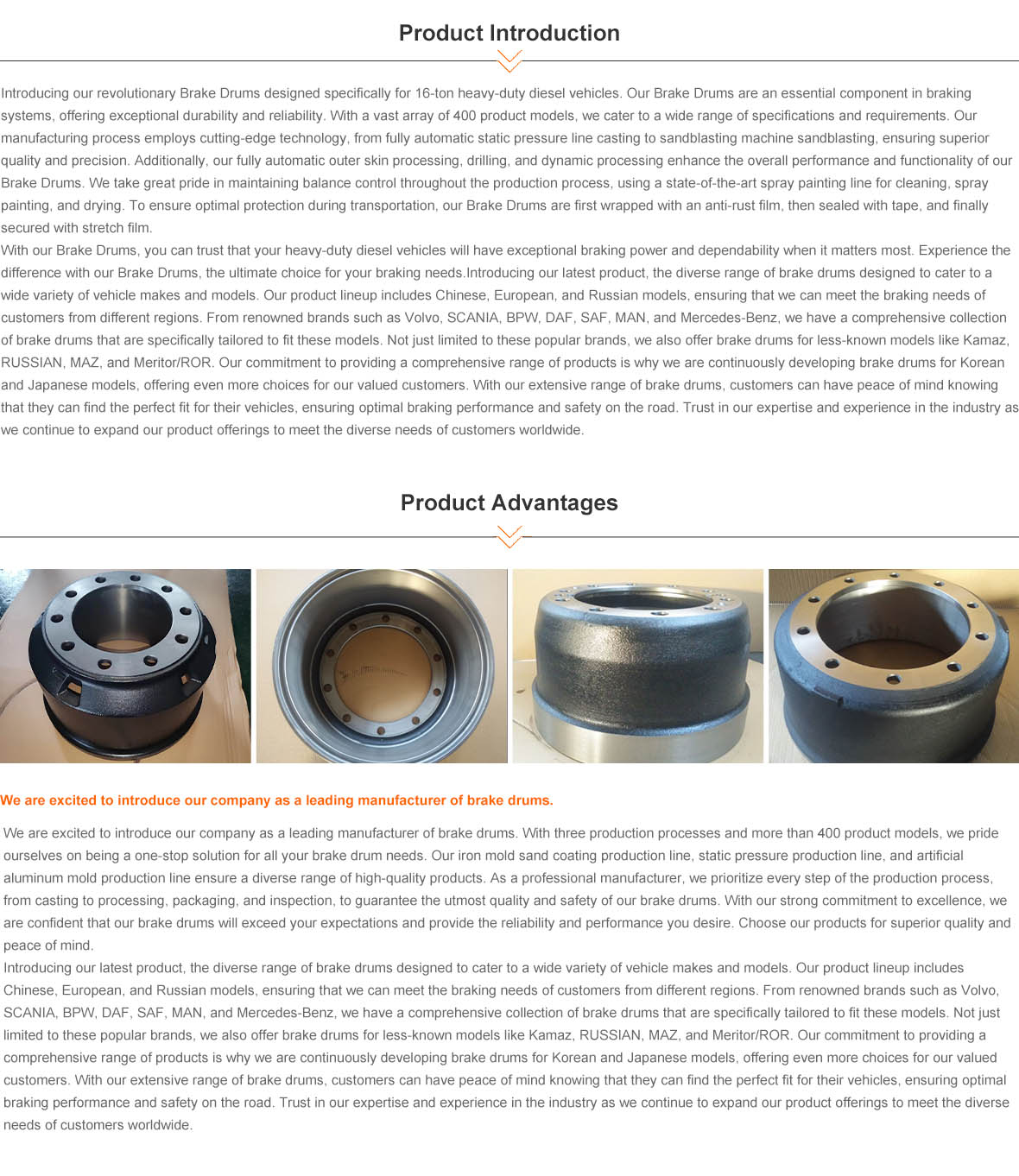
The core materials difference lies between cast iron drums and rotors, and the friction materials utilized. Drum brakes typically use cast iron drums with brake shoes lined with organic, semi-metallic, or ceramic friction materials. The cast iron composition varies (typically gray cast iron) depending on the application, prioritizing wear resistance and thermal conductivity within specific parameters. Disc brake rotors are generally manufactured from gray cast iron, carbon steel, or, in high-performance applications, carbon ceramic composites. The manufacturing processes also differ significantly. Drums are typically cast and then machined to precise dimensions, requiring tight tolerances for concentricity and surface finish. Rotors are manufactured through casting, followed by machining, and often undergo heat treatment processes like stress relieving and surface hardening to improve resistance to thermal cracking. Calipers are generally aluminum alloy die castings or forged steel. Brake pads, the consumable element of disc brake systems, employ a wider range of friction material compositions than drum brake shoes, including semi-metallic, organic, ceramic, and sintered materials. The choice of pad material dictates friction coefficient, wear rate, noise characteristics, and operating temperature range. The hydraulic lines must also be evaluated, as disc brake systems generally operate at higher pressures. Compatibility of brake fluid (DOT 3, DOT 4, DOT 5.1) with the new system's seals and materials is crucial. Incorrect fluid can lead to seal swelling, corrosion, and system failure.
Performance & Engineering
Converting to disc brakes necessitates a comprehensive engineering analysis of the vehicle's suspension and chassis. The primary consideration is the load capacity and structural integrity of the existing spindle or hub assembly. Many vehicles originally equipped with drum brakes lack the structural reinforcement required to withstand the higher clamping forces generated by disc brake calipers. Modification or replacement of the spindle is often required. The brake system's hydraulic ratio must be re-evaluated to ensure proper brake balance. Disc brakes typically require a higher master cylinder output than drum brakes to achieve comparable stopping power. A master cylinder with an increased bore size or the addition of a brake booster may be necessary. Furthermore, the parking brake mechanism needs careful consideration. Many drum brake systems integrate the parking brake directly into the drum assembly. Adapting a parking brake mechanism to a disc brake system can involve installing a separate caliper-integrated parking brake or utilizing a cable-operated system. Force analysis must consider the radial forces exerted by the calipers on the spindle, the tangential forces generated during braking, and the torsional stresses on the rotor. Environmental resistance is critical. Rotors and calipers are exposed to corrosive elements such as road salt and moisture. Corrosion prevention strategies include the application of protective coatings (zinc plating, powder coating) and the use of corrosion-resistant materials. Compliance requirements dictate adherence to FMVSS 105 (Federal Motor Vehicle Safety Standards) and equivalent international regulations governing hydraulic brake systems.
Technical Specifications
| Parameter | Drum Brake (Typical) | Disc Brake (Typical) | Conversion Considerations |
|---|---|---|---|
| Rotor/Drum Material | Gray Cast Iron | Gray Cast Iron/Carbon Steel/Carbon Ceramic | Material compatibility with existing suspension components. |
| Friction Coefficient (μ) | 0.25 - 0.40 | 0.35 - 0.55 | Requires recalibration of braking bias for optimal performance. |
| Operating Temperature (°C) | 50 - 200 | 50 - 400 | Higher operating temperatures demand more robust cooling solutions. |
| Hydraulic Pressure (MPa) | 5 - 10 | 8 - 15 | Master cylinder and brake lines must be upgraded for higher pressure. |
| Weight (per corner) | 3 - 6 kg | 4 - 8 kg | May marginally increase unsprung weight, affecting handling. |
| Heat Dissipation Rate | Low | High | Improved heat dissipation reduces brake fade. |
Failure Mode & Maintenance
Common failure modes in converted disc brake systems include rotor warping (due to uneven heat distribution), caliper piston seizure (resulting from corrosion or contamination), brake pad glazing (caused by excessive heat), and hydraulic line failure (due to corrosion or fatigue). Rotor warping manifests as pedal pulsation during braking and can be addressed by resurfacing or replacing the rotors. Caliper piston seizure can be identified by uneven pad wear and reduced braking performance; it typically necessitates caliper rebuilding or replacement. Brake pad glazing reduces friction and can be remedied by replacing the pads. Hydraulic line failure is a critical safety issue that requires immediate attention. Preventative maintenance includes regular inspection of brake lines for leaks or damage, periodic caliper lubrication, and proper bedding-in of new brake pads. Failure analysis of worn components can reveal underlying issues, such as inadequate lubrication, corrosion, or excessive operating temperatures. Cracking of the rotor is also a common failure, often caused by thermal stress. Proper rotor selection (based on vehicle weight and intended use) and avoiding harsh braking maneuvers can mitigate this risk. Furthermore, incorrect installation of the conversion kit can lead to premature failure of components. Correct torque specifications for all fasteners must be strictly adhered to.
Industry FAQ
Q: What is the primary reason for converting from drum to disc brakes?
A: The primary reason is to improve braking performance, particularly in situations demanding repeated or prolonged braking. Disc brakes offer superior heat dissipation, which minimizes brake fade and maintains consistent stopping power. They also provide more precise brake modulation.
Q: Is it always possible to directly bolt on a disc brake conversion kit?
A: No. Direct bolt-on kits are available for some vehicles, but many conversions require modifications to the spindle, hub, or mounting brackets. A thorough assessment of vehicle compatibility is essential.
Q: What are the implications of not upgrading the master cylinder during a conversion?
A: Using the original master cylinder may result in a spongy brake pedal, reduced braking force, and an imbalanced braking system. Disc brakes typically require a higher hydraulic pressure than drum brakes.
Q: How important is the choice of brake pad material in a conversion?
A: Critical. The brake pad material must be compatible with the rotor material and the vehicle's operating conditions. The chosen material affects stopping power, wear rate, noise, and dust generation.
Q: What maintenance procedures are essential after a disc brake conversion?
A: Regular inspection of brake lines, calipers, rotors, and pads is vital. Lubricate caliper slide pins, bleed the brake system periodically, and ensure proper torque on all fasteners. Monitor for signs of rotor warping or caliper seizure.
Conclusion
The conversion from drum to disc brakes is a viable method for enhancing braking performance, but it is not a universally straightforward undertaking. Successful implementation demands a detailed understanding of material science, engineering principles, and vehicle-specific requirements. Proper component selection, meticulous installation, and diligent maintenance are critical for ensuring the safety and reliability of the modified brake system. The increase in thermal capacity and reduced fade risk provided by disc brakes often justifies the complexity of the conversion for vehicles subjected to demanding driving conditions.
Future developments in brake technology, such as carbon-ceramic rotors and advanced brake control systems, will continue to drive performance improvements. Careful consideration should be given to the long-term cost of ownership, including component replacement intervals and potential maintenance needs, when evaluating the feasibility of a drum-to-disc brake conversion. Adherence to industry best practices and safety standards is paramount throughout the process.