
Bump Half Platform components represent a critical interface in orthopedic implant systems, where material integrity and dimensional accuracy directly impact surgical outcomes. The precision casting of such components requires a deep understanding of high-temperature alloy behavior, mold design, and post-processing techniques that have evolved significantly over the past decade.
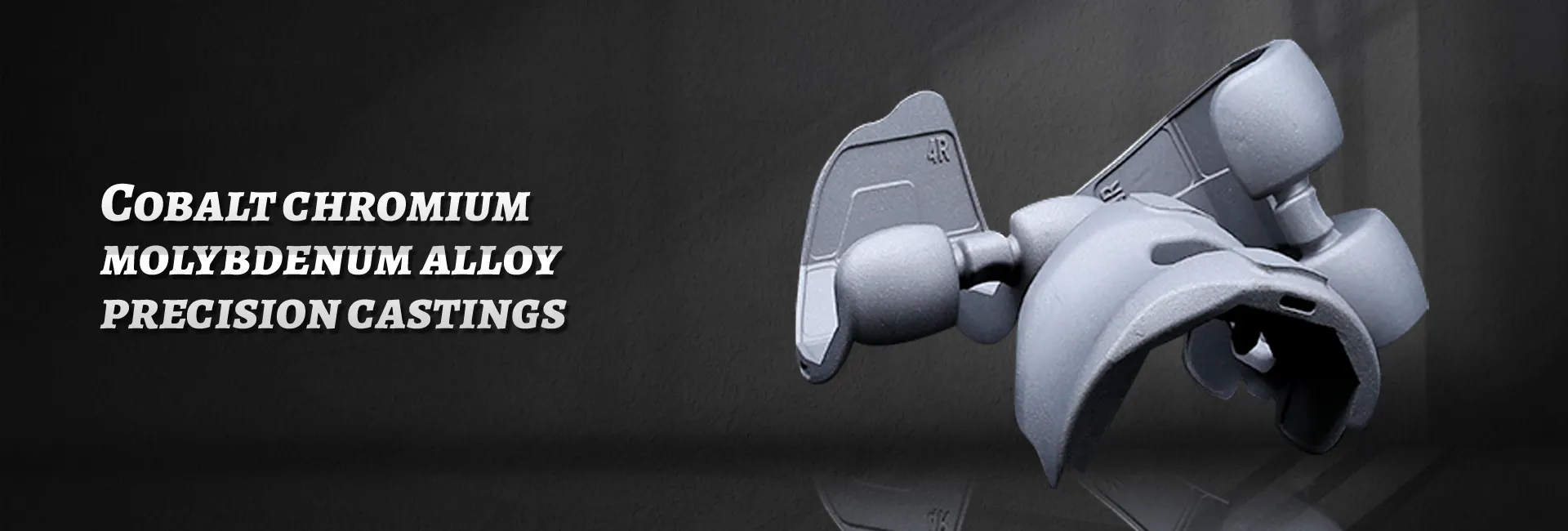
The medical implant industry has witnessed remarkable growth, driven by an aging population and increasing demand for joint replacement surgeries. This growth has placed unprecedented demands on precision casting and machining capabilities, particularly for complex geometries that must meet stringent regulatory standards. Manufacturers must balance material performance, biocompatibility, and mechanical strength while maintaining cost-effectiveness.
The Role of High-Temperature Alloys in Orthopedic Implants
High-temperature alloys, including cobalt-chromium and titanium-based materials, have become the cornerstone of orthopedic implant manufacturing. These materials offer exceptional wear resistance, corrosion resistance, and biocompatibility, making them ideal for load-bearing applications such as hip and knee replacements. The precision casting process for these alloys requires careful control of melt temperature, mold preheating, and cooling rates to achieve the desired microstructure and mechanical properties.
Recent advances in investment casting technology have enabled the production of near-net-shape components with complex internal geometries that were previously impossible to achieve through traditional machining alone. This capability is particularly valuable for the Humeral Head component, which requires precise spherical geometry and surface finish to ensure proper articulation in shoulder replacement systems. The integration of advanced casting techniques with post-casting machining allows manufacturers to meet the tight tolerances demanded by orthopedic surgeons and regulatory bodies.
Quality Control and Regulatory Compliance in Medical Casting
The medical device industry operates under some of the most stringent quality control standards in manufacturing. ISO 13485 and FDA regulations require comprehensive traceability of raw materials, process parameters, and inspection results for every component produced. For precision casting operations, this means implementing rigorous incoming material inspection, in-process monitoring, and final dimensional verification using coordinate measuring machines and non-destructive testing methods.
Defect prevention is paramount in medical implant casting. Common defects such as porosity, shrinkage, and inclusions must be minimized through optimized gating system design, proper venting, and controlled solidification. Advanced simulation software now allows foundry engineers to model the casting process and predict potential defects before production begins, significantly reducing development time and material waste while improving first-pass yield rates.
Machining Complex Geometries for Medical and Aerospace Applications
While precision casting can achieve near-net shapes, subsequent machining operations are often necessary to achieve the tight tolerances required for medical and aerospace components. Five-axis CNC machining centers equipped with advanced toolpath algorithms can produce complex freeform surfaces with micron-level accuracy. The selection of cutting tools, feeds, and speeds must be carefully optimized for each material to avoid work hardening, tool wear, and surface damage.
Surface finish is particularly critical for orthopedic implants, as it directly affects bone integration and long-term implant stability. Post-casting machining operations such as grinding, polishing, and shot peening are employed to achieve the required surface roughness and compressive residual stress profiles. The integration of precision casting and machining capabilities within a single supply chain offers significant advantages in terms of quality control, lead time reduction, and cost optimization.
Supply Chain Considerations for Critical Industries
The medical and aerospace industries require supply chain partners with demonstrated expertise in high-temperature alloy processing, validated quality management systems, and a commitment to continuous improvement. The specialization required for precision casting of orthopedic implant materials means that manufacturers must invest in dedicated equipment, trained personnel, and ongoing research and development to maintain their competitive edge.
Organizations that combine precision casting capabilities with comprehensive machining services offer a streamlined approach to component production, reducing the complexity of managing multiple suppliers. This integrated model is particularly beneficial for complex assemblies where casting and machining tolerances must be closely coordinated to ensure proper fit and function in the final product.
Future Trends in Medical Implant Manufacturing
The convergence of additive manufacturing and traditional casting is opening new possibilities for implant design and production. Hybrid approaches that combine 3D-printed patterns with investment casting allow for unprecedented design freedom while maintaining the material properties and cost advantages of conventional casting. Additionally, advanced surface treatments and coatings are being developed to enhance osseointegration and reduce the risk of implant rejection.
As the demand for personalized medicine grows, the ability to produce patient-specific implants through precision casting and machining will become increasingly important. This trend will require closer collaboration between surgeons, implant designers, and manufacturing engineers to develop solutions that optimize patient outcomes while maintaining the reliability and reproducibility required for medical device approval.