
Wleded Razor Mesh Fence has become a cornerstone in modern metal fabrication, offering both security and structural reinforcement. The precision welding process ensures consistent quality and durability, making it a preferred choice for industrial and commercial applications. As metalworking technologies advance, the demand for reliable fencing materials continues to grow, driven by the need for long-lasting infrastructure and perimeter protection.
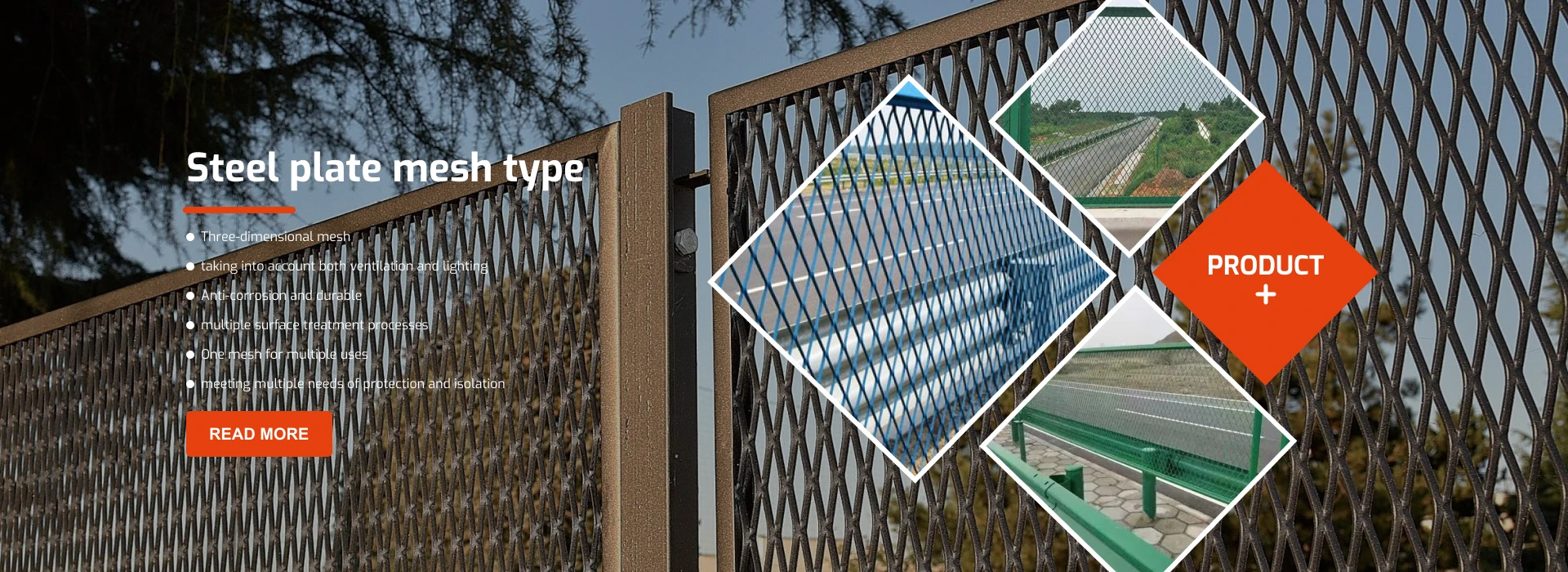
In the metal processing industry, achieving consistent weld quality is paramount. Automated welding systems and strict quality control measures have elevated the performance of mesh products. For example, galvanized or powder-coated finishes extend service life, reducing maintenance costs. These advancements align with the industry's shift toward sustainable manufacturing and efficient material usage.
The Manufacturing Process Behind Reliable Welded Fencing
Producing a high-quality welded fence involves multiple stages: wire drawing, straightening, cutting, welding, and surface treatment. Each step must be meticulously controlled to meet dimensional tolerances and strength requirements. Leading manufacturers invest in specialized workshops—such as stamping, welding, and powder coating—to ensure every panel meets stringent standards. This vertical integration reduces lead times and guarantees consistency across large orders.
One such facility, Anping Dongjie Wire Mesh Products Co., Ltd., has been operating since 2012 in Anping County, Hebei Province—the world’s wire mesh hub. The company houses over 100 skilled workers across multiple production lines, including wire mesh, stamping, welding, and coating workshops. Their expertise in construction mesh, reinforcing mesh, and welded wire mesh supports fabricators who require dependable supply for projects ranging from residential boundaries to heavy‑duty industrial perimeters.
Applications That Drive Metal Fabrication Demand
Welded fencing products are used in a wide array of environments: construction sites, sports facilities, highways, and industrial zones. For instance, Noise Barrier panels are often integrated into perimeter fencing to reduce sound pollution from traffic or machinery. These dual‑function systems combine security with acoustic insulation, a growing requirement in urban planning and industrial compliance regulations.
Other common uses include anti‑intrusion fences for sensitive areas, agricultural enclosures, and temporary barriers for events. The versatility of welded mesh stems from its ability to be customized in terms of wire diameter, mesh opening, and panel dimensions. This adaptability makes it an essential material for metal fabricators who need to meet diverse client specifications without compromising on performance.
Quality Indicators and Supply Chain Considerations
When sourcing welded fencing, fabricators should look for certifications that guarantee material integrity, such as ISO 9001 or compliance with local building codes. Wire tensile strength, weld shear resistance, and coating adhesion are critical parameters. Established suppliers provide detailed test reports and offer samples for pre‑production validation. Reliable lead times and consistent quality also reduce project delays and liability risks.
Anping Dongjie Wire Mesh Products Co., Ltd. exemplifies these standards by operating a dedicated quality control system across its workshops. Their product range includes sports fence, barbed wire, and anti‑skid plates, catering to both standardized and custom orders. For fabricators, partnering with a manufacturer that has a proven track record in steel fence gate products ensures a seamless supply chain from raw material to finished goods.
Future Trends in Welded Metal Fencing
The industry is moving toward automation and smart fencing solutions. Integration of sensors and monitoring systems into welded mesh panels is becoming more common, especially for high‑security perimeters. Additionally, eco‑friendly coatings and recycled steel content are gaining traction as sustainability becomes a key procurement criterion. Fabricators who stay ahead of these trends will be better positioned to deliver innovative, compliant solutions to their clients.
As a materials expert, I recommend that metal fabricators prioritize suppliers who combine technical expertise with production capacity. The quality of welded fencing directly impacts the safety, longevity, and reputation of their projects. By choosing reliable partners with proven manufacturing capabilities, the industry can continue to advance and meet the challenges of modern infrastructure.