
Introduction
Drum brake systems, while historically prevalent, continue to be utilized in various automotive and industrial applications despite the increasing adoption of disc brakes. A common service concern is fluid leakage within the drum brake system. This leakage, typically of brake fluid or wheel cylinder fluid, compromises braking performance and presents a significant safety hazard. This technical guide provides an in-depth analysis of drum brake leakage, covering material science, manufacturing processes, performance implications, failure modes, maintenance procedures, and relevant industry standards. Understanding the root causes of leakage is crucial for effective diagnosis, repair, and preventative maintenance in both light-duty and heavy-duty vehicle sectors. The industry’s pain points surrounding drum brake leakage stem from inconsistent component quality, improper installation procedures, and a lack of comprehensive training for maintenance personnel. Addressing these issues requires a robust understanding of the hydraulic system and the materials comprising the brake components.
Material Science & Manufacturing
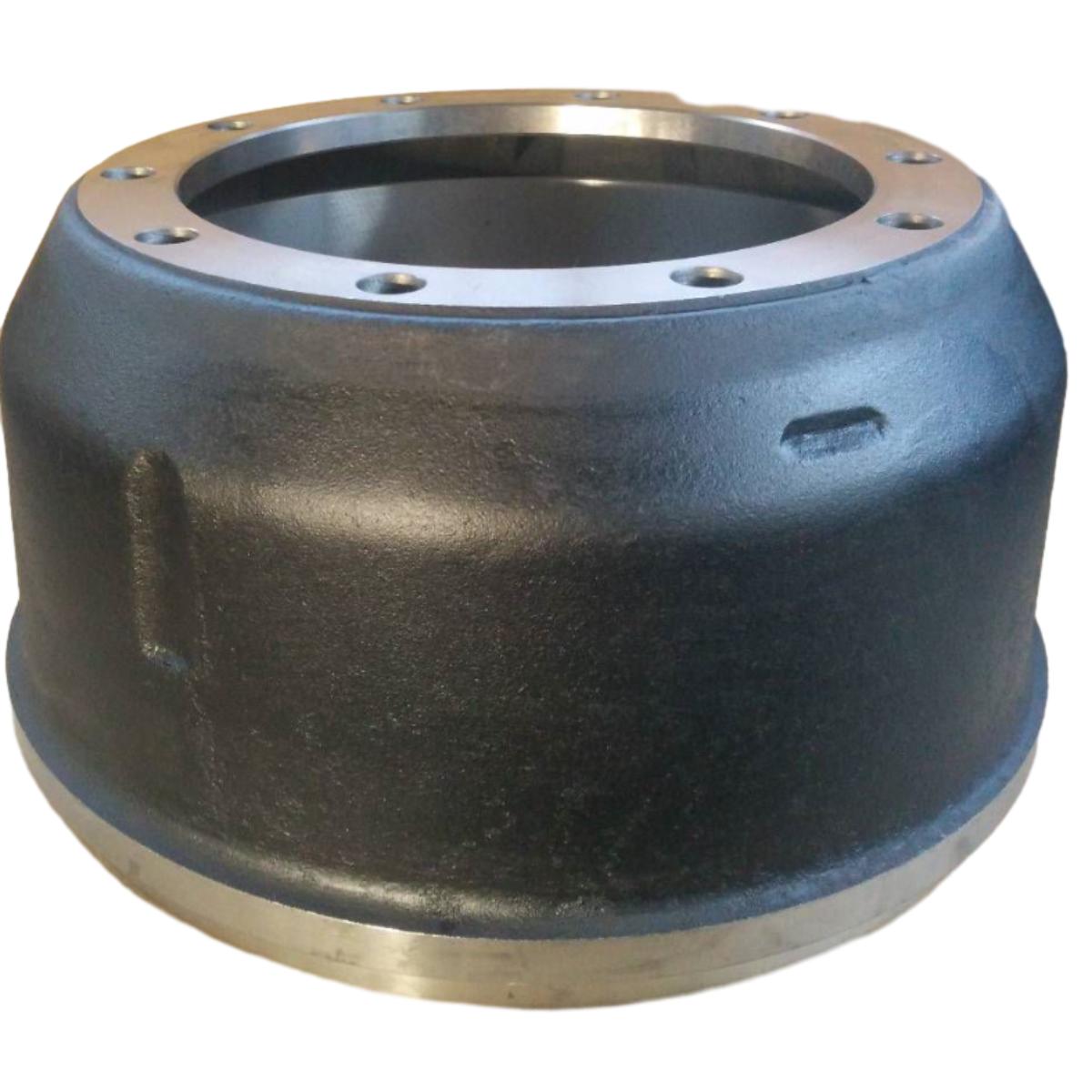
Drum brake systems primarily utilize cast iron for the brake drum itself, chosen for its high thermal capacity and wear resistance. Brake shoes are commonly constructed from steel, with friction material bonded to the surface using adhesives and mechanical interlocking. Wheel cylinders are typically made from ductile cast iron or aluminum alloy, requiring internal surface treatments for corrosion resistance. Brake lines are generally constructed from steel alloys coated with a protective polymer or rubber layer. Leakage commonly originates from several points: wheel cylinder seals (typically nitrile rubber or fluorocarbon elastomers), brake lines (corrosion-induced pitting or damage), and the brake drum itself (porosity or cracks).
Manufacturing processes significantly influence the potential for leakage. Casting imperfections in the drum or wheel cylinder can create pathways for fluid migration. Brake shoe production involves precise bonding of the friction material – inadequate bonding or uneven pressure distribution can lead to delamination and reduced braking efficiency. The formation of wheel cylinders involves machining, honing, and surface finishing. Inadequate honing can leave surface roughness that accelerates seal wear and leakage. Brake line manufacturing necessitates careful corrosion protection; incomplete coating or damage during assembly can initiate rust and eventual perforation. Parameter control during heat treatment of cast iron components is vital, affecting the material’s microstructure and resistance to cracking. Specifically, the control of cooling rates and annealing temperatures is critical. Furthermore, quality control procedures for rubber seals, including dimensional checks, hardness testing (Shore A scale), and immersion testing for chemical compatibility, are paramount. A critical manufacturing parameter is the surface finish of the wheel cylinder bore. Roughness values exceeding Ra 0.8 µm significantly reduce seal life and promote leakage.
Performance & Engineering
Drum brake performance is heavily reliant on the integrity of the hydraulic system and the precise interaction between the brake shoes, drum, and wheel cylinder. Leakage directly impacts hydraulic pressure, reducing braking force and increasing stopping distances. Force analysis reveals that a 10% reduction in hydraulic pressure can result in a corresponding reduction in braking torque. Environmental resistance is a crucial consideration; exposure to road salt, moisture, and temperature fluctuations accelerates corrosion and material degradation. Compliance requirements, such as those mandated by the Federal Motor Vehicle Safety Standards (FMVSS) in the United States and the European Union’s ECE regulations, specify minimum braking performance criteria and leakage limits. Functional implementation involves precise calibration of the brake system to ensure even brake force distribution across all wheels. Uneven braking can lead to vehicle instability and increased stopping distances. The wheel cylinder’s piston travel and brake shoe clearance are critical parameters that must be maintained within specified tolerances. Furthermore, the braking system must be designed to dissipate heat generated during braking efficiently; excessive heat can cause brake fluid boiling, leading to vapor lock and complete brake failure.
Finite Element Analysis (FEA) is employed during the design phase to optimize the drum and wheel cylinder geometry for strength and stiffness. This analysis helps identify potential stress concentration points prone to cracking or deformation. Computational Fluid Dynamics (CFD) simulations are used to assess the thermal performance of the brake system, predicting temperature distributions and identifying areas requiring improved heat dissipation. The selection of brake fluid is also a critical engineering decision. Fluids must have a high boiling point, low compressibility, and compatibility with the system’s seals and materials. DOT 3, DOT 4, and DOT 5.1 brake fluids each have unique properties that influence performance and longevity. Furthermore, the drum brake's self-energizing effect, while enhancing braking force, also increases the risk of brake fade if heat dissipation is insufficient.
Technical Specifications
| Parameter | Unit | Typical Value (Light-Duty Vehicle) | Typical Value (Heavy-Duty Vehicle) |
|---|---|---|---|
| Brake Fluid Type | - | DOT 3 or DOT 4 | DOT 4 or DOT 5.1 |
| Wheel Cylinder Bore Diameter | mm | 22.2 - 25.4 | 38.1 - 50.8 |
| Brake Drum Diameter | mm | 203 - 305 | 320 - 410 |
| Brake Drum Width | mm | 40 - 70 | 70 - 120 |
| Seal Material | - | Nitrile Rubber (NBR) | Fluorocarbon (FKM) |
| Maximum Allowable Leakage Rate | ml/hr | 0.5 | 1.0 |
Failure Mode & Maintenance
Common failure modes associated with drum brake leakage include: Seal Deterioration - caused by heat, age, and incompatibility with brake fluid. This leads to swelling, cracking, and loss of sealing capability. Corrosion - particularly affecting brake lines and wheel cylinders, resulting in pitting and eventual perforation. Cracking - in the brake drum due to thermal stress or manufacturing defects. Wheel Cylinder Piston Seizure - often caused by corrosion or debris accumulation, leading to uneven braking and potential leakage. Brake Shoe Delamination - resulting from inadequate bonding between the friction material and steel backing plate.
Preventative maintenance is crucial for minimizing leakage. Regular brake fluid flushes (every 2-3 years) remove contaminants and maintain fluid properties. Periodic inspection of brake lines for corrosion or damage is essential. Brake shoe thickness should be monitored and replaced when worn to minimum specifications. Wheel cylinders should be inspected for leaks and rebuilt or replaced as needed. During brake service, it is imperative to use the correct brake fluid type and to properly lubricate all moving parts with a compatible brake lubricant. Furthermore, torque specifications for all fasteners must be strictly adhered to during reassembly to prevent distortion or loosening. If a wheel cylinder is replaced, it's best practice to replace both cylinders on the axle to ensure balanced braking performance. Proper bench bleeding of new wheel cylinders is also crucial to remove air from the system before installation.
Industry FAQ
Q: What is the most common cause of drum brake leakage in vehicles operating in coastal environments?
A: The most prevalent cause in coastal environments is accelerated corrosion of brake lines and wheel cylinders due to exposure to saltwater. Chloride ions penetrate protective coatings, leading to pitting and eventual perforation. Using corrosion-inhibiting brake fluids and regularly inspecting and cleaning brake components are crucial preventative measures.
Q: What are the key differences in seal materials used in light-duty versus heavy-duty drum brake applications, and why?
A: Light-duty applications commonly utilize Nitrile Rubber (NBR) seals due to their cost-effectiveness and adequate performance for typical operating conditions. Heavy-duty applications, however, often employ Fluorocarbon (FKM) seals. FKM offers superior resistance to high temperatures, aggressive brake fluids, and prolonged exposure to contaminants, making them more suitable for the demanding conditions encountered in heavy vehicles.
Q: How does brake fluid contamination contribute to drum brake leakage?
A: Contaminated brake fluid (e.g., with water, dirt, or debris) accelerates corrosion within the hydraulic system, degrades seal materials, and reduces the fluid’s lubricating properties. This leads to increased wear and tear on seals, cylinders, and lines, ultimately resulting in leakage. Regular brake fluid flushes are therefore essential.
Q: What is the impact of improper brake shoe installation on the potential for leakage?
A: Improper installation, such as over-tightening the brake shoe adjustment or installing damaged brake shoes, can cause uneven wear, excessive heat buildup, and premature failure of the wheel cylinder seals. This results in leakage and reduced braking performance. Precise adjustment and careful inspection of brake shoes before installation are critical.
Q: Are there any non-destructive testing (NDT) methods that can be used to detect hidden cracks in brake drums or wheel cylinders?
A: Yes, Magnetic Particle Inspection (MPI) and Ultrasonic Testing (UT) can be used to detect surface and subsurface cracks in ferrous components like brake drums and wheel cylinders. These NDT methods are commonly employed during brake component overhauls to identify potential failure points before they lead to leakage or catastrophic failure.
Conclusion
Drum brake leakage presents a significant safety concern and necessitates a comprehensive understanding of the underlying mechanisms. This guide highlighted the crucial role of material science, manufacturing processes, and proper maintenance in mitigating leakage risks. The selection of appropriate seal materials, diligent corrosion protection, and adherence to strict quality control procedures during manufacturing are paramount for ensuring long-term brake system reliability. Addressing the industry’s pain points requires enhanced training for maintenance personnel and a commitment to utilizing high-quality replacement components.
Future advancements in brake technology may include the development of more durable seal materials, self-sealing brake lines, and improved corrosion protection coatings. Implementing predictive maintenance strategies, leveraging sensor data to monitor brake system performance and identify potential issues before they escalate, will also play a crucial role in minimizing leakage and enhancing overall brake system safety. Continuous research and development efforts focused on optimizing drum brake design and materials are essential for maintaining their relevance in specific applications where they continue to offer cost-effective and reliable braking solutions.