
Introduction
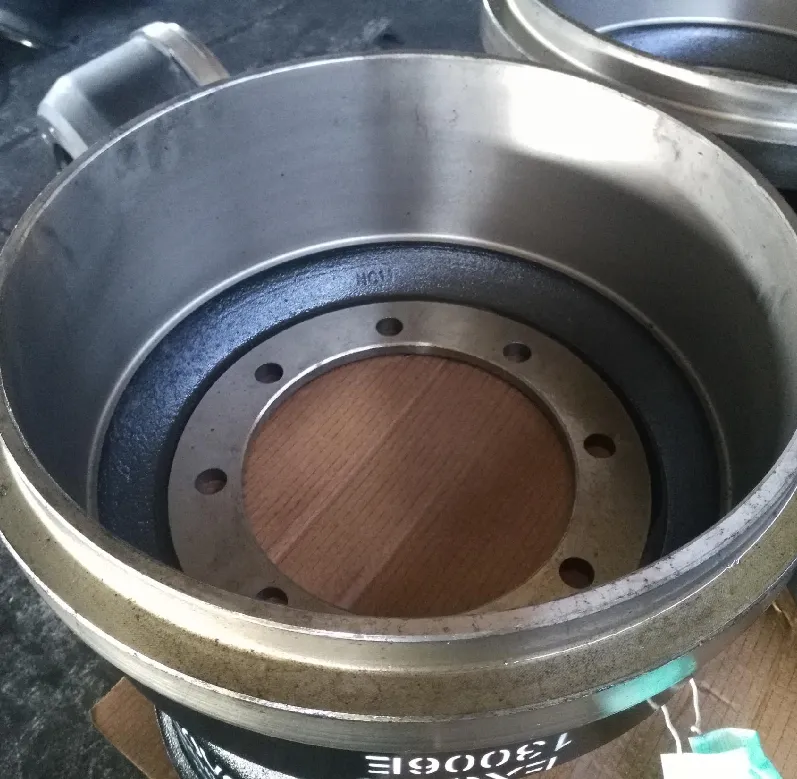
Drum brakes, while historically prevalent, are susceptible to seizure due to corrosion, infrequent use, and the accumulation of road debris. This technical guide details the processes and considerations involved in unseizing drum brakes, moving beyond simple brute force methods to encompass a material science understanding of the corrosion mechanisms, appropriate application of force, and preventative maintenance strategies. Seized drum brakes represent a significant safety concern, compromising braking performance and potentially leading to vehicle malfunctions. The primary issue lies in the formation of corrosion products between the brake shoes and the drum’s inner surface, creating a mechanical lock. This document aims to provide a comprehensive methodology for safely and effectively restoring brake functionality, covering inspection, disassembly, cleaning, and preventative measures, with specific attention to the metallurgical aspects and industry best practices.
Material Science & Manufacturing
Drum brake components are typically manufactured from cast iron, chosen for its high thermal capacity, wear resistance, and cost-effectiveness. The drum itself is often made of gray cast iron (ASTM A48 Class 30) due to its ability to dissipate heat generated during braking. Brake shoes utilize a friction material bonded to a steel backing plate. Common friction materials include organic compounds, semi-metallic compositions, and non-asbestos organic (NAO) materials. The steel backing plate is usually low-carbon steel (SAE 1010). The corrosion process in drum brakes is primarily electrochemical, initiated by moisture and road salts. Iron oxides (rust) are formed on both the drum and shoe surfaces. The type of corrosion – pitting, uniform, or galvanic – depends on the electrolyte composition and the presence of dissimilar metals. The manufacturing process of both the drum and shoes involves casting, machining, and surface finishing. Surface finish, particularly roughness, influences the initial adhesion of corrosion precursors. Furthermore, the presence of residual stresses from manufacturing can accelerate corrosion initiation. The bonding agent between the friction material and the steel backing plate is crucial; delamination of this bond can contribute to mechanical locking and brake failure. Understanding the material composition and manufacturing processes is key to selecting the appropriate corrosion removal techniques.
Performance & Engineering
The force required to overcome a seized drum brake is a function of the corrosion product’s shear strength, the contact area between the shoe and the drum, and the applied force. Excessive force can lead to damage to the drum or the backing plate, creating a more significant repair issue. Applying heat can assist in breaking the corrosion bond by inducing thermal expansion differences between the drum and the shoe. However, uncontrolled heating can compromise the temper of the cast iron, reducing its hardness and increasing wear. Engineering considerations include the lever arm ratio of the brake actuation mechanism and the force distribution across the brake shoes. Uneven force application during unseizing can result in localized stress concentrations and potential component failure. Brake system performance is directly tied to the precision of the drum's circularity and the flatness of the shoe contact surface. Any deformation during the unseizing process negatively impacts braking efficiency and contributes to uneven wear. Compliance requirements, such as those stipulated by DOT (Department of Transportation) and SAE (Society of Automotive Engineers), mandate specific braking performance characteristics, including stopping distance and fade resistance. Addressing seized brakes is not just about restoring motion but ensuring the system meets these critical safety standards.
Technical Specifications
| Component | Material | Typical Hardness (BHN) | Corrosion Resistance (ASTM B117 - Salt Spray Test) | Coefficient of Friction (μ) - Friction Material |
|---|---|---|---|---|
| Brake Drum | Gray Cast Iron (ASTM A48 Class 30) | 180-240 | < 5 mg/cm² after 24 hours | N/A |
| Brake Shoe Backing Plate | Low Carbon Steel (SAE 1010) | 120-180 | 10-20 mg/cm² after 24 hours | N/A |
| Friction Material (NAO) | Non-Asbestos Organic | N/A | N/A | 0.35-0.45 |
| Friction Material (Semi-Metallic) | Semi-Metallic Composites | N/A | N/A | 0.40-0.55 |
| Brake Shoe Retaining Spring | Spring Steel (SAE 675) | 400-500 | < 2 mg/cm² after 24 hours | N/A |
| Wheel Cylinder Piston | Cast Iron | 200-280 | < 8 mg/cm² after 24 hours | N/A |
Failure Mode & Maintenance
The primary failure mode in seized drum brakes is adhesive wear resulting from corrosion product bonding. Corrosion initiates at surface imperfections and accelerates in the presence of chlorides. Fatigue cracking can occur in the brake shoes and drum due to repeated stress cycles, exacerbated by corrosion-induced stress concentrations. Delamination of the friction material from the backing plate is another common failure, often linked to poor bonding or moisture ingress. Oxidation of the steel components contributes to material degradation over time. Maintenance is crucial to prevent seizure. Regular inspections for rust and corrosion are essential. Applying a high-temperature brake grease to the contact points between the shoes and the backing plate can create a barrier against moisture. Periodic brake adjustments ensure proper clearance and prevent the shoes from dragging against the drum. Disassembly and thorough cleaning of the brake assembly every 2-3 years (or more frequently in harsh environments) are recommended. After unseizing, a thorough inspection for cracks and deformation is vital. Resurfacing or replacing the drum if it is excessively worn or damaged is crucial for restoring optimal braking performance. Proper storage of vehicles during periods of inactivity, including covering the brakes to prevent moisture exposure, can significantly extend their lifespan.
Industry FAQ
Q: What is the optimal method for initially assessing the severity of a seized drum brake without complete disassembly?
A: The initial assessment should involve attempting to rotate the wheel manually. Significant resistance, accompanied by a grinding noise, indicates a severe seizure. Next, inspect the brake drum for visible signs of rust and corrosion, particularly around the access ports. Attempt to actuate the brake pedal; a spongy or unresponsive feel suggests a hydraulic issue potentially contributing to the seizure. A visual inspection with a borescope through the access port can reveal the condition of the brake shoes and the internal drum surface, helping to determine the extent of corrosion.
Q: What are the risks associated with using excessive force, such as hammering, to unseize a drum brake?
A: Applying excessive force can cause irreversible damage to the drum and the brake shoes, potentially requiring their replacement. Hammering can also deform the drum, creating an out-of-round surface that leads to uneven braking and premature wear. Furthermore, excessive force can damage the wheel cylinder, resulting in brake fluid leaks and system failure. Controlled application of penetrating oil and gradual persuasion are preferred over brute force.
Q: What type of penetrating oil is most effective for dissolving corrosion within a drum brake assembly, and what is the recommended application method?
A: Penetrating oils containing a mixture of solvents, esters, and corrosion inhibitors are most effective. Products formulated specifically for rusted parts, such as those containing molybdenum disulfide, are highly recommended. The recommended application method involves applying the oil liberally through all available access ports, allowing ample soak time (ideally overnight). Repeated applications, combined with gentle tapping, can help the oil penetrate the corrosion layers. Avoid applying excessive pressure during initial attempts to rotate the drum, allowing the oil to work its way into the seized areas.
Q: After successfully unseizing a drum brake, what specific inspections must be performed to ensure safe and reliable operation?
A: After unseizing, thoroughly inspect the brake shoes for cracks, delamination, and excessive wear. Check the drum for ovality, scoring, and cracks. Inspect the wheel cylinder for leaks and proper piston travel. Verify the functionality of the parking brake cable and the automatic adjusters. A complete brake fluid flush and bleed are essential to remove any contaminants introduced during the unseizing process. A road test is crucial to confirm proper braking performance and identify any remaining issues.
Q: What preventative measures can be implemented to minimize the risk of future drum brake seizure, especially in vehicles exposed to harsh weather conditions?
A: Regular brake inspections and maintenance are paramount. Applying a corrosion inhibitor to the drum's inner surface during reassembly can provide long-term protection. Ensure the parking brake is not engaged for extended periods, as this can contribute to shoe dragging and corrosion. Store vehicles in a dry environment whenever possible. If the vehicle is stored outdoors, use a breathable cover to protect the brakes from moisture. Consider upgrading to stainless steel brake hardware for enhanced corrosion resistance.
Conclusion
Successfully unseizing drum brakes requires a detailed understanding of the underlying material science, corrosion mechanisms, and the engineering principles governing brake system performance. Brute force methods are often counterproductive and can inflict irreparable damage. A methodical approach involving careful inspection, appropriate application of penetrating oils, controlled force, and thorough post-repair inspections is essential. The long-term reliability of drum brakes depends on proactive preventative maintenance, including regular inspections, corrosion protection, and timely component replacement.
The preventative measures outlined in this guide are crucial in mitigating future seizures. Employing appropriate corrosion inhibitors, ensuring proper brake adjustment, and storing vehicles in suitable conditions significantly extend brake lifespan. Furthermore, adherence to industry standards (ASTM, SAE) and regulatory requirements (DOT) is paramount for ensuring vehicle safety and compliance. Continued advancements in material science and surface treatment technologies offer potential for developing even more durable and corrosion-resistant brake components.