
Introduction
Drum brakes exhibiting a grabbing sensation at low speeds represent a critical safety and performance concern in vehicular systems. This phenomenon, characterized by abrupt and uneven deceleration, deviates from the intended smooth braking action. The issue stems from inconsistencies in friction interface dynamics within the drum brake assembly. This guide provides an in-depth technical analysis of drum brake grabbing, encompassing material science, manufacturing processes, performance engineering, failure modes, and relevant industry standards. Understanding the root causes of grabbing, beyond simple adjustment issues, necessitates a nuanced examination of friction material composition, drum and shoe surface conditions, and the effects of environmental factors. The core performance impacted includes braking efficiency, driver control, and component longevity. Effective diagnosis and remediation require a systematic approach rooted in understanding the interplay of these complex variables. This document aims to provide engineers, technicians, and procurement professionals with the knowledge to mitigate this critical brake system issue.
Material Science & Manufacturing
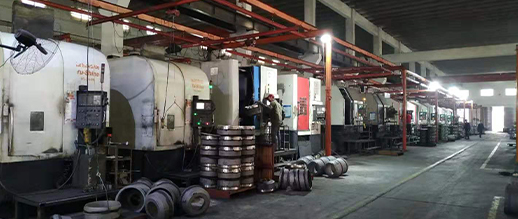
The primary materials involved in drum brake systems – cast iron for the drum and brake shoes, and friction materials bonded to the shoes – dictate the system’s susceptibility to grabbing. Cast iron drums are typically composed of gray cast iron (ASTM A48 Class 30) due to its damping characteristics and wear resistance. However, variations in the graphite flake size and distribution can impact frictional behavior. Brake shoes are constructed from ductile cast iron for structural integrity, with friction materials bonded via a high-temperature adhesive process. These friction materials are complex composites, traditionally containing asbestos (now largely replaced due to health concerns) with formulations based on organic (phenolic resin-based) or metallic (iron, copper, steel fiber) compositions. The coefficient of friction is heavily influenced by the material blend and operating temperature. Manufacturing processes directly impact surface finish, crucial for minimizing friction variation. Drum machining (turning and honing) dictates surface roughness (Ra), ideally below 1.6 µm. Shoe manufacturing involves pressing or molding the friction material onto the shoe core, requiring precise control of bonding pressure and temperature to ensure uniform adhesion and prevent delamination. Improper heat treatment of the cast iron components can lead to residual stresses, causing warping or uneven wear. Quality control during the bonding process is vital; voids or inconsistencies in the friction material affect heat dissipation and contribute to uneven friction distribution. The use of automated bonding machines coupled with non-destructive testing (ultrasonic inspection) is essential to maintain consistent quality.
Performance & Engineering
The grabbing phenomenon is fundamentally a result of a non-uniform friction coefficient across the brake shoe-drum interface. Force analysis reveals that even a minor variation in friction coefficient between different sections of the shoe can lead to localized heating and uneven braking torque. This imbalance causes the brake to “bite” abruptly, resulting in the grabbing sensation. Environmental resistance plays a significant role. Moisture ingress, particularly in humid climates, can cause surface corrosion on the drum and shoe, altering the friction coefficient. Similarly, exposure to road salt exacerbates corrosion. Engineering design considerations include shoe geometry (arc of contact, width, and length) and spring rates. Improperly designed springs can lead to uneven pressure distribution, amplifying friction variations. Compliance requirements, as defined by FMVSS 105 in the United States and ECE R13 in Europe, mandate specific braking performance criteria, including stopping distances and brake force distribution. Drum brake systems must meet these standards consistently. The rate of drum and shoe expansion and contraction during heating and cooling significantly impacts the interface dynamics. Thermal expansion differentials create transient variations in contact pressure. Finite element analysis (FEA) is frequently employed to model thermal stress distribution and optimize brake component design for minimizing these effects. The hydraulic system's responsiveness and wheel cylinder integrity are also critical. A slow or inconsistent hydraulic response exacerbates uneven friction application.
Technical Specifications
| Parameter | Typical Value (Passenger Vehicle) | Unit | Impact on Grabbing |
|---|---|---|---|
| Drum Inner Diameter | 203 | mm | Affects leverage and frictional force |
| Shoe Width | 50 | mm | Determines frictional area and heat dissipation |
| Friction Material Coefficient of Friction (μ) | 0.25 – 0.40 | Dimensionless | Directly influences braking force and grabbing tendency |
| Drum Surface Roughness (Ra) | < 1.6 | µm | High Ra increases friction variation and grabbing |
| Friction Material Density | 2.0 – 2.5 | g/cm³ | Impacts heat capacity and wear rate |
| Wheel Cylinder Bore Diameter | 19 – 22 | mm | Influences hydraulic pressure and braking force |
Failure Mode & Maintenance
Common failure modes contributing to drum brake grabbing include: 1) Friction Material Glazing: Excessive heat causes the friction material to vitrify, reducing friction and creating inconsistent contact. 2) Drum Out-of-Roundness: Wear or thermal distortion leads to a non-circular drum shape, resulting in uneven shoe contact. 3) Shoe Delamination: Bond failure between the friction material and the shoe core creates localized areas of reduced friction. 4) Contamination: Oil, grease, or brake fluid contamination reduces friction and promotes uneven wear. 5) Rust and Corrosion: Surface corrosion alters the friction coefficient and creates high spots. 6) Wheel Cylinder Seizure: Corrosion or debris can cause the wheel cylinder pistons to seize, leading to uneven brake application. Maintenance solutions involve regular inspections for glazing, drum runout, and shoe condition. Resurfacing or replacing the drum is necessary if out-of-roundness exceeds permissible limits. Shoes should be replaced when the friction material is worn below the minimum specified thickness. Thorough cleaning of all brake components with brake cleaner is essential. Wheel cylinders should be inspected and rebuilt or replaced as needed. Periodic adjustment of the brake shoes to maintain proper clearance is crucial, but over-adjustment can also contribute to grabbing. Proper lubrication of moving parts (excluding friction surfaces) prevents seizure and ensures smooth operation. A thorough brake fluid flush should also be performed to remove any contaminants.
Industry FAQ
Q: What is the primary difference between organic and metallic friction materials in terms of grabbing propensity?
A: Organic materials generally exhibit a more consistent coefficient of friction across a wider temperature range, reducing the likelihood of sudden friction changes that cause grabbing. Metallic materials, while offering higher heat dissipation, are more susceptible to variations in friction based on temperature and surface conditions, increasing the risk of grabbing, especially at lower temperatures or when contaminated.
Q: How does drum runout affect braking performance and contribute to grabbing?
A: Drum runout, or deviation from perfect circularity, causes the brake shoes to contact the drum surface with varying pressure. This uneven pressure distribution creates localized hotspots and inconsistent friction, leading to grabbing. The greater the runout, the more pronounced the grabbing sensation will be.
Q: What role does brake fluid contamination play in causing drum brake grabbing?
A: Contaminated brake fluid (with moisture, oil, or debris) can cause corrosion of internal brake components, including the wheel cylinder and drum surface. Corrosion alters the friction coefficient and can lead to uneven wear and sticking pistons, both of which contribute to grabbing. Furthermore, contaminated fluid can lead to a spongy brake pedal feel, exacerbating the issue.
Q: Beyond physical inspection, what diagnostic tools are most effective in identifying the root cause of drum brake grabbing?
A: A dial indicator can accurately measure drum runout. A brake lathe can assess drum and shoe surface condition and facilitate resurfacing. Thermal imaging can identify hotspots on the drum and shoe surfaces, indicating uneven friction distribution. Brake fluid analysis can detect contamination and moisture content. Dynamic brake testing with a chassis dynamometer allows for precise measurement of brake force and detection of inconsistencies.
Q: What are the long-term consequences of ignoring a grabbing drum brake issue?
A: Ignoring a grabbing drum brake issue leads to accelerated wear of both the drums and shoes, potentially resulting in catastrophic brake failure. Uneven wear can also damage the wheel cylinders and other brake system components. Furthermore, consistent grabbing generates excessive heat, increasing the risk of brake fade and reduced braking effectiveness, compromising vehicle safety.
Conclusion
Drum brake grabbing at low speeds is a multifaceted issue stemming from the complex interplay of material properties, manufacturing tolerances, environmental conditions, and hydraulic system performance. A thorough understanding of the friction dynamics within the drum brake assembly, coupled with meticulous inspection and maintenance procedures, is essential for mitigating this problem. The use of advanced diagnostic tools and adherence to industry standards are vital for ensuring optimal braking performance and vehicle safety.
Future developments in drum brake technology are likely to focus on improved friction material formulations with enhanced thermal stability and reduced sensitivity to environmental factors. Furthermore, advancements in drum manufacturing processes aimed at achieving tighter tolerances and superior surface finishes will contribute to minimizing grabbing tendencies. Continuous monitoring of braking performance through sensor-based systems and predictive maintenance algorithms will also play an increasingly important role in preventing and addressing drum brake issues proactively.