

Introduction
Drum brakes are a foundational braking system in automotive and industrial applications, representing a significant portion of the braking market despite the increasing prevalence of disc brakes. The system comprises several critical components working in concert to convert kinetic energy into thermal energy via friction, ultimately decelerating or stopping a rotating shaft. Key components include the brake drum itself, brake shoes, wheel cylinders, springs, and associated hardware. Understanding the intricacies of these parts—their material composition, manufacturing processes, performance characteristics, and potential failure modes—is paramount for engineers, procurement specialists, and maintenance personnel. The drum brake’s continued relevance stems from its cost-effectiveness, self-energizing action offering greater braking force with less pedal effort, and suitability for parking brake applications. This guide provides an in-depth technical analysis of the main parts of a drum brake, addressing material science, manufacturing, performance, failure analysis, and relevant industry standards.
Material Science & Manufacturing
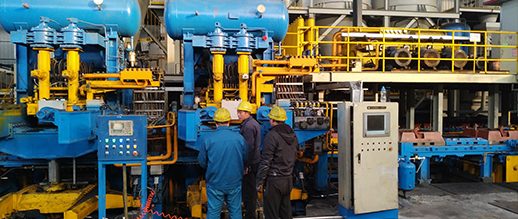
The core components of a drum brake utilize diverse material properties tailored to specific functional requirements. The brake drum itself is traditionally manufactured from cast gray iron, specifically grades like ASTM A48 Class 30 or equivalent ISO standards, chosen for its excellent heat dissipation capabilities, wear resistance, and cost-effectiveness. However, composite materials and nodular cast iron are increasingly employed in higher-performance applications to reduce weight and improve thermal conductivity. The manufacturing process involves sand casting followed by machining to achieve precise dimensions and surface finish. Critical parameters during casting include cooling rate control to minimize residual stresses and prevent cracking. Brake shoes are typically constructed from steel, stamped or machined into the desired shape, and then lined with friction material. This friction material is a composite consisting of organic or semi-metallic compounds, including phenolic resins, asbestos (historically, now largely phased out due to health concerns, replaced by non-asbestos organic materials or low-metallic formulations), steel wool, and friction modifiers. Wheel cylinders, responsible for hydraulically actuating the brake shoes, are generally made from ductile iron or aluminum alloy, manufactured through casting and precision machining. Spring components, vital for retraction and stabilization, are produced from high-carbon spring steel (e.g., SAE 675) via cold forming or wire drawing, followed by heat treatment to achieve the necessary tensile strength and elasticity. Manufacturing tolerances across all components are tightly controlled, as even minor deviations can significantly affect braking performance and longevity.
Performance & Engineering
The performance of a drum brake system is heavily reliant on several engineering principles and considerations. Force analysis dictates the required hydraulic pressure to generate sufficient frictional force against the drum. This force is determined by factors such as vehicle weight, deceleration rate, drum diameter, and coefficient of friction of the lining material. The self-energizing effect, inherent in drum brake design, amplifies braking force; as the shoes rotate with the drum, they are forced more tightly against the drum surface, increasing friction. However, this effect also introduces complexities in control and can contribute to brake fade under prolonged heavy use. Environmental resistance is a critical performance parameter. Components are subjected to significant thermal stresses during braking cycles. Heat dissipation within the drum and shoes is paramount to prevent overheating and brake fade. Corrosion resistance is also essential, particularly for components exposed to road salt and moisture. Compliance requirements, dictated by regulations such as FMVSS 105 in the United States or ECE R13 in Europe, mandate minimum braking performance standards, including stopping distance, brake force distribution, and parking brake effectiveness. Functional implementation involves precise adjustment of the brake shoes to the drum, ensuring even contact and optimal friction. Proper hydraulic system maintenance, including fluid level checks and bleed procedures, is crucial to maintain consistent braking performance.
Technical Specifications
| Component | Material | Typical Hardness (Rockwell C) | Tensile Strength (MPa) | Operating Temperature (°C) | Coefficient of Friction (μ) |
|---|---|---|---|---|---|
| Brake Drum | Cast Gray Iron (ASTM A48 Class 30) | 180-220 | 200-250 | 50-300 | 0.25-0.40 |
| Brake Shoe | Steel (SAE 1010) | 60-70 | 400-550 | 50-200 | N/A (Steel only; lining determines friction) |
| Brake Lining | Semi-Metallic Composite | 65-85 | 300-400 | 50-350 | 0.30-0.55 |
| Wheel Cylinder | Ductile Iron | 150-200 | 400-600 | -40-150 | N/A |
| Spring (Retractor) | High-Carbon Spring Steel (SAE 675) | 55-65 | 800-1000 | -50-200 | N/A |
| Adjuster Screw | Steel (Grade 5) | 40-50 | 570-720 | -30-120 | N/A |
Failure Mode & Maintenance
Drum brake systems are susceptible to several failure modes. Fatigue cracking in the brake drum, particularly around mounting holes or areas of high stress concentration, is a common issue, often initiated by thermal fatigue or impact damage. Brake shoe lining wear is inevitable and depends on driving conditions and lining material quality; excessive wear reduces braking efficiency. Delamination of the lining from the shoe can occur due to inadequate bonding or exposure to moisture. Wheel cylinder failure, often manifested as fluid leaks, can result from corrosion, seal degradation, or piston seizure. Spring breakage compromises retraction force, leading to dragging brakes and uneven wear. A significant failure mode is brake fade, caused by overheating of the drum and linings, reducing the coefficient of friction. Maintenance procedures include regular inspection of lining thickness, drum surface condition (checking for scoring or cracking), wheel cylinder seals, and spring integrity. Periodic brake adjustments are crucial to compensate for lining wear and maintain optimal pedal travel. Resurfacing or replacing the brake drum may be necessary if it becomes excessively worn or damaged. Complete brake shoe replacement is recommended when the lining reaches its minimum allowable thickness. Bleeding the hydraulic system is essential to remove air bubbles and maintain consistent braking force.
Industry FAQ
Q: What are the primary advantages of using composite materials for brake drums instead of traditional cast iron?
A: Composite materials, particularly carbon-ceramic composites, offer significantly reduced weight compared to cast iron, leading to lower unsprung mass and improved vehicle handling. They also exhibit superior thermal conductivity, which enhances heat dissipation and reduces the risk of brake fade during demanding braking scenarios. While more expensive, the performance benefits justify their use in high-performance vehicles.
Q: How does the coefficient of friction of the brake lining material impact stopping distance and pedal feel?
A: A higher coefficient of friction generally results in shorter stopping distances, as it indicates a greater force generated for a given clamping pressure. However, excessively high friction can lead to harsh pedal feel and increased brake noise. Lining manufacturers carefully balance these characteristics to optimize braking performance and driver comfort.
Q: What are the key considerations when selecting a brake lining material for a specific application?
A: Selection depends on operating conditions, including temperature range, vehicle weight, and duty cycle. Organic linings are suitable for lighter vehicles and moderate use, while semi-metallic linings offer better performance in heavier vehicles and more demanding applications. Friction life, noise characteristics, and dust generation are also important factors.
Q: What are the common causes of brake squeal in drum brake systems?
A: Brake squeal is often caused by friction between the brake shoes, drum, and hardware components, exacerbated by vibrations. Contributing factors include uneven lining wear, glazing of the lining surface, corrosion on the drum, and loose or missing hardware. Applying brake anti-squeal compounds can help mitigate this issue.
Q: What preventative maintenance steps can be taken to extend the lifespan of a drum brake system?
A: Regular inspections of lining thickness, drum condition, wheel cylinders, and springs are critical. Periodic brake adjustments to compensate for lining wear, proper lubrication of moving parts, and maintaining a clean braking system (free from dirt and debris) are also essential preventative measures.
Conclusion
The drum brake, despite advancements in disc brake technology, remains a viable and cost-effective braking solution, particularly for specific applications demanding robust performance and reliable parking brake functionality. A thorough understanding of its constituent components – the drum, shoes, wheel cylinders, and associated hardware – is essential for optimizing performance, ensuring longevity, and mitigating potential failure modes. The interplay of material science, manufacturing precision, and engineering principles dictates the overall effectiveness of the system, necessitating stringent quality control throughout the production process.
Future developments in drum brake technology may focus on advanced materials, such as lightweight composites, and improved heat dissipation designs to further enhance performance and reduce weight. Continued refinement of friction materials will also play a crucial role in maximizing braking efficiency and minimizing environmental impact. Maintaining strict adherence to industry standards and implementing proactive maintenance practices will remain paramount for ensuring the safe and reliable operation of drum brake systems across a wide range of applications.