
Introduction
Drum brake cylinder replacement is a critical component of vehicle brake system maintenance. The wheel cylinder, a hydraulic actuator, converts fluid pressure into mechanical force to press the brake shoes against the inner surface of the brake drum, facilitating deceleration or stopping. Within the automotive industry’s supply chain, the wheel cylinder resides downstream of brake fluid manufacturing and master cylinder production, serving as the final stage of hydraulic force application. Core performance metrics include consistent actuation force, leak-proof operation, and long-term corrosion resistance. Failure of a wheel cylinder directly impacts braking performance, presenting a significant safety hazard. This guide provides an in-depth technical overview of drum brake cylinder replacement, encompassing material science, manufacturing processes, performance characteristics, failure modes, and industry standards.
Material Science & Manufacturing
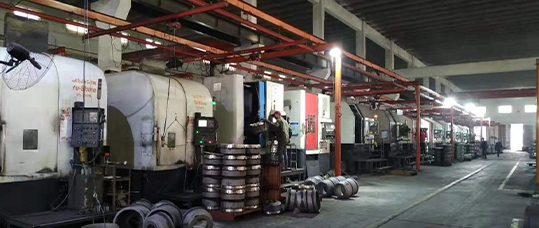
Drum brake cylinders are predominantly manufactured from cast iron or aluminum alloys. Cast iron (typically grey cast iron, ASTM A48 Class 30) offers excellent wear resistance and thermal conductivity, crucial for dissipating braking heat. Its composition includes iron, carbon (2.5-4.0%), silicon (1.5-3.0%), manganese (0.6-1.2%), and phosphorus (0.1-0.4%). Aluminum alloys (typically A356 or similar, complying with ASTM B85) provide a weight advantage, improving fuel efficiency, but necessitate corrosion protection. Manufacturing typically involves sand casting followed by machining to precise tolerances. The cylinder bore is honed to a specific surface finish (Ra 0.8-1.6 μm) to ensure proper piston seal. Pistons are commonly made from ductile iron or phenolic resin, chosen for their compressive strength and compatibility with brake fluid. Rubber seals (NBR or HNBR) are critical for maintaining hydraulic pressure; their formulation must resist swelling and degradation in the presence of glycol-ether based brake fluids (DOT 3, DOT 4). Key parameter control during manufacturing focuses on casting porosity, dimensional accuracy of the bore, surface finish, and seal integrity. Quality control utilizes non-destructive testing (NDT) methods like ultrasonic testing and dye penetrant inspection to identify defects.
Performance & Engineering
The performance of a drum brake cylinder hinges on its ability to generate sufficient hydraulic force to overcome the drum’s rotational inertia and friction. Force analysis involves calculating the required cylinder pressure based on drum diameter, shoe contact area, and friction coefficient (μ typically 0.25-0.4). Environmental resistance is paramount. Wheel cylinders are exposed to road salt, moisture, and temperature fluctuations. Aluminum cylinders require protective coatings (e.g., anodizing or electroplating) to prevent corrosion. Cast iron cylinders are often coated with a rust preventative. Compliance requirements include FMVSS 105 (Federal Motor Vehicle Safety Standard 105) in the US and ECE R13 (Economic Commission for Europe Regulation 13) in Europe, which specify braking performance and durability standards. Functional implementation relies on precise hydraulic circuit design. The cylinder must be able to withstand peak pressures (up to 20 MPa) during hard braking without deformation or leakage. Internal piston design, including seal placement and return spring force, influences responsiveness and braking feel. The brake line connection must be robust and leak-proof, adhering to SAE J1926 standards for tube fittings.
Technical Specifications
| Parameter | Cast Iron Cylinder | Aluminum Alloy Cylinder | Unit |
|---|---|---|---|
| Bore Diameter | 19.05 | 19.05 | mm |
| Piston Area | 283.5 | 283.5 | mm² |
| Maximum Pressure | 20 | 20 | MPa |
| Weight | 1.2 | 0.8 | kg |
| Corrosion Resistance (Salt Spray Test) | 72 | 48 (with coating) | Hours |
| Material Density | 7.2 | 2.7 | g/cm³ |
Failure Mode & Maintenance
Common failure modes in drum brake cylinders include internal leakage due to seal degradation, piston corrosion leading to seizure, and external leakage from the cylinder body or fittings. Fatigue cracking can occur in the cylinder body due to repeated stress cycles. Delamination of protective coatings on aluminum cylinders exposes the metal to corrosion. Oxidation of brake fluid can lead to internal corrosion and damage to piston seals. Failure analysis often reveals that seal failure is the primary cause, frequently exacerbated by contaminated brake fluid or improper installation. Maintenance procedures include regular brake fluid flushing (every 2-3 years) using DOT 3 or DOT 4 fluid, visual inspection for leaks, and ensuring proper brake shoe adjustment. When replacing a cylinder, it’s crucial to bleed the brake lines thoroughly to remove air bubbles. Using a torque wrench to tighten fittings to manufacturer specifications prevents over-tightening and potential damage. Periodic inspection of the brake shoes for wear and replacement as needed is also crucial for maintaining optimal braking performance. Ignoring early signs of failure, such as spongy brake pedal feel or pulling to one side during braking, can lead to catastrophic brake failure.
Industry FAQ
Q: What is the typical lifespan of a drum brake cylinder?
A: The typical lifespan varies depending on driving conditions and maintenance. Generally, a drum brake cylinder should last between 50,000 and 100,000 miles (80,000-160,000 km). Frequent exposure to harsh conditions, such as saltwater or excessive dust, can shorten its lifespan.
Q: Can a leaking drum brake cylinder be repaired, or does it require replacement?
A: While some minor leaks can be addressed with seal replacement kits, complete cylinder replacement is generally recommended. Internal corrosion and wear are often widespread, making a reliable repair difficult. The cost of a repair kit and labor often approaches the cost of a new cylinder.
Q: What are the signs that a drum brake cylinder is failing?
A: Common signs include a spongy or soft brake pedal, pulling to one side during braking, brake fluid leaks near the wheel, and a low brake fluid level. A clicking or grinding noise from the brakes can also indicate a cylinder issue.
Q: What type of brake fluid is compatible with drum brake cylinders?
A: DOT 3 and DOT 4 brake fluids are generally compatible with most drum brake cylinders. However, it is essential to check the vehicle manufacturer’s specifications. DOT 5 (silicone-based) fluid is not recommended, as it can damage seals not designed for it.
Q: Is it necessary to replace both drum brake cylinders at the same time?
A: While not always mandatory, replacing both cylinders simultaneously is highly recommended. If one cylinder has failed, the other is likely nearing the end of its lifespan. Replacing both ensures balanced braking performance and avoids the need for another repair shortly thereafter.
Conclusion
Drum brake cylinder replacement is a crucial maintenance procedure directly impacting vehicle safety and performance. Understanding the material science underlying cylinder construction, coupled with a thorough grasp of manufacturing processes and performance parameters, is essential for effective diagnosis and repair. Failure modes are often preventable through regular maintenance, including brake fluid flushes and visual inspections.
The industry’s evolution towards lighter materials and more durable coatings continues to drive innovation in drum brake cylinder design. Adherence to stringent international standards, like FMVSS and ECE regulations, ensures consistent braking performance and safety. Proper installation techniques and adherence to manufacturer specifications are critical for maximizing cylinder lifespan and maintaining optimal braking efficiency.