

Introduction
Brake drum rubbing against the backing plate is a critical concern in braking systems, impacting performance, safety, and longevity. This phenomenon, often a consequence of brake system imbalance, component wear, or improper installation, represents a deviation from the intended operational parameters. The brake drum, typically constructed from cast iron or composite materials, is designed to interface with the brake shoes (or pads in disc brake systems) to generate the necessary friction for deceleration. The backing plate, a structural component, provides support for the brake assembly. Rubbing between the drum and plate indicates a mechanical interference, leading to unwanted noise, heat generation, and accelerated wear. Understanding the underlying causes, material properties, and potential failure modes associated with this issue is paramount for engineers, maintenance personnel, and procurement specialists within the automotive, commercial vehicle, and railway industries. Addressing this issue requires a holistic approach encompassing meticulous inspection, precise adjustment, and the potential replacement of worn or damaged components. This guide provides an in-depth analysis of brake drum rubbing on backing plate, covering material science, manufacturing considerations, performance factors, failure analysis, and relevant industry standards.
Material Science & Manufacturing
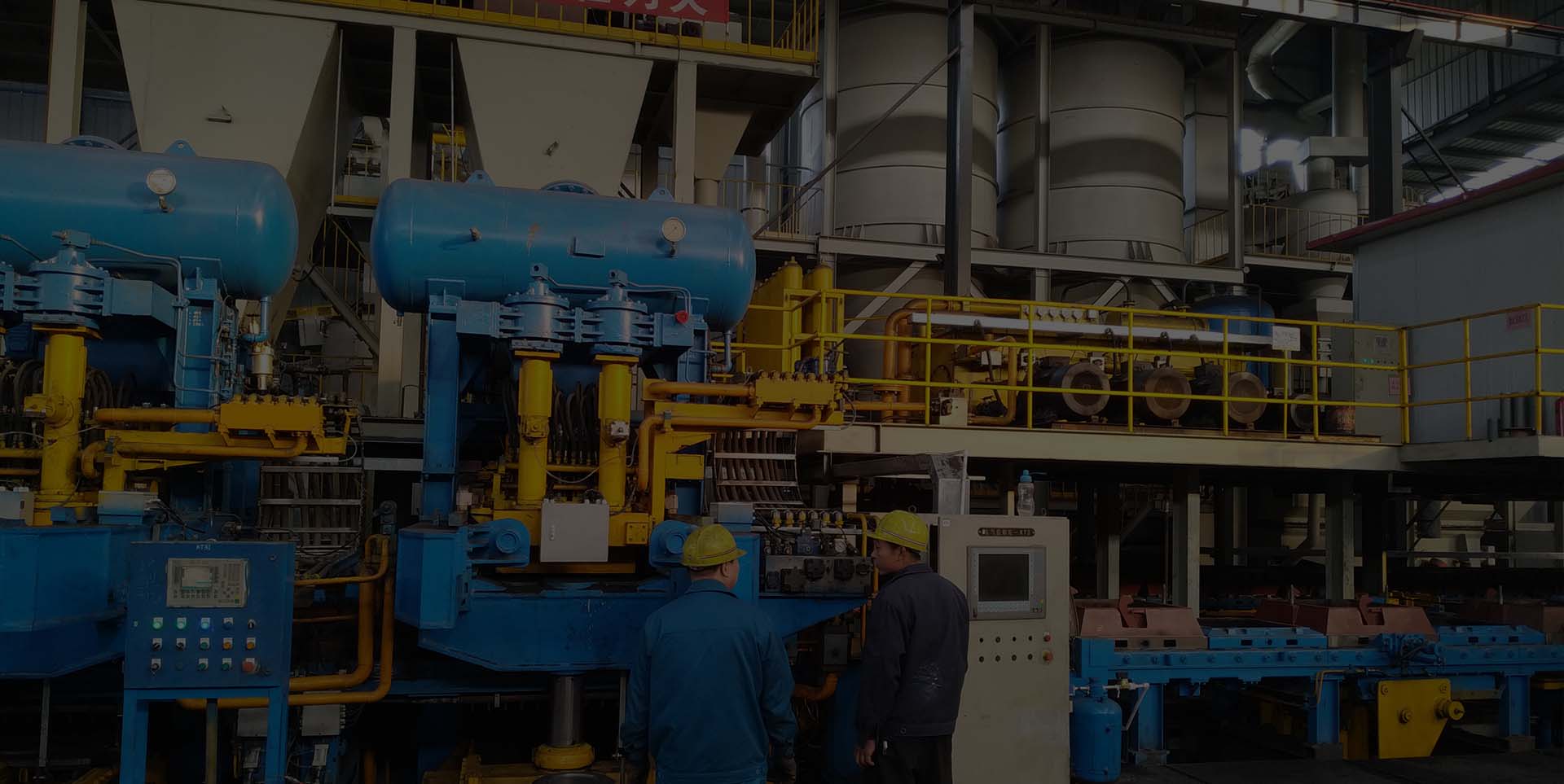
The materials comprising the brake drum and backing plate significantly influence their susceptibility to rubbing and subsequent wear. Brake drums are traditionally manufactured from gray cast iron (ASTM A48 Class 30), chosen for its excellent heat capacity, wear resistance, and cost-effectiveness. The metallurgical structure of gray cast iron incorporates graphite flakes within a ferrite matrix, contributing to its damping characteristics and ability to absorb thermal stresses. However, the graphite content and distribution affect the material’s hardness and tensile strength. Alternative materials include composite materials utilizing steel fibers embedded in a resin matrix, offering reduced weight and improved thermal conductivity but often at a higher cost. Backing plates are commonly made from stamped or press-formed carbon steel (SAE 1008/1010), providing structural rigidity and corrosion resistance. The manufacturing process for the drum typically involves sand casting, followed by machining to achieve precise dimensions and surface finish. Key parameters during casting include mold temperature, cooling rate, and melt composition to ensure uniform microstructure and minimize defects like porosity and shrinkage. Backing plate manufacturing involves forming, welding (if required for reinforcement), and surface treatment like electrocoating to prevent corrosion. Improper heat treatment of either component can introduce residual stresses, contributing to warping and potential rubbing. Surface roughness (Ra) is a critical parameter, with smoother surfaces reducing the likelihood of initial contact and minimizing wear rates. The chemical compatibility between the drum and plate materials, particularly concerning corrosion products, plays a role in the long-term development of rubbing issues.
Performance & Engineering
The interaction between the brake drum and backing plate is governed by fundamental engineering principles. A properly functioning brake system maintains a precise air gap between the drum and shoes/pads. Rubbing occurs when this air gap is compromised, leading to a continuous frictional force. Force analysis reveals that even a small degree of contact generates significant heat due to the high relative velocity. This heat can induce thermal expansion, exacerbating the rubbing and potentially leading to brake fade. Environmental factors, such as exposure to moisture, salt, and extreme temperatures, contribute to corrosion and degradation of both components, altering their dimensions and increasing the probability of rubbing. Compliance requirements, dictated by regulations like FMVSS 133 (Federal Motor Vehicle Safety Standard 133) in the United States and ECE R90 in Europe, specify minimum braking performance criteria, including brake drag and temperature limits. Exceeding these limits due to rubbing constitutes a safety hazard. The functional implementation of the brake system necessitates precise alignment and adjustment. Eccentricity in the drum, warping of the backing plate, or improper shoe/pad adjustment can all cause contact. Finite element analysis (FEA) is often employed during the design phase to predict stress distributions and identify potential areas of vulnerability. The coefficient of friction between the drum and plate, although ideally minimal, is a critical parameter influencing the severity of the rubbing and the rate of wear. Maintaining proper lubrication of related components (wheel bearings, brake shoe pivot points) indirectly impacts drum-to-plate clearance.
Technical Specifications
| Parameter | Brake Drum (Typical Gray Cast Iron) | Backing Plate (Typical Carbon Steel) | Units |
|---|---|---|---|
| Tensile Strength | 200-300 | 400-550 | MPa |
| Hardness (Brinell) | 180-240 | 150-200 | HB |
| Thermal Conductivity | 45-55 | 40-50 | W/m·K |
| Coefficient of Thermal Expansion | 12 x 10-6 | 11 x 10-6 | /°C |
| Surface Roughness (Ra) | ≤ 1.6 | ≤ 2.5 | µm |
| Corrosion Resistance (Salt Spray Test) | 72-120 | 240-480 | Hours (to 5% red rust) |
Failure Mode & Maintenance
Several failure modes can lead to or exacerbate brake drum rubbing. Fatigue cracking in the backing plate, often initiated at weld points or stamping seams, can cause warping and alter its geometry, inducing contact with the drum. Delamination of the drum’s surface layer, resulting from thermal cycling and material defects, can increase its outer diameter and create interference. Degradation of the brake shoe friction material can also lead to uneven wear, shifting the contact point and causing rubbing. Oxidation, particularly in humid or salty environments, promotes corrosion on both components, altering their dimensions and reducing clearance. A common failure mode is the development of a localized high spot on the drum’s inner surface due to uneven wear or manufacturing imperfections. This localized bulge will invariably contact the backing plate during rotation. Maintenance solutions include regular inspection of the drum for eccentricity and surface defects, checking the backing plate for warping and cracking, and ensuring proper adjustment of the brake shoes/pads. Resurfacing the drum (if within material thickness limits) can remove minor imperfections. Backing plate replacement is often necessary in cases of severe corrosion or cracking. Lubricating the brake shoe pivot points and ensuring proper wheel bearing maintenance are preventative measures that reduce stress on the entire system. Periodic cleaning to remove accumulated brake dust and debris is also crucial, as these materials can contribute to corrosion and exacerbate rubbing.
Industry FAQ
Q: What is the primary cause of brake drum rubbing on the backing plate in heavy-duty trucks?
A: In heavy-duty trucks, the primary cause is often a combination of prolonged use, heavy loads, and aggressive braking. This leads to uneven wear of the brake shoes and drum, ultimately causing the drum to make contact with the backing plate. Also, improper brake adjustments, neglected wheel bearing maintenance, and corrosion due to road salt exposure contribute significantly to the issue. The higher thermal stresses involved in heavy-duty braking accelerate wear and increase the likelihood of warping.
Q: How does the material composition of the brake drum affect its susceptibility to rubbing?
A: The composition of the brake drum directly impacts its thermal properties and wear resistance. Gray cast iron, while cost-effective, is susceptible to thermal expansion and can develop localized high spots with uneven wear. Composite materials offer improved thermal conductivity and reduced weight, mitigating thermal expansion, but are more expensive and may have different wear characteristics. The graphite flake size and distribution in gray cast iron also influence its resistance to cracking and spalling.
Q: What diagnostic steps should be taken when a driver reports a scraping sound during braking?
A: The initial step is a visual inspection of the brake drums and backing plates for signs of wear, corrosion, or damage. Then, a thorough inspection of brake shoe/pad thickness and condition is vital. A dial indicator can be used to measure drum runout and check for warping. The brake adjustment mechanism should be inspected to ensure proper functionality. Finally, wheel bearing play should be checked as excessive play can contribute to drum movement and rubbing.
Q: Can brake drum rubbing lead to more significant brake system failures?
A: Yes, prolonged rubbing can lead to several more serious failures. It generates excessive heat, potentially causing brake fade and reducing braking effectiveness. It accelerates wear of the drum and shoes/pads, requiring premature replacement. It can also induce warping of the drum or backing plate, making the system unsafe. In severe cases, the rubbing can damage the wheel seals, leading to grease leakage and wheel bearing failure.
Q: What preventative maintenance measures can minimize the risk of brake drum rubbing?
A: Regular brake inspections and adjustments are paramount. Lubricating brake shoe pivot points, maintaining proper wheel bearing preload, and promptly addressing any signs of corrosion are crucial. Using high-quality brake components and ensuring proper installation are also essential. Periodic brake cleaning to remove accumulated dust and debris can help prevent corrosion and reduce wear. Monitoring brake temperatures during operation can help identify potential issues early on.
Conclusion
Brake drum rubbing on the backing plate is a multifaceted issue stemming from material properties, manufacturing tolerances, operational stresses, and maintenance practices. The root cause analysis requires a comprehensive understanding of these factors, coupled with meticulous inspection and precise diagnostic procedures. Addressing this concern proactively not only ensures optimal braking performance and safety but also minimizes costly repairs and downtime. Ignoring the issue can lead to a cascade of failures, compromising the integrity of the entire braking system.
Future advancements in brake system technology, such as the increased adoption of disc brakes and the development of more durable and corrosion-resistant materials, are expected to reduce the incidence of this issue. However, even with these improvements, regular maintenance and vigilant monitoring will remain critical for ensuring the long-term reliability and safety of braking systems across all industries. Proper training for maintenance personnel and the implementation of standardized inspection protocols are vital for mitigating the risks associated with brake drum rubbing.