
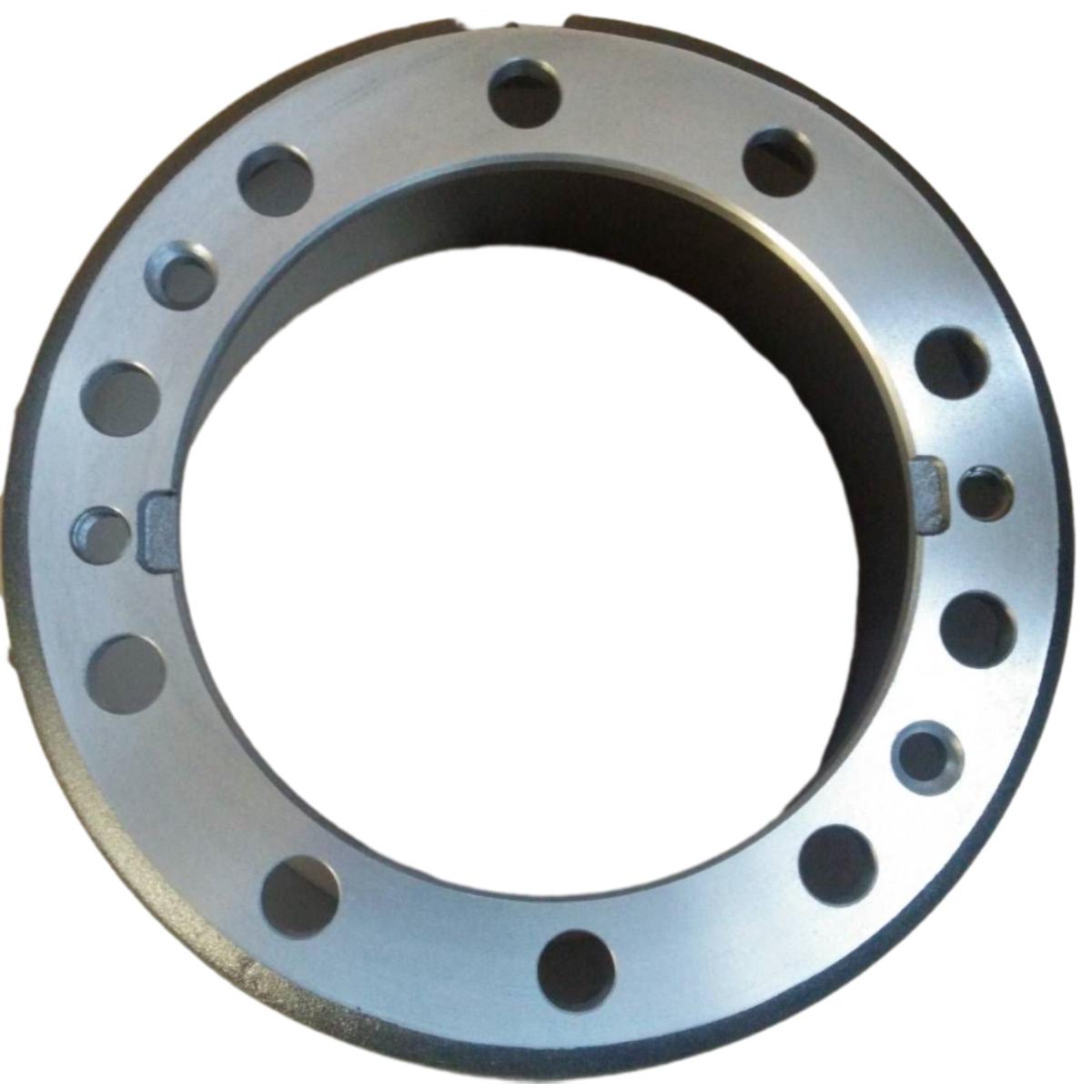
Introduction
Brake drum removal is a fundamental procedure in automotive and heavy machinery maintenance, integral to brake system overhaul, inspection, and repair. This guide details the process, focusing on the technical considerations crucial for safe and efficient execution. The brake drum, a cast iron or composite component, forms the housing for brake shoes or pads and provides the frictional surface against which braking force is applied. Correct removal is essential not only for servicing the braking components but also for diagnosing underlying system issues like wheel bearing wear or axle damage. Improper removal techniques can lead to damage to the drum itself, surrounding components (wheel studs, parking brake cables), and potential injury to personnel. This document will outline material properties influencing removal, procedural engineering, common failure modes during removal, and applicable industry standards.
Material Science & Manufacturing
Brake drums are predominantly manufactured from gray cast iron (ASTM A48 Class 30) due to its excellent heat dissipation capabilities, wear resistance, and cost-effectiveness. Composition typically includes iron (90-94%), carbon (2.5-4.0%), silicon (1.8-3.2%), manganese (0.6-1.2%), sulfur (less than 0.08%), and phosphorus (less than 0.08%). Alloyed cast irons, incorporating nickel, chromium, or molybdenum, offer improved strength and ductility, particularly in high-performance applications. Alternative materials, such as composite materials (carbon fiber reinforced polymers) are utilized in racing applications to reduce weight, but present unique removal challenges due to bonding agents and material brittleness. Manufacturing processes commonly include sand casting, centrifugal casting, and increasingly, near-net-shape casting followed by machining. Critical parameters during manufacturing include cooling rate (influencing graphite flake size and hardness), mold material (affecting surface finish), and machining tolerances (ensuring proper fitment). Heat treatment processes, such as annealing, are employed to relieve residual stresses and improve machinability. Corrosion prevention often involves applying a phosphate coating prior to painting or coating, impacting removal if corrosion develops. Drum hub connection methods include studs, bolts, or splined interfaces, all requiring specific torque specifications and removal procedures. Rust, a primary concern, is formed via the electrochemical reaction of iron with oxygen and water; the presence of chlorides accelerates this process, creating iron oxides and hydroxides that create binding forces, making removal more difficult.

Performance & Engineering
The force required to remove a brake drum is a complex interplay of factors. Static friction between the drum and the hub, often amplified by corrosion, constitutes the primary resistance. The radial contraction of the drum due to rust formation significantly increases this force. Additionally, the parking brake mechanism, if engaged, exerts a considerable opposing force via the internal shoes. Engineering considerations center on minimizing the applied force while preventing damage. Common removal methods include utilizing a brake drum puller (employing leverage and mechanical advantage), applying penetrating oil to corroded surfaces, and, in some cases, carefully applying localized heat (avoiding excessive temperatures that can temper the metal or damage seals). Impact loading should be avoided as it can distort the drum or damage wheel studs. The engineering design of the brake drum considers thermal stresses induced during braking. Repeated heating and cooling cycles can lead to fatigue cracking, particularly around stress concentration points like bolt holes and the central bore. Compliance requirements, such as DOT regulations in the US and ECE regulations in Europe, dictate minimum material specifications, dimensional tolerances, and performance characteristics. Understanding the drum’s structural integrity is paramount during removal to avoid catastrophic failure. Consideration of tensile strength (ASTM E8), yield strength (ASTM E8), and hardness (Rockwell C scale – ASTM E18) of the cast iron is essential for assessing the risks associated with forceful removal techniques.
Technical Specifications
| Drum Diameter (in) | Drum Width (in) | Material Composition | Minimum Brinell Hardness Number (BHN) |
|---|---|---|---|
| 11.02 | 2.00 | Gray Cast Iron (ASTM A48 Class 30) | 180 |
| 12.00 | 2.25 | Gray Cast Iron (ASTM A48 Class 30) | 200 |
| 13.00 | 2.50 | Alloyed Cast Iron (Nickel-Chromium) | 240 |
| 14.00 | 2.75 | Gray Cast Iron (ASTM A48 Class 30) | 190 |
| 15.00 | 3.00 | Alloyed Cast Iron (Molybdenum) | 260 |
| 16.00 | 3.25 | Gray Cast Iron (ASTM A48 Class 30) | 210 |
Failure Mode & Maintenance
Common failure modes during brake drum removal include stripping wheel studs due to excessive force, damaging the parking brake mechanism (cables, shoes, springs), and fracturing the drum itself, especially if it is already weakened by corrosion or fatigue cracks. Shearing of wheel studs often occurs when an improperly aligned puller is used or when excessive force is applied. Parking brake cable damage manifests as broken strands or stretched cables, leading to reduced braking effectiveness. Drum fracturing is typically initiated at pre-existing flaws or stress concentration points. Preventative maintenance involves regular inspection for corrosion, applying anti-seize lubricant to the hub mating surface during reinstallation, and ensuring the parking brake is fully disengaged before attempting removal. If a drum is severely corroded, careful assessment is required to determine if removal is even feasible without causing further damage. Penetrating oil application, repeated over several hours or days, can significantly reduce the force required for removal. For seized drums, a specialized hydraulic puller is recommended, distributing the force evenly and minimizing the risk of localized stress. Post-removal inspection should include checking the wheel studs for damage, verifying the integrity of the parking brake mechanism, and examining the drum surface for cracks or excessive wear.
Industry FAQ
Q: What is the primary reason for difficulty removing a brake drum?
A: The primary reason is typically corrosion buildup between the drum and the hub, creating significant static friction. This is exacerbated by the radial contraction of the drum due to rust formation and the potential engagement of the parking brake.
Q: Can heat be applied to a brake drum to facilitate removal?
A: Yes, but with extreme caution. Localized heat application can help break down corrosion, but excessive heat can temper the cast iron, reducing its hardness and potentially damaging seals or other nearby components. Use a propane torch with minimal heat setting and avoid prolonged exposure.
Q: What precautions should be taken to avoid damaging wheel studs during removal?
A: Ensure the puller is properly aligned and centered on the drum. Apply force evenly and gradually. Avoid impact loading. If the drum is extremely seized, consider using a hydraulic puller to distribute the force more effectively.
Q: What are the potential consequences of ignoring a corroded brake drum?
A: Ignoring a corroded brake drum can lead to complete brake failure, increased stopping distances, and potential safety hazards. Furthermore, attempting forceful removal of a severely corroded drum can result in damage to the hub, wheel studs, and parking brake mechanism, leading to costly repairs.
Q: What is the role of penetrating oil in the removal process?
A: Penetrating oil reduces the friction between the drum and hub by lubricating corroded surfaces and dissolving rust. It’s crucial to allow sufficient soaking time (several hours or overnight) for the oil to penetrate effectively before attempting removal.
Conclusion
Effective brake drum removal requires a thorough understanding of the materials involved, the manufacturing processes, and the potential failure modes. Minimizing force application and preventing damage to surrounding components are paramount. The use of appropriate tools, such as brake drum pullers and penetrating oils, is essential. Regular inspection and preventative maintenance, including corrosion protection, can significantly reduce the difficulty of removal and extend the lifespan of the brake drum and associated components.
Adhering to established industry standards and employing best practices in removal techniques ensures both safety and cost-effectiveness. The increasing adoption of alloyed cast irons and composite materials demands specialized knowledge and handling procedures. Continual monitoring of drum condition and proactive maintenance are vital for maintaining optimal brake system performance and preventing catastrophic failures.