
Introduction
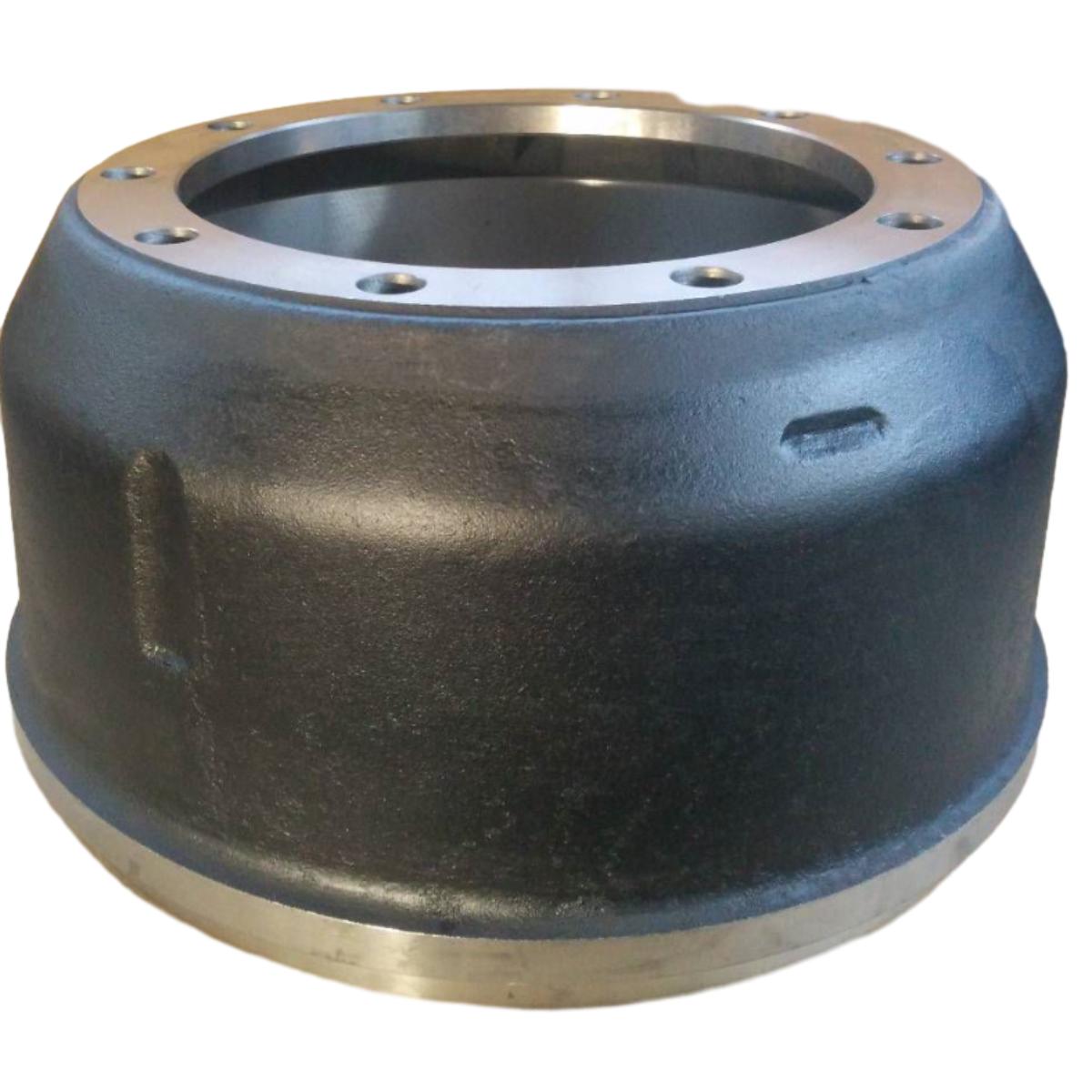
Brake drum grinders are specialized machine tools used for the precision reconditioning of brake drums found primarily in heavy-duty vehicle applications, including trucks, buses, and certain railway systems. Positioned within the automotive and rail maintenance sectors, these grinders address the critical need to restore braking surfaces to specified tolerances, ensuring optimal braking performance and safety. Unlike complete brake drum replacement, grinding extends the service life of existing drums, offering a cost-effective and environmentally responsible alternative. Core performance characteristics center around material removal rate, surface finish quality (Ra value), roundness accuracy, and the ability to maintain consistent dimensional control throughout the grinding process. The growing demand for preventative maintenance and extended component lifecycles drives the continued relevance of brake drum grinding technology.
Material Science & Manufacturing
The core of a brake drum grinder involves several key material science and manufacturing considerations. The grinding wheel itself is typically composed of abrasive grains – often aluminum oxide (Al2O3), silicon carbide (SiC), or cubic boron nitride (cBN) – bonded together with a matrix material, commonly resinoid, vitrified, or metallic bonds. Aluminum oxide is favored for its cost-effectiveness and general-purpose grinding, while silicon carbide offers higher material removal rates and is suitable for harder cast irons. cBN excels in grinding hardened materials but is significantly more expensive. The drum material, typically grey cast iron (ASTM A48 Class 30) or ductile iron (ASTM A536 Type 65-35), dictates wheel selection. The grinder’s structural components – the frame, spindle housing, and table – are usually manufactured from high-strength cast iron (GGG40/QT450) or structural steel (SAE 1045) to provide rigidity and dampen vibrations. Manufacturing processes include precision casting for structural elements, CNC machining for critical components like the spindle and table, and meticulous balancing of the grinding wheel to minimize vibration at high rotational speeds. Parameter control during wheel bonding is critical; precise temperature and pressure control are required to achieve the desired abrasive grain distribution and bond strength. Surface treatments like powder coating or epoxy painting protect against corrosion.

Performance & Engineering
Brake drum grinding performance hinges on a complex interplay of force analysis, thermal management, and adherence to stringent engineering tolerances. The primary force is the radial force exerted by the grinding wheel onto the brake drum surface. Maintaining a consistent radial force is paramount for achieving uniform material removal and preventing localized heating. The tangential force, resulting from the wheel's rotation, contributes to vibration if not properly countered by the grinder’s dynamic balancing and spindle rigidity. Thermal management is critical; excessive heat generation during grinding can lead to thermal distortion of the drum, altering its geometry and potentially inducing residual stresses. Coolant application – typically a water-miscible cutting fluid – is essential for dissipating heat and flushing away swarf. Engineering tolerances are dictated by brake system specifications, typically requiring roundness within 0.025mm, surface roughness (Ra) below 0.8 μm, and dimensional accuracy within 0.05mm. Compliance requirements include adherence to ISO 9001 quality management standards and safety regulations like ANSI B11.19 for machine tool safety. Finite Element Analysis (FEA) is frequently employed to optimize grinder structural design and predict thermal behavior under various operating conditions. Wear rates of the grinding wheel must also be calculated to ensure economic viability and optimal process performance.
Technical Specifications
| Grinding Wheel Diameter (mm) | Grinding Wheel Speed (RPM) | Table Travel (mm) | Maximum Drum Diameter (mm) |
|---|---|---|---|
| 350 | 2000 - 3500 | 500 | 450 |
| 400 | 1500 - 2500 | 600 | 500 |
| 450 | 1200 - 2000 | 700 | 550 |
| 500 | 1000 - 1800 | 800 | 600 |
| 600 | 800 - 1500 | 1000 | 700 |
| 750 | 600 - 1200 | 1200 | 850 |
Failure Mode & Maintenance
Brake drum grinder failures typically manifest in several modes. Spindle bearing failure is common, resulting from high loads and vibration; this is often preceded by increased noise and heat. Grinding wheel degradation, characterized by chipping, cracking, or uneven wear, reduces grinding efficiency and surface finish quality. Drive system failures – encompassing motors, gearboxes, and belts – can occur due to overload or inadequate lubrication. Coolant system malfunctions, such as pump failure or filter clogging, lead to overheating and potential thermal distortion. Control system errors, including sensor failures or software glitches, can result in inaccurate grinding parameters. Preventative maintenance is critical. Regular lubrication of bearings and gears (using ISO VG 320 or equivalent synthetic oils), coolant filter replacement (monthly), spindle runout checks (weekly), and grinding wheel balancing (every 50 hours of operation) are essential. Visual inspection for wheel damage should be performed before each use. Periodic vibration analysis of the spindle and drive system can detect early signs of bearing wear or misalignment. Proper grounding and electrical safety checks are vital to prevent electrical hazards. Scheduled component replacement (e.g., belts, filters) based on manufacturer recommendations extends the grinder’s lifespan and minimizes downtime.
Industry FAQ
Q: What is the impact of different abrasive grain sizes on the surface finish of the brake drum?
A: Smaller abrasive grain sizes generally produce a finer surface finish (lower Ra value) but at a slower material removal rate. Larger grain sizes remove material more quickly but can leave a coarser surface finish. The optimal grain size depends on the initial surface condition of the brake drum and the required surface finish specification. Typically, a progression of grain sizes – starting with coarser grains for rapid stock removal and finishing with finer grains for polishing – is employed.
Q: How does the type of coolant affect the grinding process?
A: Coolant serves several critical functions: heat dissipation, swarf removal, and lubrication. Water-miscible coolants are most common, offering good cooling and swarf flushing properties. Synthetic coolants provide superior corrosion protection, while semi-synthetic coolants offer a balance of performance and cost. Incorrect coolant concentration or contamination can reduce cooling efficiency and promote rust formation.
Q: What are the key indicators that a grinding wheel needs replacement?
A: Key indicators include noticeable chipping or cracking of the wheel, excessive vibration during operation, a significant decrease in material removal rate, and an inability to maintain the required surface finish. Visual inspection is crucial, and regular wheel balancing can help detect early signs of wear.
Q: How important is spindle runout, and what are acceptable tolerances?
A: Spindle runout – the deviation of the spindle’s axis of rotation from its true center – is critically important. High runout leads to uneven material removal, poor surface finish, and potential chatter. Acceptable tolerances are typically within 0.005mm (0.0002 inches) for precision grinding applications. Regular monitoring and correction of spindle runout are essential.
Q: What safety precautions should be taken when operating a brake drum grinder?
A: Essential safety precautions include wearing appropriate personal protective equipment (PPE) – safety glasses, gloves, and a dust mask – securing the brake drum properly, ensuring the grinder is adequately grounded, and adhering to lockout/tagout procedures during maintenance. Never operate the grinder with damaged guards or safety devices. Regular safety training is crucial for all operators.
Conclusion
Brake drum grinding represents a vital process in maintaining the safety and efficiency of heavy-duty braking systems. The technology’s effectiveness hinges on a comprehensive understanding of material science, precision manufacturing, and meticulous process control. From abrasive wheel selection to thermal management and adherence to stringent tolerances, each element contributes to achieving optimal performance and extending the lifespan of critical brake components.
Looking ahead, advancements in CNC technology, sensor integration, and automated process monitoring will likely enhance the precision, efficiency, and reliability of brake drum grinding. The increasing emphasis on preventative maintenance and sustainable manufacturing practices will further solidify the role of this technology in the automotive and rail industries. Continued refinement of grinding wheel materials and coolant technologies will also contribute to improved surface finish quality and reduced environmental impact.