
Introduction
The rear drum brake assembly is a critical component of vehicle braking systems, particularly prevalent in older designs and certain current applications where cost-effectiveness and simplicity are prioritized. Positioned within the vehicle’s drivetrain, specifically at the rear axles, its function is to convert the kinetic energy of the vehicle into thermal energy through friction, ultimately decelerating or stopping the vehicle. Unlike disc brake systems which utilize calipers to squeeze pads against a rotor, drum brakes employ brake shoes pressing outwards against the inner surface of a rotating drum. Core performance characteristics include stopping distance, fade resistance (maintenance of braking power under sustained use), and parking brake functionality, often integrated into the drum brake mechanism. The enduring presence of drum brakes in automotive engineering stems from their relatively low manufacturing cost, self-energizing action increasing braking force, and inherent protection of braking surfaces from road debris. However, they are susceptible to issues related to heat dissipation and moisture ingress, impacting performance and longevity.
Material Science & Manufacturing
The composition of rear drum brake assemblies involves several key materials. Cast iron, specifically gray cast iron (ASTM A48 Class 30), dominates the drum construction due to its high thermal capacity, wear resistance, and machinability. The cast iron’s microstructure consists of graphite flakes within a ferrite matrix, providing lubrication during friction. Brake shoes are commonly constructed from woven organic materials, metallic composites, or combinations thereof. Organic materials utilize phenolic resins and aramid fibers, offering quiet operation and compatibility with drum materials. Metallic composites contain iron, copper, and steel fibers for increased friction and heat dissipation, but may exhibit higher noise levels. Springs, essential for retraction and force application, are typically made from high-carbon spring steel (SAE 675 or equivalent), ensuring elasticity and fatigue resistance. The wheel cylinders, responsible for hydraulic actuation, utilize ductile iron or aluminum alloys for strength and corrosion resistance.
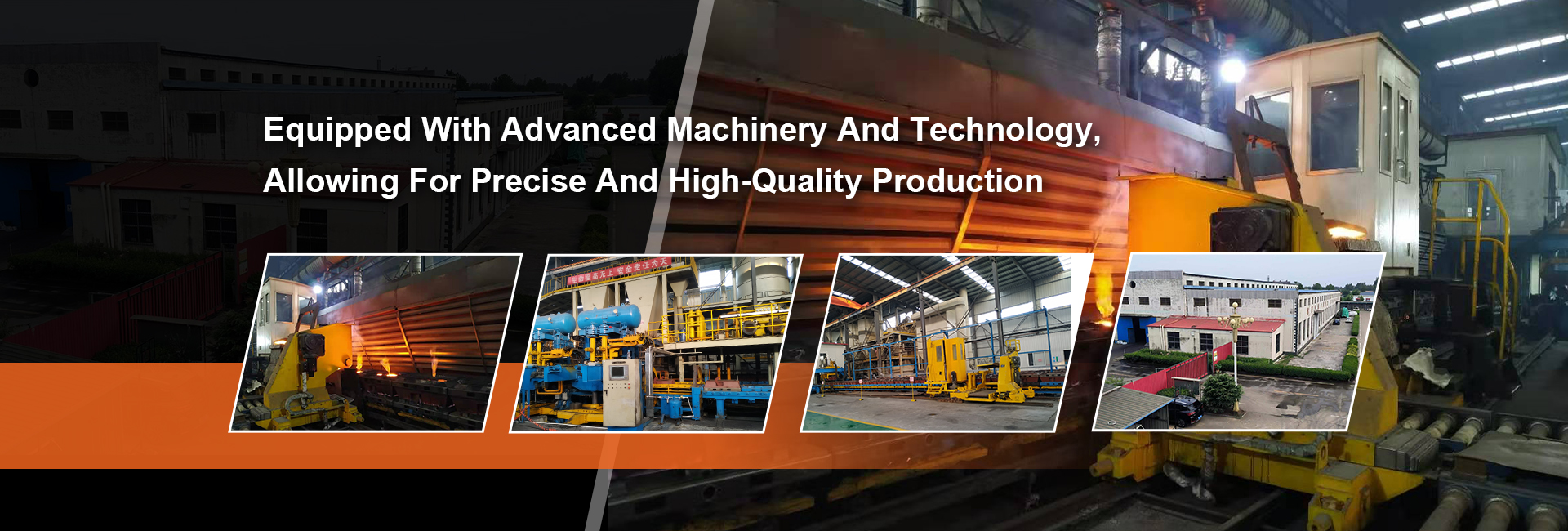
Manufacturing processes vary by component. Cast iron drums are produced via sand casting, involving creating a mold, pouring molten iron, and allowing it to solidify. Subsequent machining operations ensure precise dimensions and surface finish. Brake shoes are formed through a compression molding process, layering the friction material onto a steel backing plate under high pressure and temperature. Springs are produced by cold coiling and heat treatment to achieve desired mechanical properties. Wheel cylinders are manufactured through casting, followed by precision boring and honing of the cylinder bores. Key parameter control includes maintaining precise chemical composition of cast iron for consistent mechanical properties, controlling friction material density for predictable performance, and ensuring accurate dimensional tolerances for proper fit and function. Surface treatments, such as phosphate coating, are applied to drums and other metal parts to enhance corrosion resistance.

Performance & Engineering
Performance of a rear drum brake assembly is deeply rooted in principles of friction and thermal dynamics. The braking force (Fb) is directly proportional to the normal force (Fn) applied by the brake shoes against the drum and the coefficient of friction (μ) between the surfaces: Fb = μFn. Force analysis considers the self-energizing effect, where the drum’s rotation assists in pressing the shoes harder against the drum, amplifying braking force. However, this effect is also a source of instability. Environmental resistance is crucial; prolonged exposure to moisture causes corrosion of metal components and reduces the friction coefficient of the shoes. Temperature fluctuations induce thermal expansion and contraction, potentially leading to reduced braking efficiency or even seizure.
Compliance requirements, dictated by FMVSS 130 (Federal Motor Vehicle Safety Standards) in the US and ECE R13 (Economic Commission for Europe Regulation 13) in Europe, mandate minimum stopping distances and brake fade resistance. These standards necessitate precise engineering calculations and rigorous testing. Functional implementation relies on hydraulic pressure generated by the master cylinder, transmitted through brake lines to the wheel cylinders, which in turn force the brake shoes outwards. The parking brake mechanism, often integrated within the drum brake, utilizes a cable-operated lever to mechanically apply the shoes, securing the vehicle against movement. Proper adjustment of shoe-to-drum clearance is critical for optimal performance and preventing dragging, which leads to heat buildup and premature wear.
Technical Specifications
| Drum Diameter (in) | Drum Width (in) | Friction Material Type | Coefficient of Friction (μ) | Maximum Operating Temperature (°C) | Weight (lbs) |
|---|---|---|---|---|---|
| 10.0 | 2.0 | Organic | 0.35 | 300 | 15 |
| 11.0 | 2.5 | Semi-Metallic | 0.45 | 400 | 20 |
| 12.0 | 3.0 | Metallic | 0.50 | 450 | 25 |
| 8.0 | 1.5 | Organic | 0.30 | 280 | 10 |
| 9.0 | 2.0 | Semi-Metallic | 0.40 | 350 | 16 |
| 10.5 | 2.75 | Metallic | 0.48 | 420 | 22 |
Failure Mode & Maintenance
Common failure modes in rear drum brake assemblies stem from wear, corrosion, and thermal stress. Fatigue cracking can occur in the brake shoes due to repeated stress cycles. Delamination of the friction material from the shoe backing plate is a frequent issue, caused by bond failure due to excessive heat or moisture. Degradation of the friction material over time leads to reduced stopping power and increased noise. Oxidation and corrosion of metal components, particularly the drum and wheel cylinder, reduce efficiency and can lead to seizure.
Maintenance solutions prioritize regular inspection and preventative measures. Periodic inspection of brake shoe thickness is vital; replacement is necessary when the friction material reaches the minimum specified thickness. Checking for leaks in the brake lines and wheel cylinders is crucial to maintain hydraulic pressure. Lubricating the contact points between the brake shoes and the backing plate prevents sticking and ensures smooth operation. Cleaning the drum surface to remove rust and debris improves friction. Resurfacing or replacing the drum is necessary if it becomes excessively worn or scored. Adjusting the brake shoe clearance ensures proper engagement and prevents dragging. Complete brake fluid flushes are recommended to remove moisture and contaminants, maintaining optimal hydraulic performance.
Industry FAQ
Q: What are the primary advantages of drum brakes over disc brakes in specific applications?
A: Drum brakes offer advantages in cost-effectiveness, particularly for vehicles with lower performance demands. Their enclosed design provides better protection from road debris and moisture, extending component life in harsh environments. Furthermore, the self-energizing action of drum brakes can provide higher braking force with less pedal effort, although this comes with potential stability considerations.
Q: How does the choice of friction material impact brake performance and noise levels?
A: Organic friction materials generally provide quieter operation and are compatible with softer drum materials, but have lower heat resistance and a shorter lifespan. Semi-metallic materials offer improved heat dissipation and durability, but may produce more noise. Metallic materials provide the highest friction coefficient and longest life, but can be very noisy and abrasive to the drum.
Q: What are the key indicators of a failing wheel cylinder?
A: Leaks around the wheel cylinder are the most obvious sign of failure. Other indicators include a spongy brake pedal, uneven brake application, or a vehicle pulling to one side during braking. Internal corrosion or damage to the piston seals can also lead to reduced braking force.
Q: How often should drum brake assemblies be inspected and serviced?
A: Inspections should be conducted at least twice a year, or every 12,000 miles. Servicing intervals depend on driving conditions and usage. Brake shoe replacement is typically required every 25,000-50,000 miles. Regular brake fluid flushes are recommended every 2-3 years.
Q: What are the challenges associated with drum brake heat dissipation, and how are they mitigated?
A: The enclosed design of drum brakes limits airflow, leading to heat buildup during prolonged braking. This can cause brake fade and reduced stopping power. Mitigation strategies include utilizing drums with optimized fin designs to increase surface area for heat transfer, employing high-efficiency friction materials with good thermal conductivity, and ensuring proper brake adjustment to prevent dragging.
Conclusion
The rear drum brake assembly, while often overshadowed by disc brake technology, remains a viable and cost-effective braking solution for numerous applications. Its performance is fundamentally governed by material properties, manufacturing precision, and the intricate interplay of friction and thermal dynamics. Understanding the potential failure modes – from material degradation and corrosion to hydraulic system failures – is crucial for implementing effective preventative maintenance strategies.
Moving forward, advancements in material science, such as the development of improved friction materials with enhanced thermal stability and wear resistance, may prolong the relevance of drum brake technology. Furthermore, optimized drum designs and improved manufacturing processes can contribute to increased performance and reliability. Ultimately, careful consideration of application-specific requirements and diligent maintenance practices will ensure the safe and efficient operation of rear drum brake assemblies.