
Introduction
Hot rod drum brakes represent a critical component in the performance and safety of classic and customized vehicles. Unlike modern disc brake systems, drum brakes utilize friction generated within an enclosed drum to decelerate the vehicle. Their continued prevalence in the hot rod community stems from aesthetic preferences aligned with vintage vehicle authenticity, cost-effectiveness for certain builds, and, in some cases, simpler mechanical integration into older chassis. However, drum brake systems present unique engineering challenges regarding heat dissipation, stopping power consistency, and maintenance requirements compared to disc brakes. This guide will provide a comprehensive technical overview of hot rod drum brakes, covering material science, manufacturing processes, performance characteristics, failure modes, and relevant industry standards. The primary pain points within the hot rod sector are achieving reliable stopping power commensurate with increased engine performance, mitigating brake fade during sustained use, and ensuring compatibility with modified chassis and wheel configurations. Understanding these issues is vital for builders and owners aiming to maximize the safety and enjoyment of their vehicles.
Material Science & Manufacturing
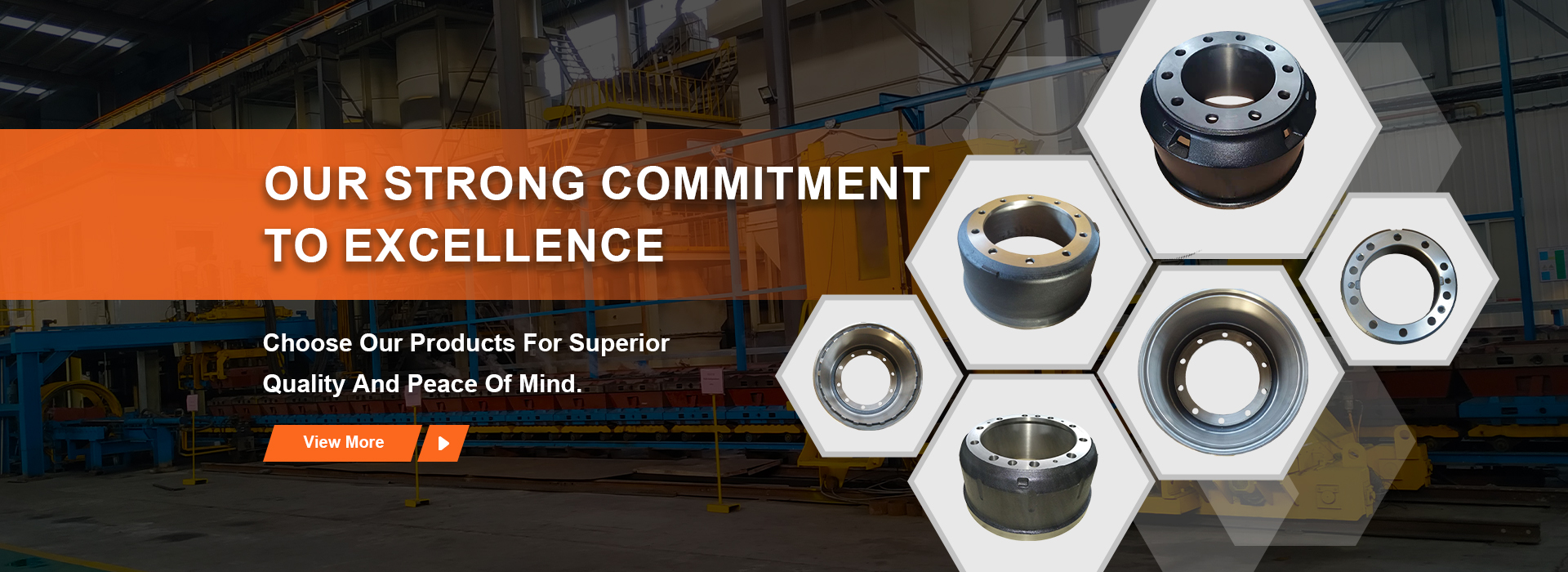
The fundamental materials in hot rod drum brake systems are cast iron for the drum itself, steel alloys for the brake shoes, and friction materials composed of organic compounds, semi-metallic materials, or ceramic blends for the brake linings. Cast iron, typically gray cast iron (ASTM A48 Class 30), is favored for its thermal mass and frictional properties. The manufacturing process involves sand casting, where molten iron is poured into a mold. Critical parameters include cooling rates to control the graphite flake size and distribution, directly impacting the drum’s wear resistance and thermal shock resistance. Brake shoes are stamped from high-carbon steel alloys, often AISI 1070 or similar, ensuring sufficient strength and ductility. Heat treatment, including hardening and tempering, is crucial to achieving optimal mechanical properties. Brake lining composition varies widely, influencing friction coefficient, fade resistance, and noise characteristics. Organic linings, historically common, offer quiet operation but lower fade resistance. Semi-metallic linings provide improved stopping power and heat dissipation but can generate more noise and wear. Ceramic linings offer the highest fade resistance but often at a higher cost. The manufacturing of brake linings involves blending the constituent materials, compressing them onto a steel backing plate, and curing under controlled temperature and pressure. Wheel cylinder manufacturing utilizes ductile iron castings and precision machining of internal bores to maintain fluid sealing. Proper surface finish on the cylinder bores is essential to prevent leakage and ensure smooth piston travel. Furthermore, the quality of the hydraulic fluid – DOT 3, DOT 4, or DOT 5 – significantly affects braking performance and component longevity. Moisture ingress into the brake fluid reduces its boiling point, leading to vapor lock and brake failure.

Performance & Engineering
The performance of hot rod drum brakes is intrinsically linked to their ability to dissipate heat generated during braking events. Heat buildup leads to brake fade – a reduction in braking effectiveness due to the weakening of frictional forces at elevated temperatures. Engineering considerations focus on maximizing heat transfer away from the braking surfaces. Drum design features, such as finning and ribbed structures, enhance convective heat transfer to the surrounding air. Brake shoe geometry and material selection influence the contact area and friction coefficient. Force analysis reveals that the braking torque is proportional to the friction coefficient, the normal force applied by the brake shoes against the drum, and the effective radius of the drum. Larger drum diameters provide increased leverage, resulting in higher braking torque. However, larger drums also increase unsprung weight, potentially impacting handling. Environmental resistance is a crucial factor, particularly corrosion prevention. Brake drums and shoes are susceptible to rust, which degrades performance and can lead to seizing. Protective coatings, such as zinc plating or powder coating, are commonly applied to mitigate corrosion. Compliance requirements vary depending on the jurisdiction, but generally adhere to FMVSS 105 (Federal Motor Vehicle Safety Standards) in the United States, outlining minimum braking performance criteria. Hot rods often undergo modifications that necessitate careful consideration of braking system integrity. Weight distribution changes, tire upgrades, and engine power increases all demand commensurate improvements in braking capability. Adjustments to brake shoe spring tension and wheel cylinder sizing may be required to optimize performance.
Technical Specifications
| Parameter | Typical Value (6-inch Drum) | Typical Value (11-inch Drum) | Units |
|---|---|---|---|
| Drum Diameter | 6.0 | 11.0 | inches |
| Drum Width | 1.5 | 2.0 | inches |
| Brake Shoe Width | 1.75 | 2.5 | inches |
| Friction Material Thickness | 0.125 | 0.150 | inches |
| Wheel Cylinder Bore Diameter | 0.75 | 1.0 | inches |
| Static Friction Coefficient (μ) | 0.30 - 0.40 | 0.35 - 0.45 | dimensionless |
Failure Mode & Maintenance
Hot rod drum brakes are susceptible to several failure modes. Fatigue cracking in the brake drum is common, often initiated by thermal stress and impact loading. This can lead to catastrophic drum failure. Brake shoe delamination, where the friction material separates from the steel backing plate, results in reduced stopping power and potential damage to the drum. Wheel cylinder leakage, caused by corroded seals or piston damage, diminishes hydraulic pressure and braking effectiveness. Adjustment mechanism failure, preventing proper brake shoe contact with the drum, leads to reduced stopping force and increased wear. Grease contamination of the brake linings drastically reduces the friction coefficient, causing brake failure. Regular maintenance is crucial to preventing these failures. Periodic inspection of brake linings for wear and contamination is essential. Wheel cylinders should be inspected for leakage and piston travel. Brake drums should be checked for cracks, scoring, and out-of-roundness. Brake shoes should be inspected for delamination and proper spring tension. Brake fluid should be flushed and replaced every two years, or more frequently if moisture contamination is suspected. Re-lining worn brake shoes requires careful attention to detail, ensuring proper bonding of the friction material and accurate shoe adjustment. Surface finishing of the brake drums – turning or grinding – can restore braking performance and eliminate scoring. Proper lubrication of all moving parts, excluding the brake linings, is also crucial for smooth operation and longevity.
Industry FAQ
Q: What is the primary difference between organic, semi-metallic, and ceramic brake linings in a hot rod application?
A: The primary difference lies in their fade resistance and friction characteristics. Organic linings are quietest but have the lowest fade resistance, suitable for light-duty street driving. Semi-metallic linings provide a good balance of stopping power and fade resistance for moderate use, while ceramic linings offer the highest fade resistance and consistent performance at high temperatures, ideal for aggressive driving and track use. However, ceramic linings can be noisier and more expensive.
Q: How does drum size affect braking performance in a hot rod?
A: Larger drum diameters provide increased leverage, resulting in higher braking torque. However, increased drum size also adds unsprung weight, potentially impacting handling. The optimal drum size depends on the vehicle’s weight, engine power, and intended use. Careful consideration must be given to balancing braking power and handling characteristics.
Q: What are the common causes of brake fade in drum brake systems, and how can it be mitigated?
A: Brake fade is primarily caused by overheating. Excessive heat reduces the friction coefficient of the brake linings. Mitigation strategies include using high-performance brake linings (ceramic), ensuring adequate ventilation of the drum, and properly adjusting the brakes for optimal contact. Upgrading to self-adjusting brakes can also ensure consistent contact.
Q: How often should brake fluid be flushed and replaced in a hot rod with drum brakes?
A: Brake fluid should be flushed and replaced every two years, or more frequently if moisture contamination is suspected. Moisture reduces the fluid’s boiling point, leading to vapor lock and brake failure. Regular fluid changes are crucial for maintaining braking performance and preventing corrosion within the system.
Q: Is it possible to convert a hot rod from drum brakes to disc brakes, and what are the considerations?
A: Yes, conversion to disc brakes is possible and often recommended for improved performance and safety. Considerations include ensuring compatibility with the existing chassis, selecting appropriate disc brake components (calipers, rotors, master cylinder), and potentially modifying the suspension to accommodate the changes. Professional installation is strongly advised.
Conclusion
Hot rod drum brakes, while steeped in tradition, present a unique set of engineering and maintenance challenges. A thorough understanding of the materials science, manufacturing processes, and performance characteristics is crucial for building and maintaining a safe and reliable braking system. Addressing the core pain points of heat dissipation, stopping power consistency, and compatibility with modifications requires careful component selection, meticulous adjustment, and diligent maintenance.
Looking ahead, advancements in friction material technology and drum design continue to improve the performance of drum brake systems. However, for high-performance hot rods, the inherent limitations of drum brakes often necessitate a conversion to disc brakes. Prioritizing safety and understanding the nuances of braking systems remain paramount for enthusiasts and builders alike, ensuring the longevity and enjoyment of their vehicles.