
Introduction
Drum brakes, once the predominant braking system in automotive applications, are increasingly being replaced by disc brakes. The question of whether drum brake replacement is more expensive than disc brake replacement is nuanced, extending beyond simple parts cost to encompass labor, complexity, and potential consequential repairs. This technical guide provides an in-depth analysis of the cost factors associated with drum brake replacement, considering material science, manufacturing processes, performance characteristics, common failure modes, and relevant industry standards. The comparison will dissect the components, labor intensiveness, and long-term cost implications of maintaining a drum brake system versus a disc brake system. Understanding these factors is critical for fleet managers, automotive technicians, and consumers making informed decisions regarding vehicle maintenance and repair.
Material Science & Manufacturing
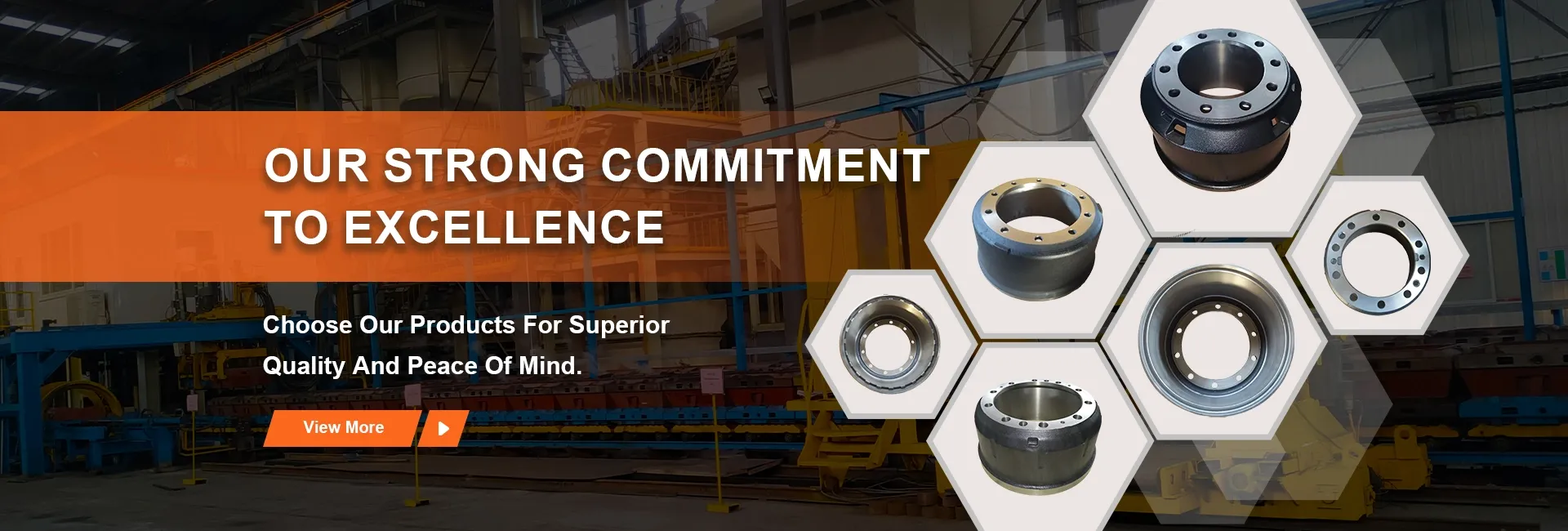
Drum brakes primarily utilize cast iron for both the drum itself and the brake shoes. Cast iron’s high thermal capacity is advantageous for heat dissipation, but its susceptibility to corrosion and wear introduces maintenance challenges. The manufacturing process for cast iron drums involves sand casting, followed by machining operations to achieve precise dimensional tolerances and surface finish. Brake shoes are constructed from steel, often with friction material riveted or bonded to the surface. This friction material is typically a composite of organic compounds, metal fibers, and abrasive fillers, engineered to provide a specific coefficient of friction. The manufacturing of brake shoes involves forming the steel core, applying the friction material under pressure and heat, and machining to final dimensions. In contrast, disc brakes utilize cast iron rotors (though carbon ceramic is used in high-performance applications) and brake pads composed of similar composite materials as brake shoes. Disc rotors are typically manufactured through centrifugal casting, providing superior strength and thermal conductivity. The primary material cost difference lies in the rotor versus drum, with high-quality rotors often being more expensive upfront. However, drum brake replacement frequently requires replacing the entire drum, while rotors can often be resurfaced multiple times, extending their lifespan and reducing long-term costs. The quality of the cast iron alloy significantly influences wear resistance; higher carbon content alloys are generally more durable but also more brittle.
Performance & Engineering
The engineering principles governing drum and disc brake performance differ significantly. Drum brakes rely on the principle of friction generated by the expanding brake shoes pressing against the inner surface of the rotating drum. This system is prone to issues like brake fade due to overheating and sensitivity to water ingress, which reduces friction. The self-energizing effect within a drum brake can amplify braking force, but also contributes to uneven wear. Disc brakes, conversely, utilize calipers to squeeze brake pads against a rotating rotor. This configuration offers superior heat dissipation, more consistent braking performance, and reduced sensitivity to environmental conditions. Force analysis reveals that the clamping force required for equivalent stopping power is typically lower for disc brakes due to their more efficient friction application. Environmental resistance is another key differentiator. Drum brakes are more susceptible to corrosion from road salt and moisture, leading to sticking mechanisms and reduced braking efficiency. The mechanical linkages within a drum brake system require periodic adjustment to compensate for wear, adding to maintenance complexity. Compliance requirements, such as those mandated by FMVSS 105 in the United States, dictate minimum braking performance standards, but do not inherently favor one system over the other. However, the increased consistency and reliability of disc brakes often make it easier to meet these standards over the lifespan of the vehicle.
Technical Specifications
| Component | Drum Brake (Typical) | Disc Brake (Typical) | Relative Cost (Parts Only) |
|---|---|---|---|
| Drum Material | Cast Iron (Gray Cast Iron) | Cast Iron (Gray or Nodular Cast Iron) / Carbon Ceramic (High Performance) | Lower |
| Shoe Material | Steel with Composite Friction Material | Steel with Composite Friction Material | Comparable |
| Rotor/Drum Diameter (Typical Passenger Car) | 203mm - 280mm | 280mm - 360mm | Comparable |
| System Weight (Per Axle) | 8-12 kg | 6-10 kg | Comparable |
| Labor Time (Replacement, Per Axle) | 2.5 - 4 hours | 1.5 - 2.5 hours | Higher for Drum Brakes |
| Resurfacing Capability | Limited – Often Requires Replacement | Multiple Resurfacings Possible | Lower Long-Term Cost for Disc Brakes |
Failure Mode & Maintenance
Drum brakes are susceptible to several common failure modes. Brake shoe delamination, caused by the friction material separating from the steel backing plate, is a frequent issue. This is often linked to insufficient bonding during manufacturing or excessive heat. Drum warping, resulting from uneven heating and cooling cycles, leads to vibration and reduced braking effectiveness. Wheel cylinder leaks, due to corrosion of the seals, result in loss of hydraulic pressure and brake failure. Rust and corrosion within the drum assembly are pervasive problems, causing sticking mechanisms and uneven wear. Maintenance typically involves inspecting brake shoes for wear, adjusting the self-adjusters, replacing worn or damaged components, and ensuring proper lubrication of the moving parts. Disc brakes, while generally more reliable, also experience failures. Rotor warping, pad glazing (a hard, shiny surface on the pads reducing friction), caliper piston seizure, and brake line corrosion are common concerns. Regular inspection of pad thickness, rotor condition, and caliper function is crucial. Disc brakes generally require less frequent maintenance adjustments but more frequent pad replacements due to their higher wear rate. A critical failure mode common to both systems is hydraulic line failure, requiring immediate attention and potentially a full system flush. Predictive maintenance strategies, employing sensors to monitor brake pad wear and rotor temperature, are becoming increasingly common in fleet management.
Industry FAQ
Q: Considering a full replacement, including parts and labor, are drum brakes consistently cheaper than disc brakes?
A: Not necessarily. While the initial cost of drum brake components may be lower, the increased labor time required for replacement, coupled with the potential for additional repairs related to corroded hardware and difficult disassembly, often results in a higher overall cost. Furthermore, if the wheel cylinder needs replacement, that adds significant expense.
Q: How does the frequency of maintenance affect the long-term cost comparison?
A: Drum brakes typically require more frequent adjustments and cleaning due to their mechanical complexity and susceptibility to corrosion. This increased maintenance translates to higher labor costs over the vehicle's lifespan. Disc brakes, while requiring pad replacements, generally need less routine maintenance.
Q: What role does vehicle type play in the cost difference?
A: The vehicle's weight and intended use significantly impact brake wear. Heavy-duty vehicles and those subjected to frequent stopping and starting will experience faster brake wear, potentially negating the initial cost advantage of drum brakes. Larger vehicles generally have more expensive components regardless of brake type.
Q: If a drum brake system is functioning adequately, is it always necessary to convert to disc brakes?
A: Not always. If the system is maintained properly and meets safety standards, it can continue to function reliably. However, converting to disc brakes offers improved performance, consistency, and potentially lower long-term maintenance costs, especially for vehicles used in demanding conditions.
Q: What about the cost of machining or replacing the drum versus resurfacing a rotor?
A: Resurfacing a rotor is generally less expensive than replacing a drum. Rotors can often be resurfaced multiple times, extending their service life. Drums often reach a point where they are too thin to resurface safely, requiring complete replacement. This is a significant cost driver.
Conclusion
In conclusion, determining whether drum brake replacement is more expensive than disc brake replacement is not straightforward. While the individual components of a drum brake system may have a lower initial cost, the increased labor time required for replacement, the higher frequency of maintenance, and the potential for consequential repairs often result in a higher overall lifecycle cost. The superior performance, consistency, and reduced maintenance demands of disc brakes frequently make them the more cost-effective choice in the long run, particularly for vehicles subjected to demanding operating conditions.
The trend in automotive engineering is demonstrably moving towards disc brakes as the standard, largely due to their inherent advantages in performance and reliability. While drum brakes may remain a viable option for certain light-duty applications, proactive fleet managers and vehicle owners should carefully consider the long-term cost implications when making maintenance or repair decisions. Thorough inspection, preventative maintenance, and a holistic cost analysis are crucial for optimizing brake system performance and minimizing overall expenses.