
Introduction
Drum brake 3D models represent a critical component in vehicle braking systems, encompassing a foundational element within the broader automotive safety chain. These models, both physical and digital, are utilized extensively in design, analysis, and manufacturing processes. The core function of a drum brake system is to decelerate or stop a vehicle's rotation via friction generated between brake shoes and the inner surface of a rotating drum. A 3D model facilitates a comprehensive understanding of the brake’s geometry, enabling detailed Finite Element Analysis (FEA) for stress distribution, thermal management, and durability assessments. The industry’s increasing focus on safety, efficiency, and reduced weight demands sophisticated drum brake designs, making accurate and detailed 3D modeling an indispensable tool. Key performance indicators include braking torque, fade resistance, and service life, all directly impacted by the precision of the 3D model and subsequent manufacturing processes. The development and refinement of these 3D models address the core industry pain point of optimizing braking performance while minimizing component weight and cost.
Material Science & Manufacturing
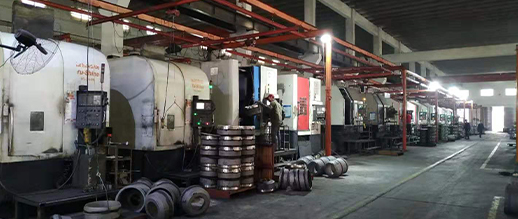
The primary materials for drum brake components are grey cast iron for the drum itself and steel alloys (typically medium carbon steel) for the brake shoes and backing plates. Grey cast iron is selected for its excellent heat capacity, damping characteristics, and wear resistance, crucial for absorbing and dissipating the substantial thermal energy generated during braking. Its composition typically ranges from 2.5% to 4% carbon, with silicon, manganese, and phosphorus contributing to its castability and mechanical properties. Steel alloys for brake shoes are chosen for their high friction coefficient, ductility, and resistance to fatigue. The manufacturing process for drum brakes involves several key stages. The drum is typically produced via casting, employing sand casting or centrifugal casting techniques. Centrifugal casting yields a denser, more uniform structure with improved mechanical properties. Brake shoes are formed through stamping or forging, followed by machining to achieve precise dimensions and surface finish. Backing plates are also produced through stamping. A critical manufacturing parameter is the surface finish of the drum’s inner surface; a consistent and appropriate roughness is vital for optimal friction and reduced wear. Heat treatment processes are employed to enhance the hardness and wear resistance of brake shoes. Quality control relies heavily on dimensional inspection, material composition analysis, and non-destructive testing (NDT) methods like ultrasonic testing to detect internal flaws in the cast iron drum. Chemical compatibility between the drum and brake shoe friction materials is also paramount to prevent corrosion and ensure long-term performance. Friction materials commonly used include organic, semi-metallic, and ceramic compounds, each requiring specific bonding agents and curing processes to adhere to the brake shoes.

Performance & Engineering
The performance of a drum brake system is fundamentally governed by the principles of friction and heat transfer. The braking torque generated is directly proportional to the coefficient of friction between the brake shoes and the drum, as well as the normal force applied. Engineering analysis focuses on optimizing these parameters while managing the thermal load. Finite Element Analysis (FEA) is extensively utilized to predict stress distributions within the drum and shoes under braking loads, identifying potential failure points and guiding design modifications. Thermal analysis is equally crucial, as excessive temperatures can lead to brake fade – a reduction in braking efficiency due to the loss of friction coefficient at high temperatures. Ventilation strategies, such as incorporating fins or utilizing different drum materials, are employed to enhance heat dissipation. The system must meet stringent compliance requirements related to braking performance, including stopping distance, deceleration rates, and fade resistance, as defined by regulations such as FMVSS 105 in the United States and ECE Regulation 13 in Europe. The engineering design must account for factors like drum deformation under load, shoe expansion due to heat, and the dynamic interactions between components during braking maneuvers. Force analysis considers radial and axial forces acting on the brake shoes, ensuring stable contact and preventing premature wear. Environmental resistance is also critical; components must withstand exposure to moisture, salt, and other corrosive elements without significant degradation. Material selection and surface treatments (e.g., coatings) play a key role in achieving this.
Technical Specifications
| Parameter | Unit | Typical Value (Passenger Vehicle) | Testing Standard |
|---|---|---|---|
| Drum Diameter | mm | 203-320 | ISO 2787 |
| Drum Width | mm | 38-50 | SAE J477 |
| Friction Coefficient (μ) | - | 0.25 - 0.40 | FMVSS 105 |
| Braking Torque | Nm | 300-800 (depending on vehicle weight) | ECE R13 |
| Maximum Operating Temperature | °C | 300-350 | DIN 50049 |
| Wear Rate (Brake Shoe) | mm/1000 km | 0.05-0.15 | ISO 4287 |
Failure Mode & Maintenance
Common failure modes in drum brake systems include brake shoe wear, drum scoring, wheel cylinder leaks, and spring failures. Brake shoe wear is a natural consequence of friction and is addressed through periodic inspection and replacement. Drum scoring occurs when abrasive particles become embedded between the shoes and the drum, leading to surface damage and reduced braking performance. This can be mitigated through proper maintenance and the use of high-quality friction materials. Wheel cylinder leaks, typically caused by rubber seal degradation, result in loss of hydraulic pressure and reduced braking force. Spring failures, specifically related to the return springs, can cause the brakes to drag or become inoperative. Fatigue cracking in the drum itself, particularly around mounting holes, is a critical failure mode that can lead to catastrophic failure. Corrosion is another significant contributor to brake system failures, especially in environments with high salt exposure. Preventive maintenance involves regular inspection of brake shoe thickness, drum surface condition, wheel cylinder seals, and spring integrity. Lubrication of pivot points and adjuster mechanisms is essential to prevent sticking and ensure smooth operation. Proper brake adjustment is vital to maintain adequate pedal travel and braking force. When diagnosing failures, careful inspection for signs of wear, corrosion, or leakage is crucial. Non-destructive testing (NDT) methods, such as dye penetrant inspection, can be used to detect surface cracks in the drum. Replacement of worn or damaged components should be performed using high-quality parts that meet or exceed original equipment manufacturer (OEM) specifications.
Industry FAQ
Q: What is the impact of drum runout on braking performance and what are acceptable tolerances?
A: Drum runout, or the variation in radial position during rotation, significantly affects braking performance. Excessive runout causes uneven contact between the brake shoes and the drum, leading to reduced friction, increased wear, and potential brake judder (pulsation). Acceptable tolerances typically fall within 0.05-0.10 mm total indicator reading (TIR), as specified by SAE J477. Runout exceeding these limits requires drum resurfacing or replacement.
Q: How does the choice of friction material (organic, semi-metallic, ceramic) impact noise, vibration, and harshness (NVH) characteristics?
A: Friction material composition directly influences NVH. Organic materials generally offer quieter operation but have lower heat resistance and wear life. Semi-metallic compounds provide a balance of performance and NVH but can generate more brake dust. Ceramic materials exhibit excellent heat resistance, low noise, and reduced dust, but often come at a higher cost. The selection depends on the vehicle application and desired NVH characteristics.
Q: What are the primary causes of brake fade, and how can drum brake designs mitigate this issue?
A: Brake fade is primarily caused by the reduction in friction coefficient at elevated temperatures. This occurs due to the decomposition of friction materials or the vaporization of contaminants. Mitigation strategies include using high-temperature friction materials, improving drum ventilation through fins or optimized designs, and employing drum materials with higher thermal conductivity. Proper brake cooling is also crucial.
Q: What is the role of the self-adjuster mechanism in maintaining optimal braking performance?
A: The self-adjuster mechanism automatically compensates for brake shoe wear, maintaining the correct clearance between the shoes and the drum. This ensures consistent pedal feel and optimal braking force throughout the service life of the brakes. A malfunctioning self-adjuster can lead to excessive pedal travel or brake dragging.
Q: What are the limitations of drum brakes compared to disc brakes, and in what applications are drum brakes still preferred?
A: Drum brakes generally have lower heat dissipation capacity and are more susceptible to fade under heavy braking compared to disc brakes. They also have a more complex mechanical linkage, potentially increasing maintenance requirements. However, drum brakes are still preferred in certain applications, particularly in the rear axles of lighter vehicles and in parking brake systems, due to their lower cost, simpler actuation mechanisms, and ability to integrate the parking brake function effectively.
Conclusion
The drum brake 3D model, and the underlying principles of its design and manufacture, remains a fundamental element in braking system technology. While disc brakes have become dominant in many applications, drum brakes continue to offer a cost-effective and reliable solution, particularly in specific vehicle segments. Optimizing drum brake performance requires a thorough understanding of material science, heat transfer, and frictional behavior, coupled with the utilization of advanced engineering analysis tools like FEA. Addressing key failure modes through robust design, proper maintenance, and the selection of high-quality materials is essential for ensuring safety and longevity.
Future developments will likely focus on refining drum brake designs to improve heat dissipation, reduce weight, and enhance durability. Integration of advanced materials, such as carbon-ceramic composites, and the application of additive manufacturing techniques offer promising avenues for innovation. Furthermore, the continued development of sophisticated 3D modeling and simulation tools will enable engineers to create even more efficient and reliable drum brake systems. The integration of smart sensors and monitoring systems could also provide real-time feedback on brake performance, enabling predictive maintenance and enhancing overall safety.