

Introduction
Brake drums are foundational components within braking systems, responsible for converting rotational kinetic energy into thermal energy via friction. Their price is a crucial factor in overall vehicle or machinery cost, directly impacting profitability for OEMs and maintenance expenses for end-users. The industrial chain positions brake drums downstream from raw material suppliers (grey iron, ductile iron, steel), foundries, machining facilities, and ultimately to vehicle assemblers or aftermarket distributors. Core performance characteristics encompass thermal capacity, wear resistance, dimensional stability at elevated temperatures, and mechanical strength to withstand significant stresses. Fluctuations in raw material costs, manufacturing complexity, and demand volume heavily influence brake drum pricing. This guide provides an in-depth analysis of these factors, exploring material science, manufacturing processes, performance parameters, failure modes, and relevant industry standards affecting brake drum price.
Material Science & Manufacturing
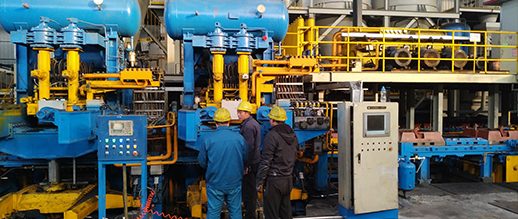
The predominant material for brake drums is grey cast iron, specifically grades conforming to ASTM A48. Grey iron’s low tensile strength is compensated for by its excellent heat dissipation characteristics and inherent damping capacity, minimizing noise and vibration. However, ductile iron (ASTM A536) is increasingly used, especially in heavy-duty applications. Ductile iron offers significantly improved tensile strength, impact resistance, and wear resistance, allowing for thinner drum walls and reduced weight – impacting price due to the higher material cost. Steel drums, though less common due to corrosion concerns, are utilized where extreme strength and durability are paramount. Manufacturing typically involves sand casting, followed by machining operations (turning, milling, drilling) to achieve precise dimensions and surface finish. Key parameter control during casting includes melt composition, pouring temperature, cooling rate, and sand mold quality. Machining parameters like cutting speed, feed rate, and coolant application directly affect surface integrity and dimensional accuracy. Heat treatment, such as stress relieving, may be employed to minimize distortion and improve mechanical properties, adding to the production cost. The foundry’s efficiency and casting yield significantly impact the final brake drum price. Automated machining processes offer cost savings but require significant capital investment.
Performance & Engineering
Brake drum performance is intrinsically linked to its ability to manage thermal stresses induced by repeated braking events. Finite element analysis (FEA) is employed to model temperature distribution, stress concentration, and deformation under various braking loads. The drum’s geometry, particularly its wall thickness and fin design, plays a critical role in heat dissipation. Increased fin surface area enhances convective heat transfer. Material selection influences the drum’s thermal conductivity and specific heat capacity. Engineering considerations include determining the optimal drum diameter and width to balance braking torque, heat capacity, and weight. Compliance requirements, such as those stipulated by SAE J477 (Performance Requirements for Automotive Brake Drums), dictate minimum performance standards for stopping distance, fade resistance, and drum durability. The braking system's overall effectiveness relies on proper drum-to-shoe friction coefficient, which is affected by the drum’s surface roughness and the brake shoe material. High-performance applications may incorporate specialized coatings (e.g., molybdenum disulfide) to reduce friction coefficient variation and enhance braking consistency, increasing the price.
Technical Specifications
| Parameter | Grey Cast Iron (Typical) | Ductile Iron (Typical) | Steel (Typical) |
|---|---|---|---|
| Material Standard | ASTM A48 Class 30 | ASTM A536 Grade 65-35 | SAE 1045 |
| Tensile Strength (MPa) | 205-345 | 400-600 | 560-760 |
| Compressive Strength (MPa) | 790-1170 | 965-1380 | 896-1450 |
| Thermal Conductivity (W/m·K) | 45-55 | 40-50 | 40-50 |
| Hardness (Brinell) | 160-240 | 180-280 | 150-300 |
| Price Range (USD/Unit - Approx.) | $30 - $75 | $60 - $150 | $80 - $200 |
Failure Mode & Maintenance
Brake drum failure modes commonly include thermal cracking, spalling, wear, and distortion. Thermal cracking arises from rapid temperature gradients induced by severe braking. Spalling is the chipping or flaking of the drum surface due to fatigue and material defects. Wear results from abrasive contact with brake shoes. Distortion, or out-of-roundness, can occur due to uneven wear or thermal stress. Failure analysis often reveals initiating factors such as casting porosity, machining defects, or improper brake shoe adjustment. Corrosion is a significant concern for steel drums, particularly in environments with high humidity or salt exposure. Maintenance practices include periodic inspection for cracks, wear, and distortion. Resurfacing of drums to remove wear and restore dimensional accuracy is a common practice, extending service life and reducing costs. Regular cleaning to remove brake dust and debris is crucial to prevent corrosion and maintain braking efficiency. Proper brake shoe adjustment ensures uniform contact and minimizes uneven wear. Scheduled replacement based on manufacturer’s recommendations or observed wear levels is essential for preventing catastrophic failure. Ignoring warning signs like squealing noises, pulsating pedal feel, or extended stopping distances can lead to costly repairs and safety hazards.
Industry FAQ
Q: What is the primary driver of brake drum price fluctuation?
A: Raw material costs, particularly iron ore and steel prices, are the primary driver. Significant shifts in these commodity markets directly impact foundry costs and, consequently, brake drum pricing. Energy costs associated with melting and machining also contribute to price volatility.
Q: How does the drum's weight influence its price?
A: Generally, heavier drums require more material and energy to produce, increasing their price. However, the material choice impacts weight – ductile iron drums can be lighter than grey iron drums while maintaining strength, potentially offsetting material cost increases.
Q: What is the benefit of using ductile iron over grey cast iron, and how does this impact the price?
A: Ductile iron offers superior tensile strength, impact resistance, and wear resistance, allowing for thinner drum walls and reduced weight. This translates to improved braking performance and potentially longer service life. However, ductile iron is more expensive than grey cast iron, resulting in a higher price for drums made from this material.
Q: What role does automation play in controlling brake drum price?
A: Automation in casting, machining, and inspection processes can significantly reduce labor costs, improve production efficiency, and minimize defects. While the initial investment in automation is substantial, the long-term benefits typically result in lower per-unit production costs and, potentially, lower prices.
Q: How do different order volumes affect brake drum pricing?
A: Larger order volumes generally lead to lower per-unit prices due to economies of scale. Foundries and machining facilities can leverage higher production runs to reduce overhead costs and negotiate better material prices. Conversely, small or custom orders typically command a premium.
Conclusion
The price of a brake drum is not solely determined by material composition but is a complex interplay of material costs, manufacturing processes, performance requirements, and market forces. Grey cast iron remains the dominant material due to its cost-effectiveness and adequate thermal properties, however, the increasing demand for higher performance and lighter weight is driving the adoption of ductile iron, despite its higher price. Understanding the material science, manufacturing parameters, and potential failure modes is critical for procurement professionals seeking to optimize cost and ensure long-term reliability.
Future trends in brake drum technology are likely to focus on advanced materials (e.g., composite materials) and innovative designs aimed at further reducing weight, improving heat dissipation, and enhancing braking performance. These advancements will inevitably impact pricing structures, requiring ongoing analysis and adaptation from industry stakeholders. Furthermore, stricter environmental regulations may drive the development of more sustainable materials and manufacturing processes, potentially influencing long-term costs.