

Introduction
Drum brakes, while increasingly supplanted by disc brakes in front axle applications, remain a prevalent component of the braking systems in many heavy-duty trucks, particularly on the rear axles. Proper adjustment of these brakes is critical for ensuring optimal stopping performance, minimizing wear on brake components, and preventing potentially dangerous conditions such as brake fade or wheel lockup. This guide provides a comprehensive technical overview of drum brake adjustment procedures, encompassing material science considerations, performance parameters, potential failure modes, and relevant industry standards. The core challenge in drum brake maintenance lies in accurately compensating for friction material wear, maintaining consistent contact between the shoes and the drum, and preventing over- or under-adjustment, both of which compromise braking effectiveness and accelerate component degradation. A thorough understanding of the mechanical linkages and thermal dynamics is essential for effective and safe brake adjustment.
Material Science & Manufacturing
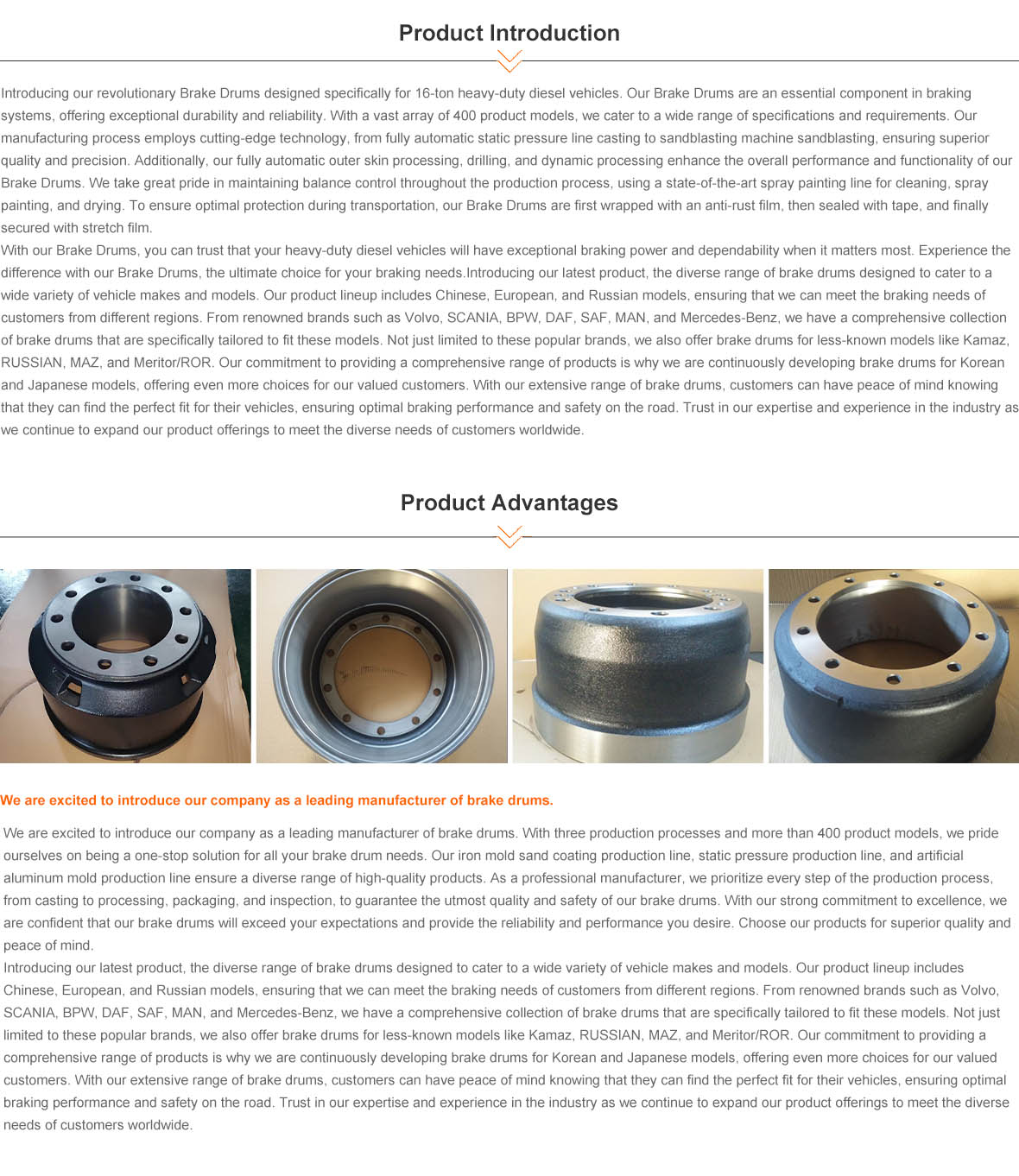
The functionality of drum brakes is intrinsically linked to the material properties of several key components. Brake drums are commonly constructed from gray cast iron (ASTM A48 Class 30), chosen for its high thermal conductivity, wear resistance, and machinability. However, variations exist, with some drums employing ductile iron for increased strength and resistance to thermal shock. Brake shoes typically feature a steel core bonded to friction material. The friction material composition varies, but often includes organic materials, semi-metallic compounds, or non-asbestos organic (NAO) formulations. These materials are engineered to provide a controlled coefficient of friction within a defined temperature range. The manufacturing process for drums involves casting, followed by machining to precise tolerances for surface finish and diameter. Brake shoes are manufactured through stamping or forging of the steel core, followed by hot-riveting or bonding of the friction material. Critical parameters during manufacturing include the density and porosity of the friction material, the bond strength between the core and lining, and the drum’s roundness and surface hardness. Differential thermal expansion between the steel core and friction material can contribute to delamination under severe braking conditions. The steel utilized for the brake shoe must have sufficient tensile strength to withstand the stresses induced during braking; typically, medium-carbon steels are employed, heat-treated for optimal mechanical properties.
Performance & Engineering
The performance of drum brakes is governed by several engineering principles. The braking force is generated by the friction between the brake shoes and the inner surface of the rotating drum. This friction converts kinetic energy into thermal energy, slowing the vehicle. The mechanical advantage of the brake system is determined by the wheel cylinder, which pushes the brake shoes outwards. The geometry of the brake shoes – including the arc of contact – significantly impacts braking efficiency. Environmental factors, such as temperature and moisture, affect the coefficient of friction. Wet conditions reduce the friction coefficient, increasing stopping distances. Repeated braking cycles generate substantial heat, which can lead to brake fade – a reduction in braking efficiency due to the loss of friction material properties. The brake system must be engineered to dissipate this heat effectively. Compliance requirements, such as those defined by FMVSS 105 (Federal Motor Vehicle Safety Standards), dictate minimum braking performance levels, including stopping distance and brake fade resistance. Force analysis of the brake system considers the radial load on the wheel bearings, the tangential force generated by the braking action, and the internal stresses within the brake components. Proper adjustment ensures that the brake shoes are applying sufficient force to the drum without excessive drag, which would lead to overheating and premature wear.
Technical Specifications
| Parameter | Typical Value (Heavy Duty Truck) | Unit | Testing Standard |
|---|---|---|---|
| Drum Diameter | 380-430 | mm | SAE J548 |
| Drum Width | 140-200 | mm | SAE J548 |
| Friction Material Thickness (New) | 8-12 | mm | Manufacturer Specification |
| Wheel Cylinder Bore Diameter | 22-32 | mm | Manufacturer Specification |
| Maximum Operating Temperature | 300-400 | °C | SAE J377 |
| Minimum Coefficient of Friction | 0.30 | - | FMVSS 105 |
Failure Mode & Maintenance
Drum brakes are susceptible to several failure modes. Fatigue cracking of the brake shoes can occur due to repeated stress cycles. Delamination of the friction material from the steel core is often caused by differential thermal expansion or inadequate bonding. Drum warpage, resulting from uneven heating and cooling, can lead to uneven brake shoe contact and reduced braking efficiency. Glazing of the friction material, caused by prolonged exposure to high temperatures, reduces the coefficient of friction. Rust and corrosion, particularly in humid environments, can compromise the integrity of the brake drum and shoes. Over-adjustment can cause constant shoe-to-drum contact, leading to overheating and rapid wear. Under-adjustment results in increased stopping distances and reduced braking force. Maintenance procedures include regular inspection of the brake shoes and drum for wear, checking the wheel cylinder for leaks, and lubricating the self-adjuster mechanism. Resurfacing of the brake drum may be necessary to remove minor imperfections, but must be performed within specified limits to maintain proper braking performance. A thorough cleaning of all brake components is crucial to remove contaminants that can accelerate wear or reduce friction. Scheduled replacement of worn components is essential to ensure continued safe operation.
Industry FAQ
Q: What is the correct method for determining when drum brakes require adjustment?
A: The most reliable method is to visually inspect the brake shoes for wear. However, a practical indicator is excessive pedal travel or a noticeable reduction in braking performance. Another diagnostic step is to rotate the wheel with the brake disengaged; excessive free play indicates a need for adjustment. Automatic adjusters can fail, requiring manual intervention. Regular inspection during routine maintenance is crucial for proactive identification.
Q: What are the risks associated with over-adjusting drum brakes?
A: Over-adjustment causes the brake shoes to remain in constant contact with the drum, leading to overheating, premature wear of both shoes and drum, and potential brake fade. It can also create excessive drag, reducing fuel efficiency and potentially damaging the wheel bearings.
Q: How does ambient temperature affect drum brake performance and adjustment?
A: Temperature fluctuations impact the coefficient of friction and the thermal expansion of brake components. Cold temperatures can reduce friction, increasing stopping distances. Hot temperatures can lead to brake fade. Adjustment should be performed with the brakes at normal operating temperature whenever feasible. Seasonal adjustments may be required to compensate for significant temperature changes.
Q: What are the common causes of automatic adjuster failure in drum brakes?
A: Common causes include corrosion, dirt and debris accumulation within the adjuster mechanism, broken or worn adjuster components, and a lack of regular lubrication. Regular inspection and cleaning of the adjuster mechanism are essential for preventing failures.
Q: Is drum brake resurfacing always recommended when replacing brake shoes?
A: Resurfacing is recommended if the drum surface is scored, warped, or exhibits excessive runout. However, there are limits to the amount of material that can be removed during resurfacing. If the drum is too thin after resurfacing, it must be replaced to ensure safe operation. Always adhere to the manufacturer’s specifications for drum thickness.
Conclusion
Effective drum brake adjustment is a crucial element of heavy-duty truck maintenance, directly impacting safety, operational efficiency, and component longevity. A comprehensive understanding of the material science, engineering principles, and potential failure modes governing drum brake operation is paramount for technicians and fleet managers. Regular inspection, proper adjustment techniques, and diligent maintenance practices are essential for maximizing braking performance and minimizing the risk of catastrophic failures.
Future advancements in braking technology may see a continued shift towards disc brake systems. However, drum brakes will likely remain a significant component of the transportation industry for years to come, particularly in specific applications where cost-effectiveness and robustness are prioritized. Continued research into friction material development and advanced braking control systems will further optimize the performance and reliability of drum brake technology.