

Introduction
The 65555b brake drum is a critical component in heavy-duty braking systems, primarily utilized in commercial vehicles, industrial machinery, and certain rail applications. Positioned within the vehicle's wheel assembly, its function is to provide a friction surface for the brake shoes or pads to engage, converting kinetic energy into thermal energy and thereby decelerating or stopping the vehicle. Unlike disc brakes which are increasingly prevalent in passenger vehicles, drum brakes – and specifically the 65555b variant – continue to be favored in applications demanding high torque capacity, robust performance under severe duty cycles, and cost-effectiveness. The 65555b designation refers to a specific dimensional profile and material composition, optimized for compatibility with a defined range of braking systems. Core performance indicators for this brake drum include thermal capacity (the ability to absorb heat repeatedly without degradation), wear resistance, resistance to thermal shock, and dimensional stability under load. A significant industry pain point revolves around managing heat buildup and ensuring consistent friction performance, leading to premature wear and reduced braking efficiency. Understanding the material science and manufacturing processes is therefore vital to achieving reliable performance and longevity.
Material Science & Manufacturing
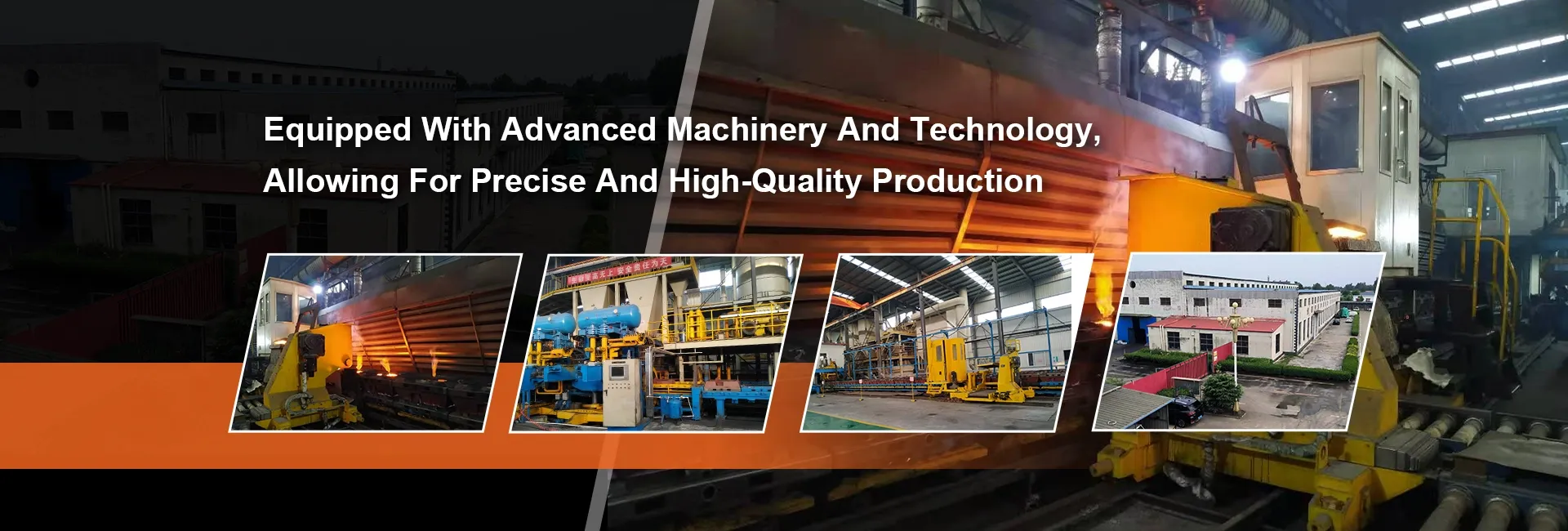
The 65555b brake drum is typically manufactured from gray cast iron, specifically grades conforming to ASTM A48 Class 30 or equivalent international standards. Gray cast iron is selected for its inherent damping characteristics – minimizing brake squeal – excellent wear resistance, and cost-effectiveness. The chemical composition generally consists of 2.5-4.0% Carbon, 1.2-2.5% Silicon, 0.3-1.0% Manganese, and trace amounts of Sulfur and Phosphorus. The graphite flake structure within the iron matrix provides lubricity and contributes to thermal conductivity. Manufacturing commences with patternmaking, creating a mold cavity replicating the desired drum geometry. Sand casting is the predominant method, utilizing green sand, chemically bonded sand, or shell molding depending on production volume and required surface finish. The molten iron is poured into the mold, allowed to solidify, and subsequently undergoes shakeout, cleaning, and inspection. Critical parameters during casting include pouring temperature (typically 1250-1350°C), cooling rate, and mold material properties to prevent defects like shrinkage porosity and hot tears. Machining operations follow, including turning, milling, and drilling to achieve precise dimensions and smooth braking surfaces. Surface hardening processes, such as induction hardening or chilled casting, are often employed to enhance wear resistance, particularly on the friction surfaces. Quality control checks throughout the manufacturing process are paramount, including chemical analysis, mechanical testing (hardness, tensile strength), and dimensional inspection. Recent trends explore the use of alternative materials such as compacted graphite iron (CGI) for increased thermal capacity and reduced weight, although cost remains a barrier to widespread adoption.
Performance & Engineering
The performance of the 65555b brake drum is governed by a complex interplay of thermal, mechanical, and tribological factors. During braking, kinetic energy is converted to heat via friction between the brake shoes and the drum’s inner surface. This heat must be dissipated efficiently to prevent brake fade – a reduction in braking force due to overheating. The drum's thermal capacity dictates how much heat it can absorb before reaching critical temperatures. Finite Element Analysis (FEA) is frequently employed during the design phase to optimize drum geometry for uniform heat distribution and minimize stress concentrations. Force analysis considers radial loads generated by the brake shoes, tangential stresses due to friction, and centrifugal forces during rotation. Material selection is crucial for resisting these stresses and preventing cracking or deformation. Environmental resistance is also a key consideration. Brake drums are exposed to corrosive elements such as road salt, water, and industrial contaminants. Protective coatings, such as zinc phosphate or epoxy-based paints, are applied to mitigate corrosion. Compliance requirements, particularly relating to safety standards like FMVSS 105 in the US and ECE R90 in Europe, dictate minimum performance criteria for braking systems, including stopping distance and brake force. Functional implementation also requires careful consideration of tolerances to ensure proper fit and operation within the braking assembly. The drum's surface finish must be controlled to optimize friction characteristics and minimize noise. Regular inspections for wear, cracks, and corrosion are essential for maintaining optimal performance and preventing catastrophic failure.
Technical Specifications
| Diameter (in) | Width (in) | Material Grade | Min. Tensile Strength (PSI) | Max. Operating Temperature (°C) | Weight (lbs) |
|---|---|---|---|---|---|
| 14 | 4 | ASTM A48 Class 30 | 30,000 | 400 | 85 |
| 16 | 5 | ASTM A48 Class 30 | 35,000 | 420 | 120 |
| 18 | 6 | ASTM A48 Class 30 | 40,000 | 450 | 160 |
| 20 | 7 | ASTM A48 Class 30 | 45,000 | 480 | 210 |
| 14 | 4 | CGI (Compacted Graphite Iron) | 50,000 | 500 | 95 |
| 16 | 5 | CGI (Compacted Graphite Iron) | 55,000 | 520 | 130 |
Failure Mode & Maintenance
Failure modes in the 65555b brake drum typically stem from thermal stress, mechanical fatigue, and corrosion. Common failure mechanisms include: 1) Thermal Cracking: Repeated heating and cooling cycles induce thermal stresses, potentially leading to circumferential cracking, particularly near the braking surface. 2) Fatigue Cracking: Cyclic loading from braking forces can initiate fatigue cracks, especially in areas of stress concentration (e.g., bolt holes, keyways). 3) Wear: Abrasive wear from the brake shoes gradually removes material from the drum’s inner surface, reducing its effective diameter and braking capacity. 4) Spalling: Surface layers can spall off due to excessive wear or thermal shock, creating rough surfaces and reducing friction. 5) Corrosion: Exposure to corrosive environments can cause pitting corrosion, weakening the drum’s structure. 6) Delamination: In drums with surface hardening, separation of the hardened layer from the base metal can occur. Maintenance is crucial for preventing these failures. Regular inspections should be conducted to assess wear, cracks, and corrosion. Brake drums should be periodically removed and inspected for runout (eccentricity), which can cause brake pulsation and uneven wear. The braking surface should be cleaned regularly to remove debris and contaminants. If cracks are detected, the drum should be replaced immediately. Resurfacing of worn drums can extend their service life, but must be performed within specified limits to maintain structural integrity. Proper lubrication of the brake shoe pivot points is also essential to prevent binding and uneven wear. Avoid aggressive braking maneuvers, which generate excessive heat and accelerate wear.
Industry FAQ
Q: What is the primary difference between a gray iron and a CGI brake drum, and when would I choose one over the other?
A: CGI (Compacted Graphite Iron) offers significantly higher tensile strength, thermal conductivity, and damping capacity compared to traditional gray iron. This translates to improved thermal management, reduced brake fade, and lower noise levels. However, CGI is substantially more expensive. Gray iron remains the preferred choice for cost-sensitive applications where extreme performance isn’t critical. CGI is typically reserved for high-duty applications like heavy-duty trucks, buses, and certain rail vehicles.
Q: How critical is surface finish on the brake drum’s inner surface?
A: Surface finish is extremely critical. A smooth, consistent surface promotes optimal friction, minimizes wear on the brake shoes, and reduces the risk of brake squeal. Excessive roughness can lead to erratic braking performance and premature failure of both the drum and the shoes. Manufacturers typically specify a maximum surface roughness value (Ra) for the braking surface.
Q: What are the telltale signs that a brake drum needs to be replaced rather than resurfaced?
A: If the drum is below the minimum allowable thickness after resurfacing, it must be replaced. Other indicators include extensive cracking, significant pitting corrosion, or evidence of delamination. Resurfacing removes material, and exceeding the minimum thickness compromises the drum's structural integrity and heat dissipation capability.
Q: How does the drum’s mass affect braking performance?
A: The drum's mass contributes to its thermal capacity – a heavier drum can absorb more heat. However, excessive mass increases unsprung weight, which can negatively impact ride quality and handling. Optimizing the drum's mass involves a trade-off between thermal performance and vehicle dynamics. CGI’s increased thermal conductivity allows for a lighter drum with comparable thermal capacity to a heavier gray iron drum.
Q: What is the impact of improper lug nut torque on brake drum performance and longevity?
A: Improper lug nut torque can lead to uneven clamping force, causing warping of the drum and rotor. This results in brake pulsation, uneven wear, and potential cracking. Under-torqued lug nuts can allow the wheel to loosen, posing a serious safety hazard. Over-torqued lug nuts can stretch the wheel studs and damage the drum’s mounting surface.
Conclusion
The 65555b brake drum remains a crucial element in many braking systems, particularly in applications demanding high torque and durability. Its performance is intrinsically linked to material science – the properties of gray cast iron and increasingly, CGI – and precise manufacturing controls. Understanding the interplay between thermal management, mechanical stresses, and environmental factors is vital for optimizing drum design and ensuring reliable operation.
Continued advancements in material technology, coupled with sophisticated modeling and simulation techniques, will likely lead to further improvements in brake drum performance. The industry trend towards lighter materials and enhanced thermal efficiency promises to address key challenges associated with brake fade and wear. Proper maintenance practices, including regular inspections and timely replacement of worn components, remain paramount for maximizing the service life and ensuring the safety of braking systems.