

Introduction
Rear drum brake sticking is a common automotive issue characterized by a reluctance of the brake shoes to retract fully from the brake drum after application, resulting in drag, reduced fuel efficiency, uneven wear, and potential safety hazards. While disc brakes have become prevalent in front axle applications, many vehicles, particularly those in the light-duty truck and older passenger car segments, continue to utilize drum brakes on the rear axle due to cost-effectiveness and self-energizing braking characteristics. This guide provides a comprehensive technical overview of the mechanisms causing rear drum brake sticking, encompassing material science, manufacturing considerations, performance analysis, failure modes, and preventative maintenance strategies. Understanding the interplay of these factors is critical for automotive technicians, fleet managers, and brake system designers to accurately diagnose and rectify this issue, ensuring optimal vehicle performance and safety.
Material Science & Manufacturing
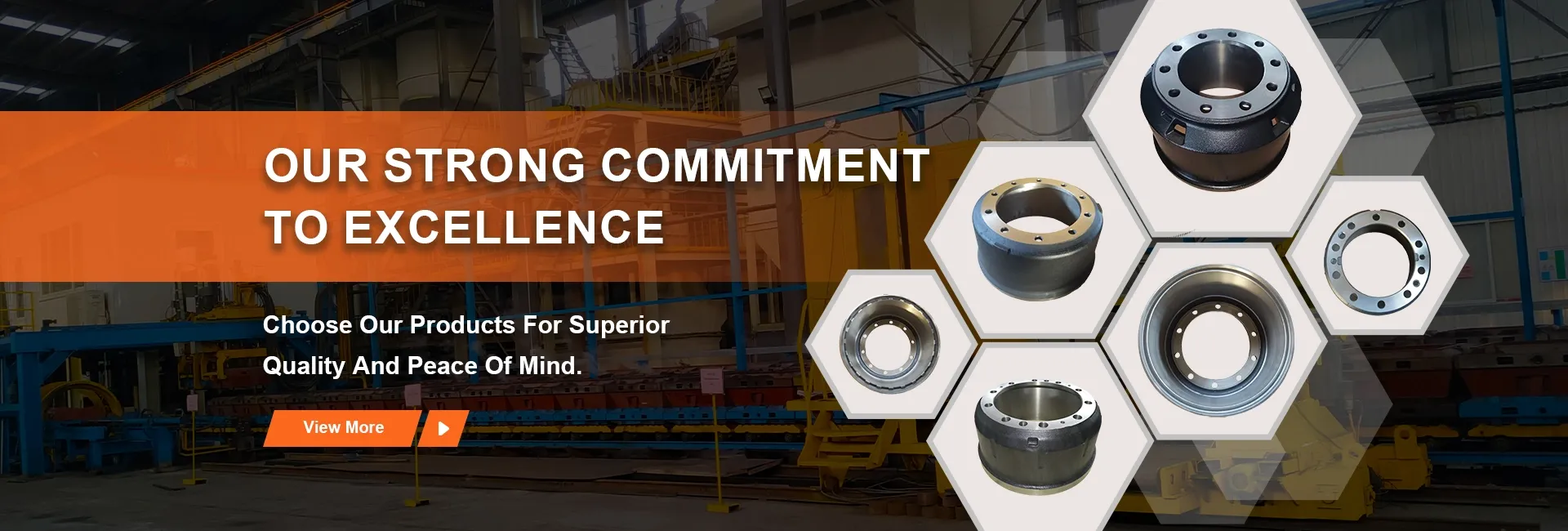
The core components susceptible to contributing to sticking are the brake shoes, the brake drum, and the associated hardware. Brake shoes are typically constructed from cast iron with a friction material bonded to the surface. This friction material is a composite often containing asbestos (historically, now largely replaced with organic and metallic fibers), phenolic resin, and various fillers. The cast iron core provides structural support, while the friction material provides the necessary coefficient of friction. Brake drums are generally made from gray cast iron, selected for its heat capacity, wear resistance, and machinability. Manufacturing processes impacting brake function include casting, machining, and heat treatment. Critical parameters for drum casting include carbon content, silicon content (influencing graphite formation and wear resistance), and tensile strength. Machining tolerances, particularly the inner diameter of the drum and the shoe-to-drum clearance, are paramount. Improper heat treatment can result in localized hardness variations, increasing susceptibility to warping and uneven wear. The return springs, often manufactured from high-carbon steel wire, are subject to fatigue and corrosion, influencing their ability to adequately retract the shoes. Lubricants used during assembly, typically silicone-based greases, can degrade over time, losing their effectiveness and contributing to stickiness. The quality and consistency of these materials and manufacturing processes directly influence the likelihood of brake sticking.
Performance & Engineering
The functionality of a drum brake relies on the precise interaction between the brake shoes, drum, wheel cylinder, and return springs. When the brake pedal is depressed, hydraulic pressure from the master cylinder actuates the wheel cylinder, forcing the brake shoes outward against the rotating drum. The friction generated slows the vehicle. Upon release of the pedal, the return springs should pull the shoes back to a minimal clearance position, allowing the drum to rotate freely. Sticking occurs when this retraction is impeded. Force analysis reveals that the retraction force must overcome several resistive forces: friction between the shoe lining and the drum, friction within the shoe pivot points, and the force exerted by any corrosion or debris accumulated within the brake assembly. Environmental resistance plays a significant role; moisture, road salt, and contaminants accelerate corrosion and degrade lubricants. Compliance requirements, such as those dictated by FMVSS 105 (Federal Motor Vehicle Safety Standards), mandate specific braking performance characteristics, including stopping distance and brake force distribution. A sticking brake directly impacts these parameters, leading to non-compliance. Furthermore, uneven shoe wear caused by sticking can induce drum eccentricity, leading to brake pedal pulsations and noise.
Technical Specifications
| Parameter | Typical Value (Passenger Car) | Typical Value (Light Duty Truck) | Acceptable Variation |
|---|---|---|---|
| Drum Inner Diameter | 203 mm (8 in) | 228 mm (9 in) | ± 0.13 mm (0.005 in) |
| Shoe Width | 38 mm (1.5 in) | 50 mm (2 in) | ± 1.3 mm (0.05 in) |
| Shoe-to-Drum Clearance | 0.38 - 0.76 mm (0.015 – 0.030 in) | 0.51 - 0.89 mm (0.020 – 0.035 in) | ± 0.13 mm (0.005 in) |
| Return Spring Force | 8.9 - 13.3 N (2 – 3 lbf) per spring | 13.3 - 17.8 N (3 – 4 lbf) per spring | ± 1 N (0.2 lbf) |
| Friction Material Coefficient of Friction (μ) | 0.25 - 0.40 | 0.30 - 0.45 | ± 0.05 |
| Drum Runout | < 0.08 mm (0.003 in) | < 0.13 mm (0.005 in) | Maximum 0.13 mm (0.005 in) |
Failure Mode & Maintenance
Several failure modes contribute to rear drum brake sticking. Corrosion of the backing plate, shoe springs, and wheel cylinder pistons is a primary cause, restricting movement. Accumulation of brake dust, road grime, and deteriorated lubricant creates a sticky residue that binds the shoes to the drum. Over-travel of the wheel cylinder, often due to internal seal failure, can cause the shoes to remain in constant contact with the drum. Warped or eccentric drums induce uneven shoe wear and increased drag. Fatigue cracking of the brake shoes, especially in the friction material, can lead to delamination and reduced retraction force. Maintenance procedures to address these issues include: regular brake inspections to identify corrosion and wear; thorough cleaning of the brake assembly to remove debris; lubricating all pivot points and the wheel cylinder boots with appropriate silicone-based grease; replacing worn or damaged components (shoes, springs, wheel cylinders); and resurfacing or replacing warped drums. Proper brake adjustment is also crucial to maintain the correct shoe-to-drum clearance. Preventative maintenance programs focusing on these areas significantly reduce the risk of sticking brakes and ensure optimal braking performance.
Industry FAQ
Q: What is the first step in diagnosing a sticking rear drum brake?
A: The initial step is a visual inspection. Check for obvious signs of corrosion on the backing plate, shoes, and springs. Assess the condition of the wheel cylinder boots for leaks. Rotate the drum by hand and feel for excessive drag or binding. If possible, compare the resistance between the affected wheel and a functioning one.
Q: How does brake fluid contamination contribute to sticking brakes?
A: Contaminated brake fluid (e.g., with water or silicone) can cause corrosion within the wheel cylinder, leading to piston sticking and reduced braking force. It can also compromise the seals, allowing fluid to leak and contribute to debris buildup.
Q: Is it always necessary to replace the brake drum if it's warped?
A: Not always. Minor warping can sometimes be corrected by on-vehicle drum turning (resurfacing) if sufficient material remains. However, exceeding the drum manufacturer’s specified minimum thickness is unsafe and requires drum replacement. Severe warping necessitates replacement regardless.
Q: What type of lubricant is recommended for drum brake components?
A: A high-temperature silicone-based brake lubricant is recommended. Avoid petroleum-based lubricants, as they can degrade rubber seals and attract dust. Apply sparingly to pivot points, adjusting screws, and wheel cylinder boots.
Q: How often should rear drum brakes be inspected as part of routine maintenance?
A: Rear drum brakes should be inspected at least every 6 months or 12,000 miles (19,300 km), whichever comes first, as part of a comprehensive vehicle maintenance schedule. More frequent inspections may be necessary in harsh driving conditions or climates.
Conclusion
Rear drum brake sticking is a multifaceted issue stemming from a complex interplay of material properties, manufacturing tolerances, environmental factors, and component wear. Accurate diagnosis requires a systematic approach, beginning with a thorough visual inspection and progressing to component evaluation. Addressing the root cause – whether it's corrosion, debris accumulation, or component failure – is paramount for effective repair.
Proactive preventative maintenance, encompassing regular inspections, lubrication, and timely component replacement, is the most effective strategy for mitigating the risk of brake sticking and ensuring consistent, reliable braking performance. Adherence to industry standards and manufacturer recommendations is crucial for maintaining vehicle safety and compliance.