
Introduction
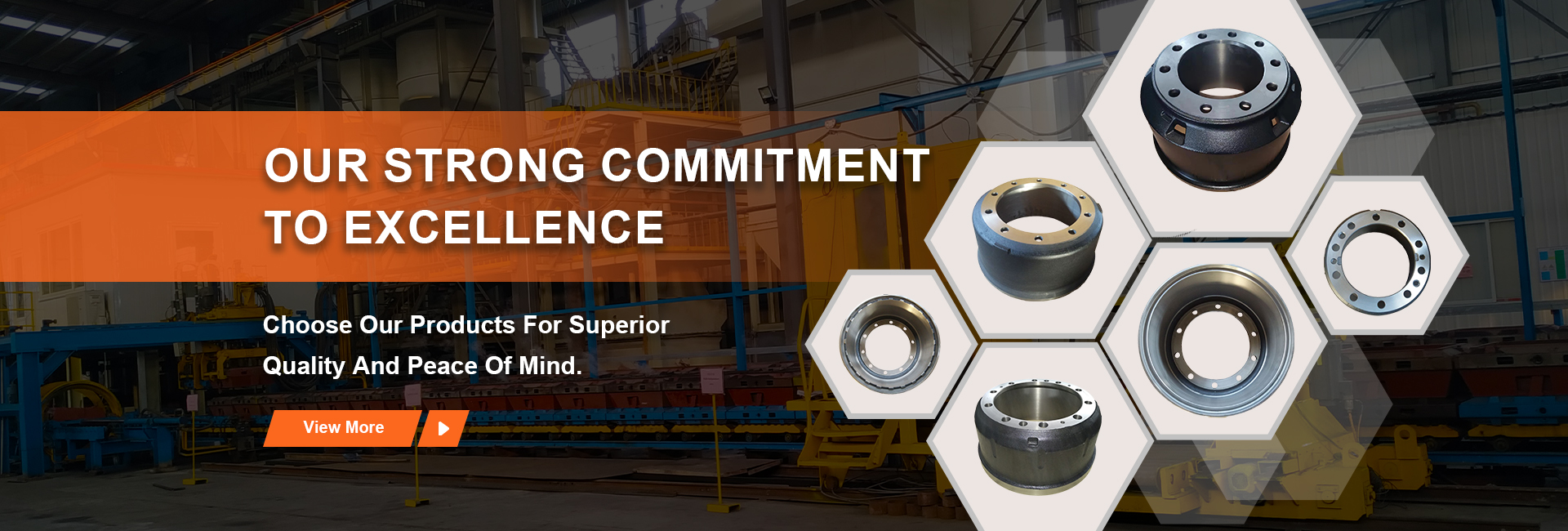
Rear drum brake service encompasses the inspection, repair, and replacement of components within the rear drum braking system of a vehicle. This system, prevalent in older vehicle designs and frequently utilized on rear axles to reduce cost and complexity, relies on friction generated between brake shoes and a rotating drum to decelerate the vehicle. Effective maintenance is critical for ensuring vehicle safety, preventing costly repairs, and maximizing braking performance. Degradation of brake shoes, drum scoring, and hydraulic system failures represent key pain points in the industry. Understanding the interplay of material science, hydraulic principles, and proper mechanical procedures is paramount for technicians performing these services. This guide provides a comprehensive overview of rear drum brake service, addressing material properties, manufacturing considerations, performance characteristics, potential failure modes, and relevant industry standards.
Material Science & Manufacturing
The core materials within a rear drum brake system are cast iron (for the drum), steel (for the backing plate and various hardware), and a composite material containing asbestos or, more commonly in modern applications, non-asbestos organic (NAO) fibers, semi-metallic compounds, or ceramic materials (for the brake shoes). Cast iron drums are manufactured through sand casting, followed by machining to achieve precise dimensions and surface finish. The microstructure of the cast iron, specifically the graphite flake distribution, significantly impacts its thermal conductivity and wear resistance. Steel components are typically produced through stamping or forging, followed by heat treatment to enhance strength and durability. Brake shoes are manufactured via a compression molding process, where the friction material is bonded to the steel shoe core under high pressure and temperature. The friction material's composition dictates its coefficient of friction, fade resistance, and wear rate. Parameter control during friction material manufacturing, including resin content, fiber orientation, and curing temperature, are crucial. Hydraulic cylinders utilize steel alloys selected for corrosion resistance and high-pressure containment. Brake fluid compatibility with cylinder seals (typically nitrile rubber or fluoroelastomers) is a critical manufacturing consideration to prevent swelling or degradation. The backing plate material requires appropriate gauge to withstand the dynamic loading during braking, typically manufactured through cold-rolled steel processing.
Performance & Engineering
The performance of a rear drum brake system is fundamentally governed by the principles of friction and heat dissipation. Force analysis reveals that braking force is proportional to the coefficient of friction and the normal force applied by the brake shoes against the drum. The lever action of the wheel cylinder translates hydraulic pressure into mechanical force, pressing the shoes outward. Environmental factors, particularly moisture and temperature, significantly impact braking performance. Moisture reduces the coefficient of friction and can lead to corrosion. High temperatures can cause brake fade, a reduction in braking force due to the loss of friction material effectiveness. Engineering considerations include drum heat capacity, ventilation (through fin design or drum material selection), and shoe material fade characteristics. Compliance requirements necessitate adherence to performance standards such as stopping distances and brake force distribution ratios. The rear brake bias must be carefully engineered to avoid wheel lockup during emergency braking. Furthermore, the system must withstand cyclic loading and vibration without premature failure. Drum eccentricity and runout are critical parameters to monitor, as excessive values can lead to noise, vibration, and uneven wear. Proper spring tension and adjuster mechanism functionality are crucial for maintaining consistent contact between the shoes and drum.
Technical Specifications
| Parameter | Unit | Typical Value (Passenger Vehicle) | Tolerance |
|---|---|---|---|
| Drum Inner Diameter | mm | 203 | ±0.5 |
| Drum Width | mm | 50 | ±0.2 |
| Brake Shoe Friction Material Thickness (New) | mm | 4 | ±0.2 |
| Wheel Cylinder Bore Diameter | mm | 19.05 | ±0.1 |
| Brake Fluid Type | - | DOT 3 | DOT 3 or DOT 4 (Compatibility Required) |
| Maximum Drum Runout | mm | 0.08 | ±0.01 |
Failure Mode & Maintenance
Common failure modes in rear drum brake systems include brake shoe wear, drum scoring, wheel cylinder leaks, and spring failures. Brake shoe wear occurs due to friction and is exacerbated by abrasive contaminants. Drum scoring results from debris trapped between the shoes and drum, creating grooves and reducing braking efficiency. Wheel cylinder leaks can be caused by seal degradation or corrosion, leading to hydraulic pressure loss. Spring failures disrupt the shoe-to-drum contact, resulting in reduced braking force. Fatigue cracking in the drum material can occur due to thermal stress and cyclic loading. Corrosion, particularly in humid environments, can affect all components. Maintenance procedures include regular inspection of brake shoe thickness, drum surface condition, wheel cylinder functionality, and brake fluid level. Periodic cleaning of the drum interior and lubrication of moving parts are essential. Brake shoe replacement is necessary when the friction material reaches its minimum safe thickness. Drum resurfacing or replacement may be required if scoring is excessive. Wheel cylinder replacement is necessary if leaks are detected. Proper bleeding of the brake system is critical after any hydraulic component replacement. Preventative maintenance also involves periodic checks of the parking brake cable and adjuster mechanism.
Industry FAQ
Q: What are the primary indicators that brake shoes need replacing?
A: The primary indicators include friction material thickness reaching the manufacturer's minimum specification (typically 1.5mm or 3/64 inch), visible cracking or delamination of the friction material, and unusual noises (squealing or grinding) during braking. Visual inspection during disassembly is the most reliable method.
Q: How do I diagnose a leaking wheel cylinder?
A: A leaking wheel cylinder typically presents as brake fluid visible around the cylinder body or on the brake shoes themselves. A low brake fluid reservoir level without any external leaks elsewhere in the system is another indicator. A pressure test of the brake lines can pinpoint the leak location.
Q: What causes drum scoring and how can it be prevented?
A: Drum scoring is caused by abrasive particles (dirt, rust, debris) becoming trapped between the brake shoes and the drum. Prevention involves regular cleaning of the drum interior, ensuring proper sealing of the brake system to prevent moisture ingress, and using high-quality brake shoes with durable friction materials.
Q: What is the importance of proper brake bleeding?
A: Proper brake bleeding is essential to remove air from the hydraulic lines, ensuring optimal braking performance. Air in the system reduces braking force and can lead to a spongy brake pedal feel. Incorrect bleeding can also introduce new contaminants into the system.
Q: What is the role of the self-adjuster mechanism in a drum brake system?
A: The self-adjuster mechanism automatically compensates for brake shoe wear, maintaining proper contact between the shoes and the drum. It prevents the brake pedal from traveling excessively and ensures consistent braking force. Failure of the self-adjuster can result in reduced braking efficiency and increased stopping distances.
Conclusion
Rear drum brake service demands a thorough understanding of materials science, hydraulic systems, and mechanical principles. Effective maintenance relies on meticulous inspection, precise component replacement, and adherence to established industry standards. Ignoring warning signs, such as unusual noises or reduced braking performance, can compromise vehicle safety and lead to more extensive and costly repairs. The long-term reliability and effectiveness of a rear drum brake system are directly proportional to the quality of the service performed and the use of appropriate replacement parts.
Looking forward, while disc brake systems are increasingly prevalent, drum brakes will remain relevant for specific applications due to their lower cost and inherent parking brake integration capabilities. Continued advancements in friction material technology will improve the performance and longevity of drum brake systems. Regular preventative maintenance, coupled with careful attention to detail, remains the cornerstone of safe and reliable rear drum brake operation.