

Introduction
Rear brake drum removal is a critical maintenance procedure in automotive engineering, impacting vehicle safety and braking performance. This guide details the processes, material considerations, and potential pitfalls associated with removing rear brake drums, targeting professional automotive technicians and experienced DIY mechanics. The rear brake drum, a foundational component of drum braking systems, provides a housing for brake shoes and serves as a surface for friction, ultimately decelerating the vehicle. Its removal is necessary for brake shoe replacement, inspection of backing plates, and addressing issues like wheel cylinder leaks or bearing failure. Understanding the variations in drum attachment methods – including bolted, self-adjusting, and floating designs – is paramount. Proper removal minimizes damage to surrounding components and ensures efficient brake system restoration. This document will cover the material science of brake drums, removal procedures, potential challenges, and necessary safety precautions.
Material Science & Manufacturing
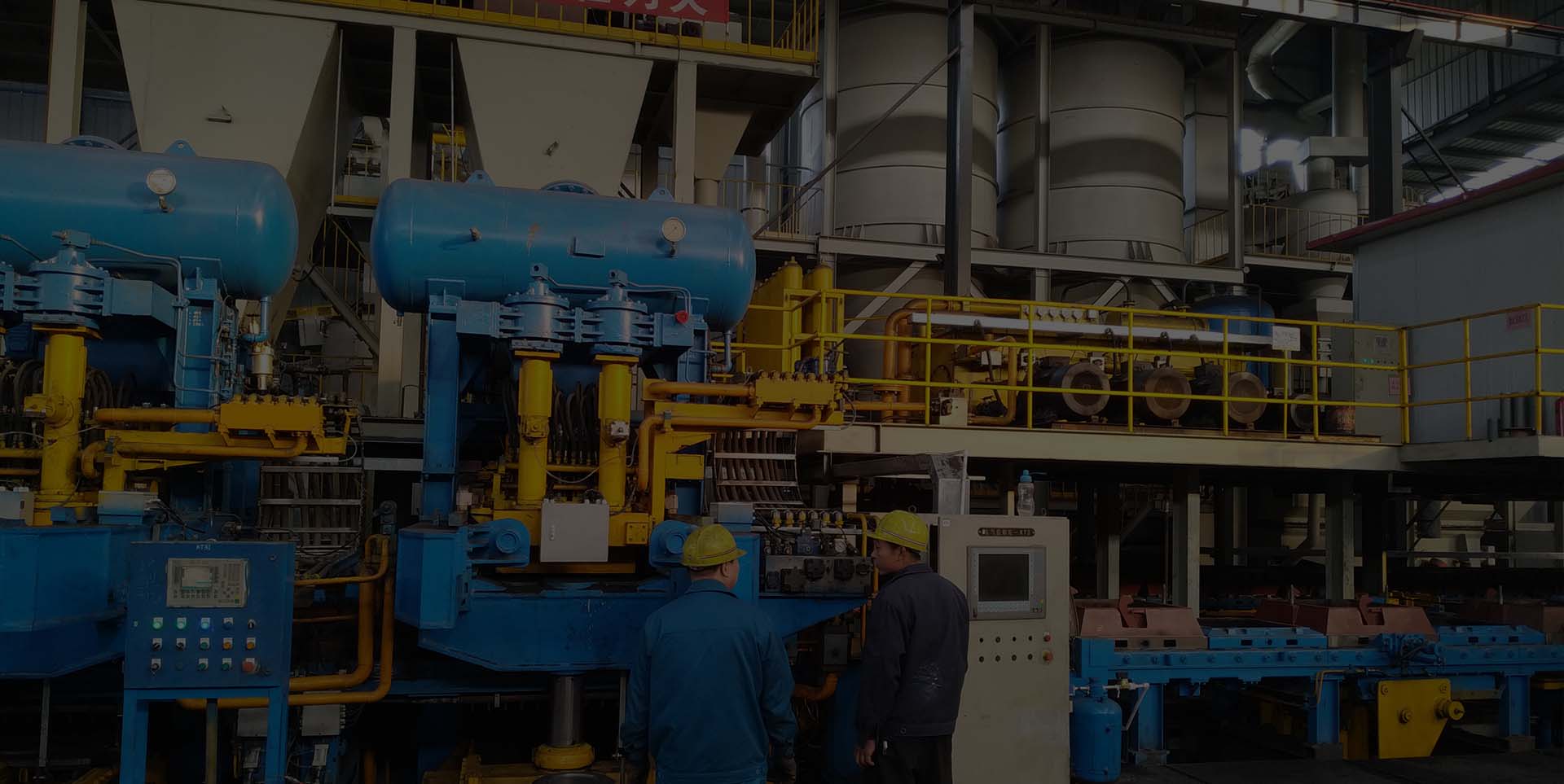
Rear brake drums are predominantly manufactured from grey cast iron due to its excellent wear resistance, heat capacity, and relatively low cost. The composition typically includes iron (Fe), carbon (C) ranging from 2.0% to 4.0%, silicon (Si) contributing to fluidity during casting (1.8% to 3.2%), manganese (Mn) enhancing strength (0.6% to 1.2%), sulfur (S) influencing machinability (0.08% to 0.2%), and phosphorus (P) affecting strength and fluidity (0.03% to 0.15%). Modern drums may incorporate nodular cast iron, offering superior tensile strength and ductility, albeit at a higher manufacturing cost. The manufacturing process primarily utilizes sand casting, allowing for complex geometries and efficient production. Critical parameters during casting include mold temperature, pouring rate, and cooling rate, directly impacting the microstructure and mechanical properties. After casting, drums undergo machining processes – turning, milling, and grinding – to achieve precise dimensions and surface finish. Heat treatment, such as annealing or quenching and tempering, may be employed to relieve residual stresses and optimize hardness. Surface treatments like phosphate coating or electroplating are applied to enhance corrosion resistance. Recent advancements include composite brake drums utilizing materials like carbon fiber reinforced polymers for weight reduction, but these remain specialized applications due to cost and durability considerations. Drum surface defects like porosity, inclusions, and shrinkage cavities significantly impact performance and lifespan and are carefully monitored during quality control.
Performance & Engineering
The performance of a rear brake drum is intrinsically linked to its ability to dissipate heat generated during braking. Heat capacity and thermal conductivity are crucial properties. Excessive heat leads to brake fade, a reduction in braking effectiveness caused by the degradation of friction material and the expansion of metal components. Engineering analysis focuses on stress distribution within the drum under braking loads. Finite element analysis (FEA) is employed to predict stress concentrations and optimize drum geometry for maximum strength and minimal weight. The drum must withstand significant centrifugal forces during operation, particularly at high speeds. The drum's dimensional stability is critical; excessive wear or deformation can lead to brake noise, vibration, and reduced braking efficiency. Compliance with regulatory standards, such as FMVSS 105 in the United States, dictates minimum performance requirements for brake systems, including drum braking systems. The design must accommodate the expansion of the drum due to heat. Floating drum designs allow for thermal expansion without inducing excessive stress. The interaction between the brake shoes, drum surface, and wheel cylinder is precisely engineered to maximize friction and minimize wear. Brake shoe contact area and drum surface roughness are key parameters. Improperly adjusted brakes or worn shoes can lead to uneven wear and reduced braking performance. Furthermore, the drum must be compatible with the brake fluid used in the system, preventing corrosion and maintaining optimal hydraulic performance.
Technical Specifications
| Drum Diameter (in) | Drum Width (in) | Material | Minimum Wall Thickness (in) | Maximum Runout (in) | Tensile Strength (PSI) |
|---|---|---|---|---|---|
| 10.0 | 2.0 | Grey Cast Iron | 0.25 | 0.002 | 30,000 |
| 11.0 | 2.5 | Grey Cast Iron | 0.30 | 0.003 | 35,000 |
| 12.0 | 3.0 | Nodular Cast Iron | 0.35 | 0.0025 | 60,000 |
| 9.0 | 1.75 | Grey Cast Iron | 0.22 | 0.002 | 28,000 |
| 10.5 | 2.25 | Grey Cast Iron | 0.27 | 0.0025 | 32,000 |
| 11.5 | 2.75 | Nodular Cast Iron | 0.32 | 0.003 | 55,000 |
Failure Mode & Maintenance
Rear brake drums are susceptible to several failure modes. Fatigue cracking can occur due to repeated stress cycles during braking, particularly around keyholes and bolt holes. Thermal cracking results from rapid temperature fluctuations, causing surface cracks. Corrosion, especially in environments with high salt exposure, leads to material degradation and reduced strength. Spalling, the chipping or flaking of surface material, is often caused by impact or localized stress. Eccentricity, or ovality, develops due to uneven wear and can cause brake pulsations. Delamination, the separation of layers within the drum, is more common in composite drums. Proper maintenance is crucial for extending drum lifespan. Regular inspections should identify cracks, corrosion, and excessive wear. The drum surface should be cleaned periodically to remove brake dust and debris. Wheel bearings should be properly lubricated to prevent overheating and potential drum damage. Brake shoes should be inspected and replaced as needed to prevent uneven wear. When resurfacing drums, the minimum allowable thickness must be maintained to ensure adequate strength and heat capacity. If a drum is severely damaged or worn, it should be replaced entirely. Correct torque specifications during reinstallation are essential to prevent distortion and ensure proper function. Ignoring warning signs such as squealing noises or brake pulsations can lead to catastrophic failure and compromise vehicle safety.
Industry FAQ
Q: What are the primary causes of brake drum runout and how can it be corrected?
A: Brake drum runout is primarily caused by uneven wear, hub distortion, or improper seating of the drum on the hub. It can also result from damaged wheel studs or a warped brake backing plate. Correction involves inspecting the hub for damage and correcting any distortions. Resurfacing the drum can address minor runout. If the runout exceeds the manufacturer's specifications after resurfacing, the drum must be replaced. Ensuring proper torqueing of lug nuts is also crucial.
Q: What is the significance of the drum's material composition, specifically the difference between grey cast iron and nodular cast iron?
A: Grey cast iron is cost-effective and provides good wear resistance and heat capacity, making it suitable for standard brake drums. However, it has relatively low tensile strength. Nodular cast iron, with its superior tensile strength and ductility, is used in high-performance applications where greater durability and resistance to cracking are required. It can withstand higher stresses and thermal loads.
Q: How does brake fluid contamination affect the longevity of a brake drum?
A: Contaminated brake fluid can accelerate corrosion within the brake system, including the brake drum. Moisture absorption is a primary concern, leading to rust formation and pitting on the drum's surface. This reduces the drum’s structural integrity and can cause uneven wear. Regular brake fluid flushes are essential for preventing contamination and maintaining optimal system performance.
Q: What are the critical safety precautions to observe during rear brake drum removal?
A: Safety precautions include wearing appropriate personal protective equipment (PPE) such as gloves and safety glasses. Ensure the vehicle is securely supported on jack stands before commencing work. Disconnect the parking brake and chock the wheels. Be mindful of potential hazards associated with brake dust, which may contain asbestos (in older vehicles). Use appropriate tools and techniques to avoid damaging surrounding components.
Q: What is the acceptable level of taper or thickness variation in a brake drum before replacement is required?
A: The acceptable level of taper or thickness variation is specified by the vehicle manufacturer. Generally, exceeding the manufacturer's maximum allowed thickness variation necessitates drum replacement. A maximum taper of 0.008 inches is a common limit, but consult the service manual for precise specifications. Insufficient material can compromise braking performance and structural integrity.
Conclusion
The successful removal and maintenance of rear brake drums hinges on a thorough understanding of material science, manufacturing processes, and performance engineering principles. Grey cast iron remains the predominant material due to its cost-effectiveness and adequate performance characteristics, while nodular cast iron offers enhanced durability for demanding applications. Regular inspection, proper maintenance procedures, and adherence to manufacturer specifications are critical for ensuring optimal braking performance and preventing premature failure. Failure modes range from fatigue cracking and thermal distortion to corrosion and excessive wear, all of which can compromise vehicle safety.
Future advancements in brake drum technology may focus on lightweight materials such as composite alloys and innovative designs that improve heat dissipation. The integration of sensor technologies for real-time monitoring of drum temperature and wear could further enhance braking system reliability and performance. Furthermore, sustainable manufacturing processes and environmentally friendly materials will become increasingly important considerations in the evolution of brake drum technology. Effective brake drum maintenance remains a cornerstone of vehicle safety, demanding continuous professional development and adherence to industry best practices.