
Introduction
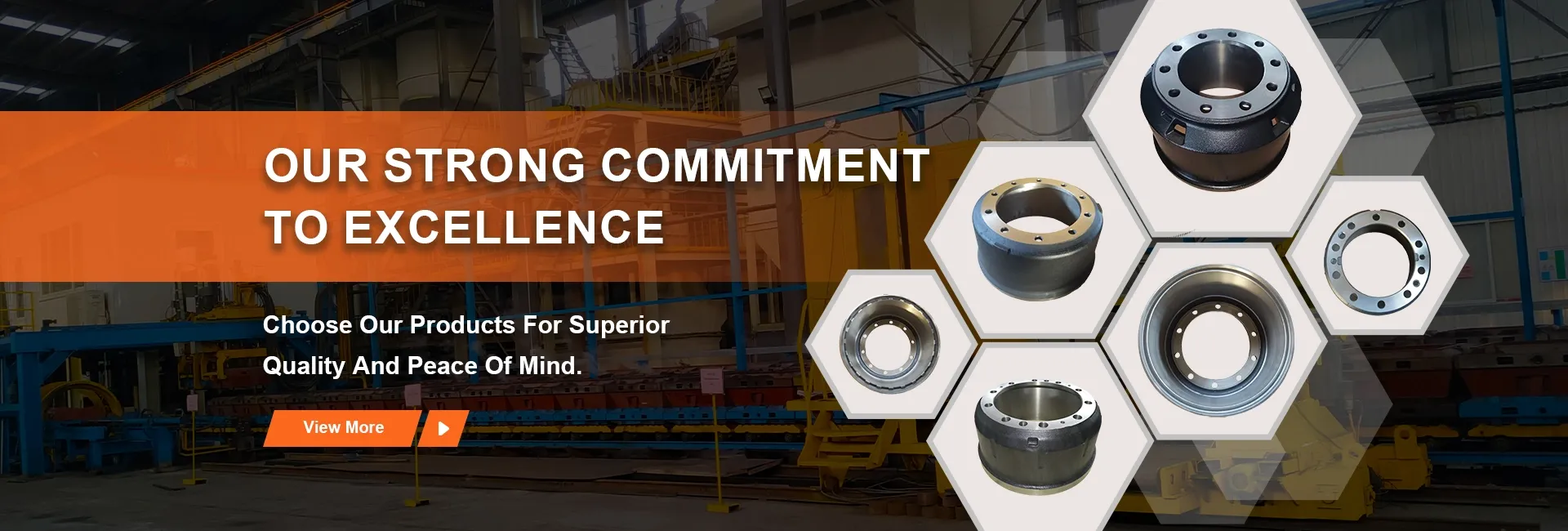
Paint drum brakes represent a critical component in braking systems across a diverse range of industrial applications, particularly in equipment exposed to corrosive environments. Unlike conventional cast iron or steel drum brakes, paint drum brakes utilize a drum constructed with a steel core and a specialized coating, often epoxy-based, designed to resist chemical attack and environmental degradation. Their primary technical position lies as a cost-effective alternative to more exotic materials like stainless steel, offering enhanced durability in applications involving paints, coatings, and aggressive industrial fluids. Core performance characteristics center around maintaining consistent friction coefficient, preventing corrosion-induced dimensional changes, and ensuring long-term operational reliability despite exposure to harsh media. The efficacy of a paint drum brake hinges on the integrity of the coating, its adhesion to the steel substrate, and its resistance to abrasion from brake shoe contact.
Material Science & Manufacturing
The core material for paint drum brakes is typically carbon steel (AISI 1045 or equivalent) chosen for its high strength and machinability. The coating, however, is where material science becomes paramount. Common coating materials include epoxy resins, polyurethane coatings, and fluoropolymer paints. Epoxy resins offer excellent chemical resistance to a broad spectrum of chemicals and are relatively inexpensive. Polyurethane provides enhanced abrasion resistance, critical for prolonged brake operation. Fluoropolymers (e.g., PTFE) provide exceptional chemical inertness, but are more expensive and can present adhesion challenges. Manufacturing involves several key steps: steel drum forging or casting, surface preparation (grit blasting to SA2.5 standard to achieve a surface profile of 2.5 mils), coating application (typically spray application in multiple layers to achieve specified film thickness – 8-12 mils per coat), and curing (temperature and time-controlled oven curing to ensure complete crosslinking of the polymer). Parameter control during coating application, particularly viscosity, temperature, and humidity, is crucial to avoid defects like pinholes, blisters, and uneven coating thickness. Quality control incorporates coating thickness measurement (using magnetic gauges), adhesion testing (ASTM D4541 pull-off test), and salt spray testing (ASTM B117) to verify corrosion resistance.

Performance & Engineering
The performance of paint drum brakes is intrinsically linked to the friction interface between the drum surface and the brake shoes. Force analysis requires considering the radial pressure exerted by the brake shoes, the friction coefficient (μ) between the coating and shoe material (typically non-asbestos organic or semi-metallic compounds), and the drum's rotational inertia. Environmental resistance is a key engineering consideration. The coating must withstand repeated thermal cycling (heating during braking, cooling during idle periods) without cracking or delamination. Coefficient of thermal expansion (CTE) mismatch between the steel drum and the coating material is a significant stressor. Compliance requirements often dictate adherence to specific standards depending on the application. For example, equipment used in paint spraying booths may require compliance with NFPA 33 standards regarding electrical classification and corrosion protection. Functional implementation necessitates precise machining of the drum surface to ensure concentricity and smooth running, minimizing vibration and noise. Furthermore, the coating thickness must be uniform to ensure consistent braking performance. Finite element analysis (FEA) is often employed to model stress distribution within the drum during braking events, optimizing coating thickness and drum geometry for maximum lifespan and performance.
Technical Specifications
| Drum Diameter (in) | Drum Width (in) | Coating Type | Coating Thickness (mils) |
|---|---|---|---|
| 8 | 4 | Epoxy | 30-40 |
| 10 | 6 | Polyurethane | 40-50 |
| 12 | 8 | Epoxy-Polyurethane Blend | 45-55 |
| 14 | 10 | Fluoropolymer | 60-80 |
| 16 | 12 | Epoxy | 30-40 |
| 20 | 16 | Polyurethane | 40-50 |
Failure Mode & Maintenance
Paint drum brakes are susceptible to several failure modes. Coating delamination is a primary concern, often initiated by impact damage, corrosion creep under the coating, or inadequate surface preparation during manufacturing. Coating abrasion, caused by continuous contact with the brake shoes, leads to thinning of the coating and eventual exposure of the steel substrate, accelerating corrosion. Rust jacking, where corrosion products accumulate beneath the coating, causes blistering and detachment. Fatigue cracking can occur in the steel drum itself, particularly at stress concentration points (e.g., keyways, mounting holes). Oxidation of the steel substrate, if the coating is breached, further exacerbates the degradation process. Maintenance involves regular inspection for coating damage (visual inspection and non-destructive testing – NDT – such as ultrasonic testing for coating thickness), cleaning to remove accumulated debris and contaminants, and re-coating damaged areas promptly. Preventive maintenance should include lubrication of the brake shoe pivot points and adjustment of the braking mechanism to maintain optimal contact pressure. Complete drum replacement is necessary if significant corrosion or cracking is detected in the steel drum itself.
Industry FAQ
Q: What is the expected lifespan of a paint drum brake in a high-humidity environment with exposure to acrylic paints?
A: The expected lifespan is highly dependent on the coating type and thickness. An epoxy coating, properly applied at 40 mils, may provide 3-5 years of service in a high-humidity environment with acrylic paint exposure, assuming regular inspection and maintenance. Polyurethane coatings offer potentially longer life (5-7 years) due to their superior abrasion resistance, but are more susceptible to UV degradation if exposed to direct sunlight. Monitoring coating thickness and adhesion is crucial.
Q: How does the coefficient of friction of a paint drum brake compare to a traditional cast iron drum brake?
A: The coefficient of friction is generally lower for paint drum brakes, typically ranging from 0.25 to 0.35, compared to 0.35 to 0.45 for cast iron. This requires adjustments to the braking system's design to achieve comparable stopping power, often involving increased brake shoe contact area or higher hydraulic pressure.
Q: What surface preparation techniques are essential for optimal coating adhesion?
A: Grit blasting to a SA2.5 standard is critical. This creates a rough surface profile that provides mechanical interlocking for the coating. Thorough cleaning to remove all traces of oil, grease, and dust is equally important. A phosphate conversion coating can further enhance adhesion, particularly for steel substrates.
Q: Can a paint drum brake be repaired if the coating is locally damaged, or must the entire drum be replaced?
A: Localized coating damage can often be repaired, provided the damage does not extend to the steel substrate. The damaged area must be thoroughly cleaned, primed, and re-coated with a compatible coating material. However, if corrosion has reached the steel, or the damage is extensive, complete drum replacement is the recommended course of action.
Q: What testing methods are used to verify the quality and durability of the coating?
A: Common testing methods include coating thickness measurement (magnetic gauges), adhesion testing (ASTM D4541 pull-off test), salt spray testing (ASTM B117 for corrosion resistance), and cross-cut tape testing (ASTM D3359 for adhesion). Impact resistance is assessed using a Gardner impact tester. Flexibility testing is performed to evaluate the coating's ability to withstand deformation without cracking.
Conclusion
Paint drum brakes offer a viable solution for braking applications demanding corrosion resistance and cost-effectiveness. Their performance relies heavily on meticulous material selection, stringent manufacturing processes, and regular maintenance to prevent coating failure. The optimal coating material—epoxy, polyurethane, or fluoropolymer—is dictated by the specific chemical environment and abrasion levels encountered in the application.
Future development trends focus on incorporating nanotechnology to enhance coating hardness, abrasion resistance, and self-healing capabilities. Furthermore, advancements in surface pre-treatment techniques and environmentally friendly coating formulations are poised to extend the service life and reduce the environmental impact of paint drum brakes. Continuous monitoring of coating integrity through advanced NDT methods will be crucial for maximizing operational safety and minimizing downtime.