
Introduction
Drum brakes, while increasingly superseded by disc brake systems in front axle applications, remain a common component in the rear suspension of many Nissan Sentra models. This technical guide details the complete procedure for replacing rear drum brakes on a Nissan Sentra, focusing on best practices for safety, component inspection, and long-term reliability. The procedure encompasses the removal of the wheel, brake drum, shoes, hardware, and the subsequent installation of new components, culminating in a thorough brake system bleed. Understanding the nuances of drum brake mechanics is crucial for maintaining optimal stopping performance and preventing potential safety hazards related to brake fade, uneven wear, or complete failure. This guide will address common pain points such as seized adjusting mechanisms, rusted hardware, and the proper application of brake shoe bonding adhesive. The scope of this guide covers models from 2013-2020, although many principles apply across various Sentra generations.
Material Science & Manufacturing
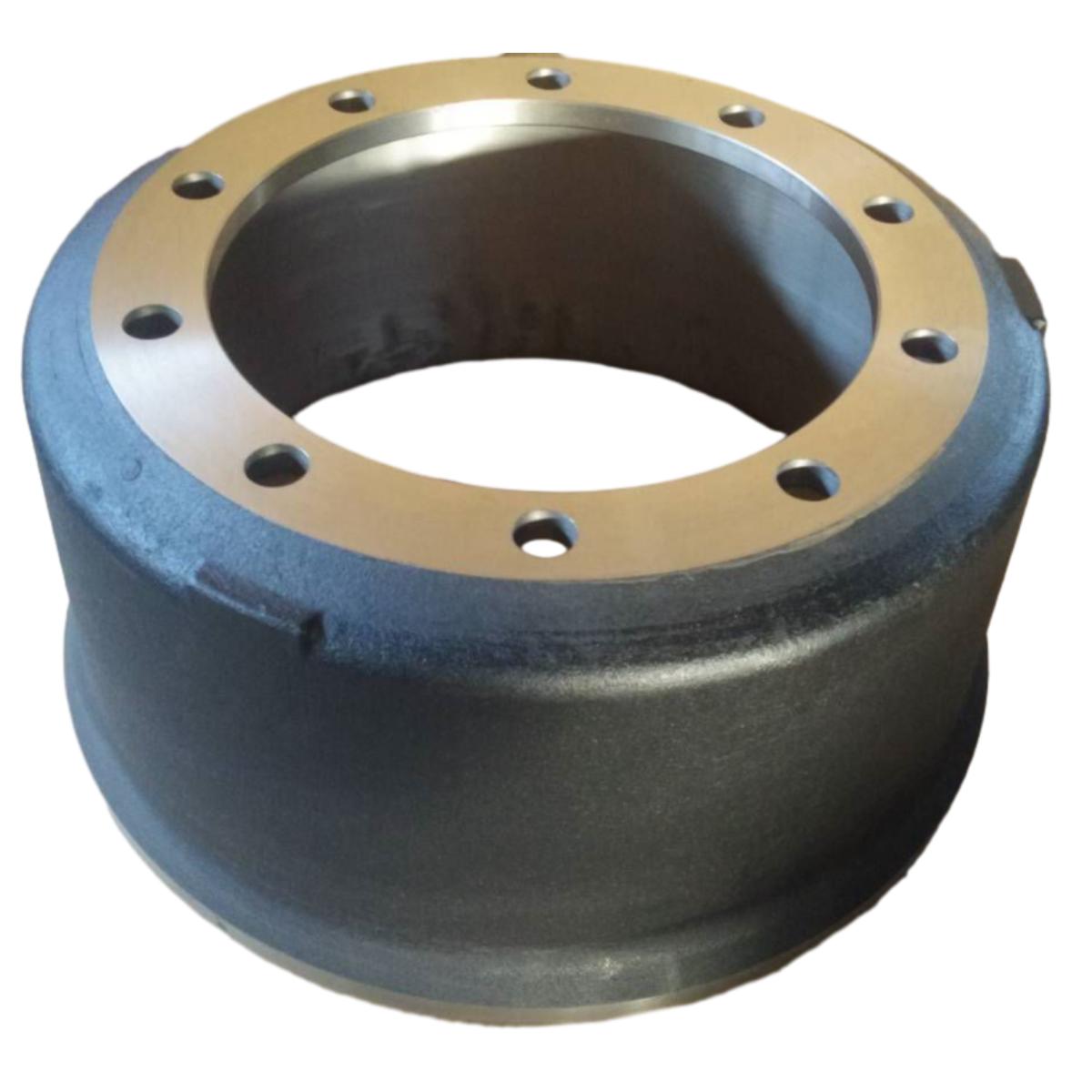
The core components of a Nissan Sentra drum brake system – the drum itself, brake shoes, and backing plates – are each constructed from specific materials chosen for their durability, friction characteristics, and thermal properties. Brake drums are typically constructed from gray cast iron (ASTM A48 Class 30) due to its excellent heat capacity and wear resistance. The casting process involves pouring molten iron into a mold, followed by cooling and machining to achieve precise dimensions and a smooth braking surface. Surface finish is critical; excessive roughness can induce premature shoe wear. Brake shoes utilize a composite material consisting of a steel core bonded to friction material. The friction material commonly consists of organic compounds, semi-metallic materials (iron powder, copper fibers), or ceramic fibers, all bound together with phenolic resin. The manufacturing of brake shoes involves molding the friction material onto the steel core under high pressure and temperature. Backing plates are generally manufactured from stamped steel (SAE 1008/1010 carbon steel), providing structural support for the brake shoes and mounting points. Rust prevention is paramount, with most components receiving a zinc phosphate coating followed by a paint or powder coat finish. The quality of the bonding agent between the friction material and steel core significantly influences brake performance and resistance to delamination.
Performance & Engineering
The performance of a drum brake system is dictated by the frictional force generated between the brake shoes and the inner surface of the drum. This force is directly proportional to the normal force exerted by the wheel cylinder and the coefficient of friction of the brake shoe material. Engineering calculations focus on optimizing this frictional force to achieve desired stopping distances and prevent brake fade. Thermal analysis is crucial; excessive braking can lead to heat buildup, reducing the coefficient of friction and potentially causing brake fade due to the vaporization of hydraulic fluid and/or friction material degradation. The self-energizing effect of drum brakes, where the rotation of the drum assists in applying the shoes, increases braking force but also introduces a tendency for grabby behavior if not properly engineered. The design of the brake shoes, including their curvature and facing width, influences the contact area and thus the braking force. Proper spring tension and the accurate adjustment of the brake shoe gap are critical for ensuring even wear and efficient braking. Compliance with FMVSS 105 (Federal Motor Vehicle Safety Standard 105) regarding brake performance is essential, requiring a minimum deceleration rate and consistent stopping distance under defined conditions.
Technical Specifications
| Component | Material | Typical Dimensions (Rear - 2016 Sentra) | Hardness/Tensile Strength |
|---|---|---|---|
| Brake Drum | Gray Cast Iron (ASTM A48 Class 30) | Diameter: 203mm, Width: 40mm | Brinell Hardness: 180-240 HB |
| Brake Shoes | Steel Core with Organic/Semi-Metallic Friction Material | Length: 220mm, Width: 38mm, Thickness: 7mm | Friction Material Tensile Strength: 20-30 MPa |
| Backing Plate | Stamped Steel (SAE 1008/1010) | Length: 250mm, Width: 80mm, Thickness: 2mm | Tensile Strength: 310-410 MPa |
| Wheel Cylinder | Cast Iron / Steel | Bore Diameter: 19.05mm | Tensile Strength (Steel Components): >550 MPa |
| Brake Spring Kit | Spring Steel (SAE 675) | Various dimensions depending on component | Tensile Strength: >800 MPa |
| Adjusting Screw | Steel (Grade 5) | Thread Pitch: 1.5mm | Tensile Strength: 830 MPa |
Failure Mode & Maintenance
Drum brake systems are susceptible to several failure modes. A common issue is brake shoe delamination, caused by the separation of the friction material from the steel core due to heat, moisture, or manufacturing defects. This is often preceded by a noticeable squealing sound. Another frequent failure is wheel cylinder leakage, resulting in a loss of hydraulic pressure and reduced braking force. Leakage can stem from corroded seals or damaged cylinder bores. Excessive drum wear, characterized by a reduction in drum thickness below the minimum specification (typically stamped on the drum itself), compromises braking performance and structural integrity. Rust and corrosion, particularly in humid environments, can seize the adjusting mechanism, leading to uneven brake wear and reduced efficiency. Contamination of the brake shoes with oil or grease significantly reduces the coefficient of friction. Preventative maintenance includes regular inspection of brake shoe thickness, drum runout, and wheel cylinder condition. Periodic cleaning and lubrication of the adjusting mechanism are also essential. Brake fluid should be flushed and replaced every 2-3 years to prevent corrosion and maintain optimal hydraulic performance. Addressing any signs of squealing, grinding, or pulsating brakes promptly is crucial to avoid more serious and costly repairs.
Industry FAQ
Q: What is the acceptable range of drum runout, and how is it measured?
A: Acceptable drum runout should not exceed 0.05mm (0.002 inches). It’s measured using a dial indicator mounted to a fixed point on the suspension, while slowly rotating the drum. Excessive runout indicates drum warping or bearing issues, requiring drum replacement or hub inspection.
Q: What is the proper procedure for adjusting the brake shoes after installation?
A: After installation, the brake shoes should be adjusted until there’s a slight drag when rotating the drum. This is typically done by turning the adjusting screw until it contacts the star wheel and then backing it off a few notches. The correct adjustment ensures optimal braking force without excessive wear.
Q: How can I diagnose a seized wheel cylinder?
A: A seized wheel cylinder often presents with uneven brake wear, pulling to one side during braking, or a spongy brake pedal. Visually inspect for fluid leaks around the cylinder. Attempt to retract the pistons; resistance indicates a seized cylinder requiring replacement.
Q: What type of brake fluid is compatible with Nissan Sentra drum brake systems?
A: Nissan Sentra drum brake systems require DOT 3 or DOT 4 brake fluid, meeting or exceeding FMVSS 116 standards. Using the incorrect fluid type can lead to corrosion and component failure. Always refer to the vehicle's owner's manual for specific recommendations.
Q: What precautions should be taken when working with asbestos-containing brake materials (if applicable in older models)?
A: While modern brake shoes generally do not contain asbestos, older models may. If handling older components, assume asbestos presence. Wear a respirator, gloves, and eye protection. Avoid creating dust and dispose of materials according to local environmental regulations.
Conclusion
Replacing drum brakes on a Nissan Sentra requires a meticulous approach, encompassing a thorough understanding of the system’s components, materials, and performance characteristics. Proper execution of this procedure is vital for maintaining vehicle safety and preventing premature component failure. The careful inspection of all hardware, accurate adjustment of brake shoes, and a complete brake system bleed are all critical steps in ensuring optimal braking performance.
Continued preventative maintenance, including regular brake inspections and fluid changes, will significantly extend the lifespan of the brake system and maintain its effectiveness. Adherence to industry standards and safety precautions is paramount throughout the entire process. Future advancements in brake technology may further refine drum brake designs or accelerate the transition towards fully disc brake systems, but the fundamental principles outlined in this guide will remain relevant for years to come.