
Introduction
Drum brake systems, while less common in modern vehicles, remain prevalent in the rear axle configurations of many Jeep Wranglers, particularly older models. This guide provides a comprehensive, technically detailed procedure for the replacement of these drum brake assemblies. The Jeep Wrangler's solid rear axle and often demanding off-road usage necessitate a robust and reliable braking system. Maintaining this system requires understanding the specific components, their material properties, potential failure modes, and adherence to stringent torque specifications. This procedure details the complete disassembly, inspection, component replacement, and reassembly of the rear drum brake system, emphasizing critical safety considerations and best practices for long-term performance. The Jeep Wrangler’s design, incorporating floating axles and specific drum sizes depending on model year, influences the process and requires tailored techniques for successful implementation. Proper drum brake maintenance ensures consistent stopping power and contributes significantly to overall vehicle safety.
Material Science & Manufacturing
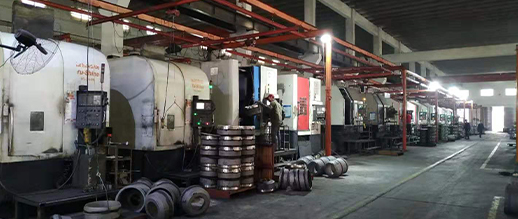
The core components of a Jeep Wrangler drum brake system are manufactured from specific materials chosen for their durability and frictional properties. The brake drums themselves are typically constructed from gray cast iron (ASTM A48 Class 30), prized for its high thermal conductivity, wear resistance, and ability to dissipate heat generated during braking. The shoes utilize friction materials bonded to steel backing plates. These friction materials are typically a composite of organic materials, semi-metallic compounds (containing iron, copper, and other alloys), or ceramic materials, each offering varying levels of friction coefficient, heat resistance, and fade resistance. Springs, including coil springs and leaf springs, are manufactured from high-carbon spring steel (SAE 675 or equivalent) to provide the necessary force for shoe-to-drum contact. Wheel cylinders, responsible for hydraulically actuating the brake shoes, are generally composed of ductile iron for strength and corrosion resistance, with internal surfaces hardened to withstand piston travel. The manufacturing processes include casting for the drums and wheel cylinders, stamping and forming for the backing plates and springs, and a bonding process for applying the friction material to the shoes. Critical parameters in manufacturing include precise drum diameter and out-of-roundness tolerances, consistent friction material density and bonding strength, and accurate spring dimensions to ensure uniform braking force distribution. Any deviations from these parameters can lead to premature wear, reduced braking performance, and potential safety hazards.

Performance & Engineering
The performance of a Jeep Wrangler’s drum brake system is critically dependent on several engineering factors. Force analysis dictates that the braking force is a product of the shoe-drum friction coefficient and the normal force applied by the wheel cylinder. The lever arm formed by the brake shoe’s pivot point and contact surface with the drum amplifies this force. Environmental resistance is crucial; corrosion from road salts and moisture can significantly degrade the system’s components, particularly the wheel cylinders and springs. Therefore, protective coatings (zinc plating, powder coating) are commonly applied. Compliance with Federal Motor Vehicle Safety Standard (FMVSS) 105 and 116 is mandatory, governing brake performance and durability requirements. Specifically, these standards dictate stopping distances, brake fade resistance, and parking brake effectiveness. The Jeep Wrangler's potential for off-road usage introduces additional stresses on the brake system. Impacts from rocks or debris can damage the brake drums and wheel cylinders. Mud and water ingress can reduce braking efficiency. Furthermore, prolonged downhill braking can lead to excessive heat buildup and brake fade. Properly functioning adjusters are vital to maintain optimal shoe-to-drum clearance and maximize braking efficiency. Failure to adjust properly leads to increased stopping distances and potential wheel lockup. Regular inspection and maintenance, including lubrication of pivot points and adjustment of shoe clearance, are paramount.
Technical Specifications
| Component | Specification (Typical - Varies by Model Year) | Material | Torque Specification (Reassembly) |
|---|---|---|---|
| Brake Drum Diameter | 11.02 inches (280 mm) | Gray Cast Iron (ASTM A48 Class 30) | N/A – Press Fit |
| Brake Shoe Width | 1.75 inches (44.45 mm) | Steel Backing Plate, Composite Friction Material | N/A |
| Wheel Cylinder Bore Diameter | 1.00 inch (25.4 mm) | Ductile Iron | 18-22 lb-ft (24-30 Nm) – Bleeder Screw |
| Brake Shoe Spring (Hold-Down) | Variable - Model Specific | High-Carbon Spring Steel (SAE 675) | N/A |
| Brake Shoe Spring (Return) | Variable - Model Specific | High-Carbon Spring Steel (SAE 675) | N/A |
| Adjuster Wheel Cylinder Mounting Bolts | 7/16-20 UNC | Steel Grade 5 | 30-35 lb-ft (41-47 Nm) |
Failure Mode & Maintenance
Drum brake systems on Jeep Wranglers are susceptible to several failure modes. Fatigue cracking in the brake shoes, particularly around the friction material bonding area, can occur due to repeated stress cycles. Delamination of the friction material from the steel backing plate is a common issue, often caused by moisture ingress or improper bonding. Rust and corrosion within the wheel cylinder can lead to piston seizure and loss of braking force. The brake drum itself can develop cracks due to thermal stress or impacts. The automatic adjusters can fail, resulting in excessive shoe-to-drum clearance and reduced braking effectiveness. Regular maintenance is crucial to mitigate these failures. This includes inspecting the brake shoes for wear and cracks, checking the friction material bonding integrity, cleaning and lubricating the wheel cylinder bores, and ensuring the adjusters are functioning correctly. Bleeding the brake system to remove air bubbles is essential for maintaining hydraulic pressure. Periodically removing the drums and inspecting for rust and corrosion is also recommended. Preventive maintenance, such as applying a corrosion inhibitor to exposed metal surfaces, can significantly extend the lifespan of the system. Any signs of fluid leaks or unusual noises should be addressed immediately to prevent catastrophic failure.
Industry FAQ
Q: What is the typical lifespan of drum brake shoes on a Jeep Wrangler used for moderate off-roading?
A: The lifespan of drum brake shoes is highly variable depending on driving conditions and maintenance. However, for a Jeep Wrangler experiencing moderate off-roading, a lifespan of 20,000 to 30,000 miles is typical. More frequent inspections are recommended for off-road use due to increased wear and potential damage from debris.
Q: How do I diagnose a sticking wheel cylinder?
A: A sticking wheel cylinder often presents as uneven brake wear or a vehicle pulling to one side during braking. Visually inspect for fluid leaks around the cylinder. You can also attempt to manually rotate the brake drum; a significantly harder rotation on one side compared to the other suggests a sticking cylinder.
Q: Is it necessary to turn or replace the brake drums if they are slightly scored?
A: Minor scoring on the brake drum surface is often acceptable. However, if the scoring is deep or covers a significant portion of the drum’s surface, it’s recommended to have the drums turned by a qualified machinist or replaced entirely. Excessive scoring reduces friction efficiency and can cause premature wear of the brake shoes.
Q: What type of brake fluid is compatible with a Jeep Wrangler drum brake system?
A: DOT 3 or DOT 4 brake fluid is generally compatible with Jeep Wrangler drum brake systems. However, always refer to the vehicle's owner’s manual for the manufacturer's specific recommendation. Mixing different types of brake fluid is generally discouraged.
Q: What is the proper procedure for adjusting the brake shoes after replacement?
A: Most Jeep Wrangler drum brake systems utilize a self-adjusting mechanism. After replacement, ensure the adjuster is functioning correctly by manually rotating the adjuster wheel until the shoes contact the drum with a slight drag. Verify proper operation by repeatedly applying and releasing the brakes.
Conclusion
The replacement of drum brakes on a Jeep Wrangler requires a detailed understanding of the system’s components, material properties, and engineering principles. Successful execution hinges on meticulous disassembly, thorough inspection, precise component replacement, and accurate reassembly, adhering strictly to torque specifications. Addressing potential failure modes proactively through regular maintenance and preventative measures—including corrosion protection and fluid checks—is essential for ensuring long-term braking performance and vehicle safety.
Future advancements in brake technology may lead to the complete phasing out of drum brake systems in favor of disc brakes on all axles. However, for a significant number of Jeep Wranglers currently in operation, maintaining and properly replacing drum brakes remains a critical skill. Continuous training and adherence to industry best practices are paramount for technicians performing this service. Properly maintaining the drum brake system is not only a matter of convenience but also a vital component of vehicle safety, especially when operating in challenging off-road environments.